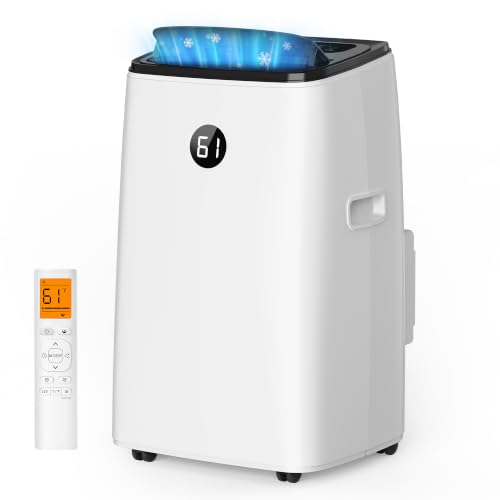
Portable Indoor Air Conditioner No Exhaust
Understand how no-exhaust indoor cooling works, what it can realistically cool, and how to choose a ventless unit for rooms where a window hose is not an option.
START READINGQuick answer: A true no-exhaust indoor portable AC uses evaporative or thermoelectric cooling and does not route hot air through a hose. These units provide modest cooling and suit small rooms, dry climates, and spot cooling. Compressor-based portable ACs almost always need an exhaust path, so verify the cooling method before you buy a product marketed as "ventless."
What "No Exhaust" Really Means
The phrase "no exhaust" is used loosely in the portable cooling market. Before you buy, it helps to separate genuinely ventless designs from units that simply ship without a window kit.
- True ventless units: These use evaporative cooling or thermoelectric cooling. No hot air is routed outside. The unit may add humidity to the room or produce only mild spot cooling.
- Compressor units marketed as ventless: These have a refrigerant compressor and a hose. They need an exhaust path. If the product listing mentions a hose, a window kit, or a refrigerant type, treat it as vented.
- Hybrid or low-exhaust units: Some designs reduce exhaust volume but still require a small vent. Check the specification carefully.
For a broader look at ventless cooling, review our guide to a portable air conditioner that does not require venting and the related portable AC unit that doesn't require venting page.
How No-Exhaust Units Compare
The table below compares the main no-exhaust approaches with a standard vented portable AC so you can match the technology to your room and climate.
| Type | Cooling Method | Best For | Key Limitation |
|---|---|---|---|
| Evaporative cooler | Water evaporation | Dry climates, open spaces, garages | Adds humidity; less effective in muggy air |
| Thermoelectric unit | Solid-state heat pump | Spot cooling, small bedrooms, home offices | Modest cooling capacity |
| Vented compressor portable AC | Refrigerant compressor + exhaust hose | Humid climates, larger rooms, whole-room cooling | Requires window or wall exhaust path |
Who Should Consider a No-Exhaust Indoor AC
No-exhaust cooling is a practical fit for specific situations. You are likely a good candidate if your space matches one or more of the following:
- You live in a dry climate where evaporative cooling is effective and humidity is not a comfort problem.
- Your room has no usable window, such as a basement, interior office, or converted storage area. See our guide to a portable AC unit for a room without windows.
- You need supplemental spot cooling rather than whole-room temperature control.
- You rent and cannot modify the building envelope with a window kit or wall sleeve.
- You want a secondary cooling option for a bedroom or home office during shoulder seasons.
If your space is large, humid, or needs consistent whole-room cooling, a vented compressor unit is usually the better path. Review the portable air conditioner guide for the general buying framework.
How to Choose the Right No-Exhaust Unit
Shopping for a no-exhaust portable AC comes down to matching technology, capacity, and room conditions. Work through these steps in order.
1. Confirm the Cooling Technology
Check the product specification for "evaporative," "thermoelectric," or "compressor." A compressor unit labeled as ventless is a red flag. If the listing mentions a refrigerant type and an exhaust hose, it needs venting. For a closer look at the compressor-free category, review our breakdown of portable air conditioner without a window vent.
2. Match Capacity to Room Size
No-exhaust units are typically rated for smaller spaces than vented compressor models. An evaporative cooler may serve a garage or open-plan area, while a thermoelectric unit is usually best for a desk or bedside zone. For very small spaces, see our guide to a portable air conditioner for a very small room.
3. Check Humidity Handling
Evaporative coolers add moisture to the air. In a dry climate that is a benefit, but in a humid room it can make the space feel clammy. If humidity is a concern, review the options for a portable air conditioner for humid climates instead.
4. Plan for Drainage and Water Refills
Evaporative units need a water tank refill and often a drain. Thermoelectric units produce condensate that must be managed. Look for a portable air conditioner with a self-evaporating system if you want to minimize manual draining. For low-maintenance options, see the portable air conditioner with no drain required guide.
5. Consider Noise and Placement
No-exhaust units are compact and easy to move, but fan noise varies widely. If the unit will sit near a bed or desk, prioritize a model with a low-noise fan setting. A portable air conditioner on wheels makes it easier to reposition between rooms.
6. Decide on Smart Features
Wi-Fi control, programmable timers, and remote operation are useful for units placed in hard-to-reach spots. A portable air conditioner with Wi-Fi control lets you schedule cooling without crossing the room.
Tier Guide: Matching Features to Your Needs
No-exhaust indoor units fall into broad market tiers. Use this framework to set expectations rather than relying on a single specification.
- Entry-level tier: Basic evaporative or thermoelectric cooling, manual controls, simple water tank. Best for occasional spot cooling in a small, dry room.
- Mid-range tier: Improved fan design, remote control, larger tank, and better airflow. A solid choice for a bedroom or home office.
- High-end tier: Quieter operation, smart controls, self-evaporating condensate management, and more refined airflow direction. Suited to daily use in a primary living space.
- Top-tier / premium: Feature-rich for the category, with advanced scheduling, humidity sensing, and premium materials. A worthwhile investment if the unit will run frequently.
For a broader view of compact cooling options, browse our full section on portable AC units.
Common Mistakes to Avoid
- Expecting whole-home cooling: No-exhaust units are space coolers, not central replacements. Set expectations around a single room or zone.
- Ignoring humidity: Evaporative cooling in a damp room can feel worse than no cooling at all. Match the technology to the climate.
- Skipping the exhaust check: Verify that a "ventless" claim is accurate. A compressor unit without an exhaust path will underperform and may overheat.
- Placing the unit in a sealed closet: Even no-exhaust units need airflow. Keep clearance around intake and exhaust grilles.
- Overlooking maintenance: Water pads, tanks, and filters need regular cleaning. A neglected evaporative cooler can develop odors and lose efficiency.
Frequently Asked Questions
Is there really a portable indoor air conditioner with no exhaust?
Yes, but with an important caveat. True ventless indoor units use evaporative or thermoelectric cooling and do not route hot air through a hose. Compressor-based portable ACs almost always need an exhaust path. Some products labeled as ventless still require a small vent, so confirm the cooling method before buying.
How well does a no-exhaust portable AC cool a room?
Ventless units provide modest cooling compared to compressor-based vented models. Evaporative coolers work well in dry climates and add humidity to the air. Thermoelectric units provide mild spot cooling. Neither is a substitute for a full air conditioner in a hot, humid, or sealed room.
Can I use a no-exhaust portable AC in a sealed room?
It depends on the unit. Evaporative coolers need airflow to work effectively, so a sealed room limits their performance. Thermoelectric units can operate in a sealed room but produce modest cooling. For any no-exhaust unit, keep the room ventilated enough to manage humidity and stale air.
How is a no-exhaust unit different from a swamp cooler?
Often, they are the same thing. Many no-exhaust units are evaporative coolers that use water evaporation to cool the air. Some thermoelectric models are also sold as no-exhaust. The key distinction is whether the unit uses a refrigerant compressor, which almost always requires venting.
What if my room has no window at all?
If the room has no opening at all, a true ventless unit is the simplest option. Review the portable air conditioner for a room with no window guide for the full set of options, including ductless mini-split alternatives.
Ready to Explore No-Exhaust Cooling Options?
Review our curated selection of portable indoor air conditioners with no exhaust requirements and compare features side by side.
VIEW PRODUCTS