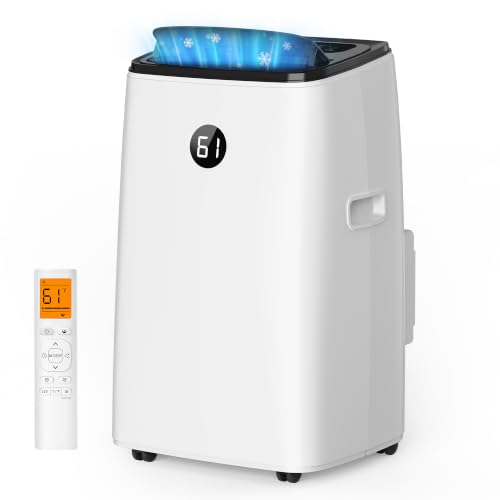
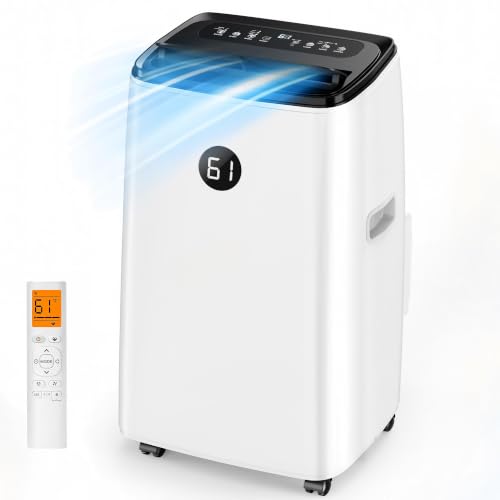
Portable Air Conditioner with Self Evaporating System: Complete Guide
Understand how self evaporating technology reduces manual draining, when the tank still needs attention, and how to choose a unit that fits your climate and room.
Explore Top PicksQuick Answer: A portable air conditioner with self evaporating system recycles condensation water by spraying it onto the hot condenser coil, where it evaporates and exits with the exhaust air. This design drastically reduces how often you empty a water tank, but it does not make the unit completely drain-free in very humid conditions.
How a Self Evaporating System Works
A standard portable AC collects condensation in a tank or drains it through a hose. A self evaporating model takes a different approach. Instead of sending condensate straight to a tank, it captures the water and sprays it onto the hot condenser coil. Because the coil is hot, the water evaporates quickly, and the resulting vapor is pushed out through the exhaust hose along with the hot air.
This process delivers two benefits:
- Less manual maintenance: You do not need to empty a tank every few hours in normal conditions.
- Improved condenser efficiency: Evaporating water absorbs heat from the coil, which helps the unit reject heat more effectively.
The system is sometimes marketed as a "no drain" or "self-evaporative" design. It is important to understand the limits: in high humidity, or when the unit runs continuously for many hours, the condensate can exceed what the unit can evaporate. Most models include an overflow tank or a drain port for these situations. For a broader explanation of how condensate is managed, see portable air conditioner without drain hose.
Important Distinction
Self evaporating does not mean condensation disappears entirely. It means the unit handles most of the water internally during normal operation. In humid climates, a backup drain port is still a practical feature to look for.
When Draining Is Still Needed
Self evaporating technology is effective, but it has physical limits. Draining is still required in the following situations:
- High humidity: In coastal or tropical climates, the air contains more moisture, and the unit may produce condensate faster than it can evaporate.
- Continuous operation: Running the unit for many hours without a break can fill the internal reservoir even in moderate humidity.
- Low compressor load: When the room is already cool and the compressor cycles less, the condenser coil is not hot enough to evaporate water quickly.
- Older or entry-level models: Some starter-tier units advertise self evaporation but rely on a small tray that fills quickly. Mid-range and premium models typically have more robust systems.
If you want to minimize draining entirely, look for a unit with a large internal reservoir and a continuous drain option. The guide on portable air conditioner you don't have to drain covers models designed for minimal maintenance, while portable air conditioner no drain required explains how continuous drain setups work.
Key Features to Evaluate
Condensate Recycling Design
Look for a unit that explicitly sprays condensate onto the condenser coil. This is the core of a true self evaporating system.
Backup Drain Port
Even self evaporating models should have a drain port for high-humidity days or continuous operation.
Overflow Protection
A float switch or automatic shutoff prevents water damage if the internal tank reaches capacity.
Humidity Sensor
Some models adjust fan speed and compressor load based on humidity, which helps balance condensate production.
Dual-Hose Design
Dual-hose units separate intake and exhaust, improving efficiency and reducing negative pressure in sealed rooms.
Inverter Compressor
Inverter technology modulates compressor speed, which can reduce condensate spikes and improve temperature stability.
If you are comparing compressor technologies, the portable air conditioner with inverter technology guide explains how inverter models differ from fixed-speed units. For rooms that also need heating, a portable air conditioner with heater and dehumidifier combines multiple functions in one chassis.
Climate and Room Considerations
Humid Climates
In humid regions, a self evaporating system is helpful but not a complete solution. The unit will still produce more condensate than it can evaporate during peak humidity. A portable air conditioner for humid climates should have a large reservoir, a reliable overflow switch, and a drain port for continuous operation.
High Humidity Rooms
Basements, laundry rooms, and kitchens generate extra moisture. A portable air conditioner for high humidity needs stronger dehumidification and a system that can handle continuous condensate. Self evaporation helps, but a continuous drain hose is often the more reliable long-term setup.
Bedrooms and Small Rooms
For bedrooms, the main advantage of self evaporation is convenience: no midnight tank emptying. A portable air conditioning unit for bedroom with a self evaporating design and a quiet sleep mode is a practical combination. For very small rooms, the portable air conditioner for very small room guide covers sizing and placement.
Rooms Without Windows
Self evaporation does not change the venting requirement. The unit still needs an exhaust path. If the room has no window, a portable air conditioner stand up windowless setup with a wall sleeve or sliding-door kit is the practical route. The portable air conditioner for room with no window guide explains the options in detail.
Self Evaporating vs. Standard Portable AC
| Feature | Self Evaporating Model | Standard Model | Best For |
|---|---|---|---|
| Condensate handling | Recycles water onto condenser coil | Collects water in tank or drains via hose | Low-maintenance operation |
| Manual draining frequency | Reduced in normal conditions | Frequent in humid conditions | Bedrooms and offices |
| Backup drain port | Usually included | Standard feature | High-humidity climates |
| Condenser efficiency | Improved by evaporative cooling | Standard | Hot climates |
| Tier positioning | mid-range to top-tier | entry-level to mid-range | Varies by use case |
If you want a unit that requires the least possible intervention, a self evaporating model paired with a continuous drain hose is the most hands-off configuration. The portable air conditioner that doesn't need draining page explains how continuous drain setups work in practice.
Maintenance Tips for Self Evaporating Units
- Clean the air filter every two weeks: Restricted airflow reduces cooling and can cause the evaporator coil to freeze, which increases condensate.
- Inspect the drain port seasonally: Even if you rarely use it, the port should be clear and the cap should seal properly.
- Check the overflow switch: Test the float switch by gently lifting it to confirm the unit shuts off when the reservoir is full.
- Clean the condenser coil annually: Dust and lint reduce heat rejection, which in turn reduces the self evaporation rate.
- Monitor performance in peak humidity: If the unit shuts off unexpectedly, the reservoir may be full. Drain it and resume operation.
If cooling performance drops, the portable air conditioner not cooling enough guide covers the most common causes, including airflow restrictions and condensate issues.
Ready to Compare Self Evaporating Portable AC Options?
Explore units with condensate recycling, backup drain ports, and overflow protection — designed for low-maintenance cooling in bedrooms, offices, and living spaces.
View Recommended ModelsFrequently Asked Questions
What does a self evaporating system do in a portable air conditioner?
It recycles condensation water by spraying it onto the hot condenser coil, where it evaporates and is exhausted with the hot air. This reduces how often you need to empty the internal tank, though it does not eliminate draining in very humid conditions.
Does a self evaporating portable AC ever need draining?
Yes. In high humidity or during continuous operation, the condensate can exceed what the unit can evaporate. Most models include an overflow tank or drain port, and the unit will shut off or alert you when the reservoir is full.
Is a self evaporating portable AC better than a standard model?
It reduces manual maintenance and is more convenient for bedrooms and offices. Cooling performance is similar, but the self evaporating design uses condensate to improve condenser efficiency, which is a practical advantage in hot climates.
Can I use a self evaporating portable AC in a very humid room?
Yes, but you should expect to use the backup drain port more often. In high-humidity rooms, a continuous drain hose is the more reliable setup. Look for a model with a large reservoir and a dependable overflow switch.
Does self evaporation affect cooling performance?
It can improve performance slightly because evaporating water absorbs heat from the condenser coil, helping the unit reject heat more effectively. The main benefit, however, is reduced maintenance rather than a large jump in cooling capacity.
What should I look for in a self evaporating portable AC?
Look for a unit that explicitly states it sprays condensate onto the condenser coil, includes a backup drain port, and has an overflow protection switch. Dual-hose design and inverter technology are additional features that improve efficiency and temperature stability.