Mini Split Price Guide: What to Expect for Every Tier
A ductless mini split is a significant purchase, and the numbers vary widely depending on capacity, features, and installation. This guide explains the tiers, the drivers behind them, and how to compare systems without getting lost in spreadsheets.
Start UnderstandingWhat Determines a Mini Split's Position in the Market
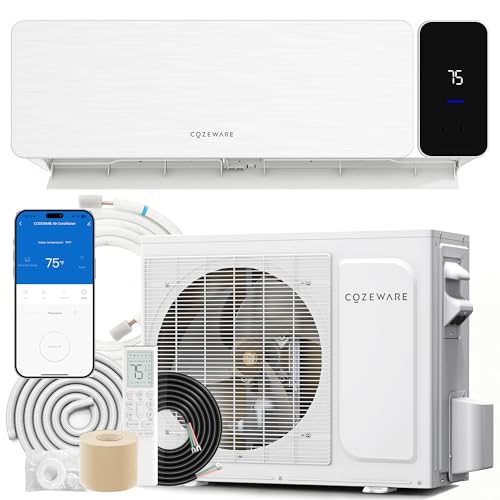
A mini split system is composed of two main parts: an outdoor condenser unit and one or more indoor air handlers. The outdoor unit houses the compressor and condenser coil; the indoor unit houses the evaporator coil and blower. Refrigerant lines and a power cable connect them through a small wall penetration, which is why mini splits are often called ductless systems.
The overall position of a system in the market is set by a combination of factors rather than a single number:
- Cooling capacity — measured in BTU per hour. Small single-zone systems sit at the entry end, while multi-zone systems serving several rooms sit at the top.
- Efficiency rating — SEER2 values for cooling and HSPF2 values for heating. Higher ratings generally mean a higher-tier system, though the relationship is not perfectly linear.
- Number of zones — a single-zone system for one room is simpler than a multi-zone system serving three or four rooms.
- Features — inverter compressors, variable-speed blowers, Wi-Fi control, heat pump capability, and filtration upgrades all shift a system into a higher tier.
- Installation complexity — line set length, wall type, electrical work, and permitting all affect the installed position.
For a broader look at how mini splits compare to other ductless options, see our guide to the pros and cons of ductless air conditioning.
The Three Common Tiers at a Glance
Rather than sorting systems by numeric figures, it helps to think in tiers. The three tiers below cover the vast majority of residential mini split systems on the market.
Entry-Level Tier
- Single-zone systems
- Standard efficiency ratings
- Fixed-speed or basic inverter compressors
- Basic remote control
- Cooling-only or simple heat pump function
- Best for: a single bedroom or small office
Mid-Range Tier
- Single-zone or small multi-zone systems
- Higher efficiency ratings
- Full inverter compressors
- Wi-Fi and app control
- Heat pump capability with cold-climate ratings
- Best for: primary living spaces and small homes
Premium Tier
- Multi-zone systems (three or more indoor units)
- Top-tier efficiency ratings
- Advanced inverter and variable-speed blowers
- Smart home integration and advanced filtration
- Cold-climate heat pump performance
- Best for: whole-home ductless retrofits and high-performance homes
What Drives the Tier Up or Down
Within each tier, a handful of factors move a system toward the upper or lower end of its class. Understanding them helps you evaluate whether a specific quote makes sense for your situation.
Capacity and Zones
A single-zone system serving one room is the simplest configuration. Each additional zone adds an indoor air handler, more refrigerant lines, and more installation work. Multi-zone systems sit in the mid-range and premium tiers because the outdoor unit must be sized to handle the combined load of every connected indoor unit.
Efficiency Rating
Higher SEER2 and HSPF2 ratings generally correspond to more advanced compressors and heat exchangers. A top-tier efficiency system can sit noticeably above a standard-efficiency system of the same capacity. The gap is usually justified by lower long-term energy use, but the trade-off depends on how heavily the system will run.
Heat Pump Capability
Many mini splits are heat pumps, meaning they can heat as well as cool. Cold-climate heat pumps, designed to operate efficiently at low outdoor temperatures, sit in the mid-range and premium tiers. If heating is part of your plan, factor that into the comparison rather than treating the system as cooling-only.
Installation Complexity
Line set length, wall construction, electrical work, and permitting all affect the installed position. A straightforward install through a wood-frame wall with an existing electrical circuit is simpler than a long line set run through masonry or a new dedicated circuit. Our guide to refrigerant line set length explains why line length matters for performance as well as installation.
Features and Controls
Wi-Fi control, smart home integration, advanced filtration, and multi-speed blowers all shift a system into a higher tier. These features are genuinely useful for some buyers and largely irrelevant for others, so weigh them against how you will actually use the system.
Tier Comparison Table
The table below summarizes the three tiers across the factors that matter most. Tier labels are used instead of numeric figures so the comparison stays useful over time.
| Tier | Typical Configuration | Efficiency | Best For |
|---|---|---|---|
| Entry-Level | Single-zone, one indoor unit | Standard efficiency ratings | A single bedroom, home office, or small addition |
| Mid-Range | Single-zone or small multi-zone | Higher efficiency, full inverter | Primary living spaces, small homes, cold-climate heating |
| Premium | Multi-zone, three or more indoor units | Top-tier efficiency, advanced controls | Whole-home ductless retrofits, high-performance homes |
For buyers comparing a mini split to a portable unit, our guide to portable mini-splits covers where the two overlap and where they diverge. If the space is very small, a portable miniature air conditioner may be the right scope instead of a full mini split.
Installation Considerations That Affect the Tier
Installation is a large part of the overall picture and varies significantly by home. The main variables:
- Line set length and routing — a short, direct run is simpler than a long run through multiple rooms or masonry.
- Electrical work — a new dedicated circuit adds complexity; an existing circuit may already be suitable.
- Wall penetration — wood-frame walls are straightforward; brick, stone, or concrete require more work.
- Permitting — local requirements vary. Our guide to how to get an AC permit walks through the general process.
- Condensate drainage — indoor units produce condensate that must be routed outside or to a drain.
Because installation is such a large part of the picture, it is worth getting quotes from more than one contractor and asking each to break down the work. Our guide on how to choose an HVAC contractor and how to get an installation quote covers what to ask.
Efficiency and Long-Term Value
A higher-tier system often costs more upfront but can be a worthwhile investment over the life of the unit. The relevant question is not whether a premium system is better in the abstract, but whether the efficiency and features justify the step up for your usage pattern.
Three factors usually decide it:
- How many hours per year the system will run. A system used daily through a long cooling season benefits more from high efficiency than one used occasionally.
- Whether heating is included. A cold-climate heat pump that handles winter heating changes the value calculation compared to a cooling-only system.
- How many rooms the system serves. A multi-zone system is a larger investment, but it can replace multiple window or portable units, which changes the comparison.
For a broader view of efficiency ratings, see our guide to SEER vs SEER2 under current DOE standards and the inverter AC explainer. If you are comparing a mini split to a central system, our guide to replacement HVAC system cost provides useful context, and residential air conditioning frames where ductless systems fit.
Common Buying Mistakes to Avoid
Most dissatisfaction with a mini split purchase traces back to a mismatch between the system and the home, or to incomplete installation planning. The recurring mistakes:
- Choosing capacity by square footage alone. Sun exposure, insulation, and ceiling height all matter. Our guide on how to size an air conditioner covers the variables.
- Ignoring line set length. A long or poorly routed line set affects both performance and installation complexity.
- Skipping the electrical check. A new dedicated circuit is a real part of the project. Our guide to checking your home electrical panel is a useful first step.
- Not planning for condensate drainage. Indoor units produce condensate that must go somewhere.
- Buying at the top tier without a clear reason. Premium systems are worthwhile when their efficiency and features match your usage; they are overkill when they do not.
If your project involves replacing an existing system, our guide to replacing an air conditioner covers the sequencing.
Who Should Choose Each Tier
Entry-level tier: A single room that needs cooling — a bedroom, home office, or addition — where a straightforward install is possible and the system will not run year-round.
Mid-range tier: A primary living space or small home where the system will run regularly, especially if heating is part of the plan. This is where most buyers land, and it is where the balance of efficiency, features, and installation complexity is usually easiest to justify.
Premium tier: A whole-home ductless retrofit, a high-performance home, or a situation where multiple rooms need individual temperature control. The investment is larger, but the system is designed to serve the entire home rather than one room.
If your situation leans toward portable cooling instead of a permanent installation, our guide to portable indoor air conditioning units is a useful complement.
Frequently Asked Questions
Why does a mini split's position in the market vary so much?
Because a mini split is a system, not a single appliance. Capacity, number of zones, efficiency rating, heat pump capability, and installation complexity all contribute. Two systems with the same cooling capacity can sit in different tiers if one is a single-zone standard-efficiency unit and the other is a multi-zone cold-climate heat pump with smart controls.
Is a higher-efficiency mini split always the better choice?
Not automatically. A higher-efficiency system is a worthwhile investment when the unit will run frequently and over many years. For occasional use in a single room, a standard-efficiency system in the entry-level tier can be the more sensible choice for its tier.
Does installation add much to a mini split's tier?
Installation can shift the overall position of a project significantly. Line set length, wall construction, electrical work, and permitting all vary by home. Two identical systems installed in different homes can end up at different overall positions in the market because of installation variables.
Can a mini split replace central air conditioning?
In many homes, yes — especially older homes without ductwork. A multi-zone system in the premium tier can serve multiple rooms with individual temperature control. For a full comparison, our guide to residential air conditioning is a useful starting point.
What should I check before requesting quotes?
Measure the rooms to be served, note the window and wall construction, confirm the electrical panel has capacity, and decide whether heating is part of the plan. Having those answers ready makes contractor conversations more productive.
How do I compare a mini split to a portable or window unit?
A mini split is a permanent installation with better efficiency and quieter operation than most portable or window units. The trade-off is installation complexity and a higher overall position in the market. Our guide to portable vs window AC covers the comparison for those two formats.
Do mini splits need regular maintenance?
Yes. Filters need cleaning, coils need periodic care, and the outdoor unit needs clear airflow. Our preventive maintenance guide and seasonal AC checklist cover the routines.
Is a multi-zone system always better than several single-zone systems?
Not always. A single multi-zone system is often cleaner to install and easier to manage centrally, but it also concentrates the installation in one outdoor unit. Several single-zone systems can be simpler to phase in over time, though they take up more outdoor space. The right choice depends on the home and the project timeline.