Central Air Conditioning Units: Understanding System Tiers and Value
A whole-home cooling system is a long-term decision. Learn how central AC units are classified, what efficiency ratings actually mean, how sizing works, and which factors separate an entry-level system from a top-tier installation.
Explore the Buying PathWhy this page exists: Homeowners researching central air conditioning usually want to compare options without guessing at numbers that shift every season. This guide focuses on tiers, features, efficiency, and installation scope so you can evaluate any quote or product listing on its merits rather than on headline claims.
What Makes Up a Central Air Conditioning System
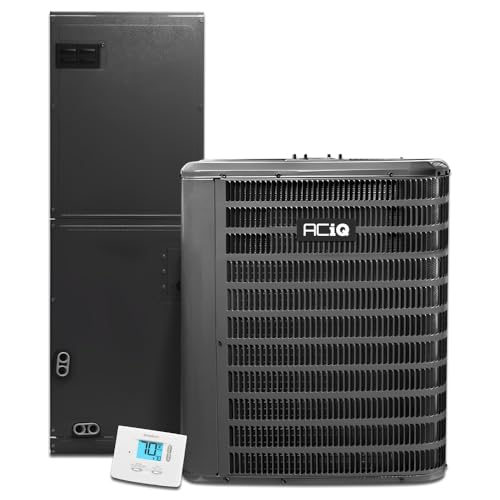
A central air conditioner is not a single appliance. It is a system of components that work together to cool an entire home through ductwork. Understanding the parts clarifies what is actually being compared when two quotes look similar on paper.
- Outdoor condenser unit: houses the compressor and condenser coil. This is the piece most people picture when they say “central AC unit.”
- Indoor evaporator coil or air handler: sits in the duct system or a closet and absorbs heat from the air moving through it.
- Ductwork and registers: distributes conditioned air to each room and returns air to the system.
- Refrigerant line set: connects the indoor and outdoor sections.
- Thermostat and controls: set temperature, schedule, and sometimes zone behavior.
- Electrical and condensate management: disconnect, breaker, drain line, and sometimes a condensate pump.
Replacement projects vary by scope. Some include a new condenser and matching indoor coil, while others add a new air handler, thermostat, or duct modifications. The HVAC system replacement overview explains how scope differences translate into different project outcomes.
Central AC Tiers: Entry, Mid-Range, and High-End
Rather than comparing numbers that shift each season, it is more useful to compare systems by their market position. The tier framework below uses universal descriptors that remain valid regardless of geography or year.
Essential Cooling
Single-stage compressors and standard efficiency. Covers baseline cooling needs and meets minimum standards. A solid choice for mild climates and budget-conscious replacements.
Balanced Performance
Two-stage compressors or high-efficiency single-stage. Quieter operation, better humidity control, and stronger efficiency ratings. Fits most single-family homes well.
Variable-Speed Comfort
Variable-speed or inverter-driven compressors. Superior temperature stability, lowest operating sound, and top efficiency. Best for long-term investments and demanding climates.
The differences between tiers show up in more than just the efficiency label. Mid-range units typically run quieter and hold indoor humidity better than entry-level systems, while high-end systems extend that advantage further with smoother capacity modulation and quieter outdoor operation. The SEER vs SEER2 explainer walks through how efficiency is measured under current standards.
Comparing Tiers at a Glance
| Tier | Compressor Type | Best For | Comfort Profile |
|---|---|---|---|
| Entry-level | Single-stage | Basic whole-home cooling, mild climates, simple replacement | Noticeable temperature swings; louder outdoor operation |
| Mid-range | Two-stage or high-efficiency single-stage | Family homes, humid climates, quieter operation | Improved humidity control; steadier indoor temperature |
| High-end | Variable-speed or inverter | Long-term ownership, hot and humid climates, premium comfort | Very stable temperatures; lowest sound; best efficiency |
If you are also considering ductless options, the pros and cons of ductless air conditioning provide a useful contrast. Ductless systems can serve homes without ducts, while central systems rely on an existing distribution network.
Sizing a Central Air Conditioner
Sizing is the single most important technical decision in a central AC project. An undersized system runs continuously and struggles on peak days. An oversized system cools quickly but short-cycles, which hurts humidity control and puts extra wear on the compressor.
| Home Size | Typical Capacity Range | Notes |
|---|---|---|
| Up to 1,200 sq ft | 1.5 to 2 tons | Small single-family homes and condos |
| 1,200 to 1,800 sq ft | 2 to 3 tons | Most standard single-family homes |
| 1,800 to 2,500 sq ft | 3 to 4 tons | Larger homes or homes with vaulted ceilings |
| 2,500 to 3,500 sq ft | 4 to 5 tons | Large homes; zoning may improve comfort |
| 3,500 sq ft and up | 5 tons or multiple systems | Often better served by two systems or zoning |
A professional load calculation accounts for insulation, window area, ceiling height, climate, and occupancy. The Manual J load calculation guide explains why this step should precede any product comparison.
Not sure what capacity your home needs?
The load calculation and sizing guides provide a reliable starting point before you compare specific units.
Review Sizing FundamentalsEfficiency Ratings Explained
Efficiency is where tier differences are most visible on paper. Three ratings matter for central AC buyers.
- SEER2: seasonal cooling efficiency under DOE standards. Higher ratings indicate more efficient operation across a season.
- EER2: efficiency at a specific peak-load condition. Useful for buyers in consistently hot climates.
- HSPF2: heating efficiency for heat pump systems. Relevant if the system will carry you through cool months.
Higher efficiency tiers also tend to come with quieter operation and better humidity management, so the benefit is not purely about energy use. Entry-level systems meet minimum standards; mid-range systems improve on them meaningfully; high-end systems push efficiency and comfort further.
Installation Factors That Affect the Project
Two central AC projects with similar equipment lists can end very differently because installation scope varies widely. The following factors influence what a project includes and how well the system performs after installation.
- Condition of existing ductwork and whether sealing or resizing is required
- Electrical panel capacity and whether a new circuit is needed
- Location of the outdoor condenser and clearance from walls and shrubs
- Line-set length and refrigerant charge requirements
- Thermostat upgrade and compatibility with smart controls
- Condensate drainage route and whether a pump is required
- Permits and code requirements in your jurisdiction
- Warranty registration and whether the installer is factory-authorized
The installation breakdown overview describes how each of these elements contributes to the overall project. A high-end unit installed poorly can underperform a mid-range unit installed correctly, so contractor selection matters as much as product tier.
Repair or Replace?
Homeowners often face this question when an older system starts needing frequent service. The answer depends on age, efficiency gap, refrigerant type, and the cost of the next repair relative to the value of a new system.
| Situation | Usually Favor Repair | Usually Favor Replacement |
|---|---|---|
| System age | Under 10 years old | 15 years or older |
| Efficiency gap | Efficiency close to current mid-range | Efficiency well below current standards |
| Repair frequency | First major repair | Repeated repairs within a few seasons |
| Refrigerant type | Current refrigerant readily available | Legacy refrigerant being phased out |
| Comfort issues | Comfort generally acceptable | Persistent hot rooms or humidity problems |
The replacing an air conditioner and new central AC overview guides explain how to compare scenarios. For homes facing compressor issues specifically, the compressor overview covers how that component fits into the wider decision.
Features Worth Prioritizing
Variable-Speed Compressor
Provides the smoothest temperature control and quietest operation. The defining feature of high-end tiers.
Two-Stage Operation
A mid-range hallmark. Runs at a lower capacity most of the time for better humidity control and steadier comfort.
Smart Thermostat Compatibility
Supports scheduling, remote access, and integration with other smart home systems.
Zoning Ready
Enables independent temperature control across different areas of the home when paired with dampers and a zone panel.
Coil Protection
Advanced coil coatings extend lifespan in coastal or humid environments.
Quiet Outdoor Operation
Sound ratings vary by tier. High-end units are noticeably quieter next to patios and bedroom windows.
Maintenance and Longevity
Central systems respond well to routine care. A simple annual and seasonal routine protects efficiency and extends service life regardless of tier.
- Replace or clean air filters every one to three months during heavy use.
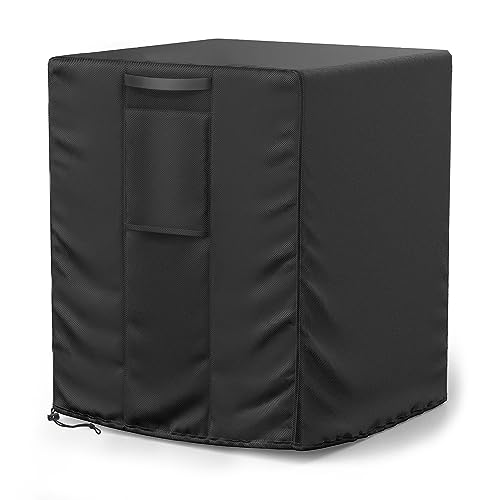
- Keep the outdoor condenser clear of leaves, pollen, and debris.
- Check the condensate drain line for slow drainage or clogs.
- Schedule a professional tune-up each cooling season.
- Inspect ductwork for leaks and disconnected sections periodically.
- Consider shade for the outdoor unit without blocking airflow.
The seasonal AC checklist covers a more detailed pre-season walk-through. Preventive maintenance is far more straightforward than reactive repair, and it helps a central system hold its rated efficiency over its full service life.
A Practical Buying Path
- Get a load calculation. Confirm the required capacity before comparing products.
- Inspect existing ductwork. Decide whether sealing or modification is part of the scope.
- Choose a tier. Match entry, mid-range, or high-end to your climate, comfort expectations, and long-term plans.
- Compare features within the tier. Focus on compressor type, sound, controls, and humidity performance.
- Verify installation scope. Confirm exactly what is included in the quote.
- Check warranty and service support. Confirm the installer is authorized and the warranty registers correctly.
- Plan for maintenance. A maintenance agreement or self-managed schedule extends system life.
Homeowners comparing whole-home systems often benefit from understanding how a single-room ductless system differs. The mini-split overview covers ductless trade-offs, while the residential air conditioning reference provides broader context on system types.
Frequently Asked Questions
How many tiers of central air conditioning units are there?
Three main tiers — entry-level, mid-range, and high-end — separated by compressor type, efficiency, sound levels, and control features.
What size central AC unit does a typical home need?
Most single-family homes fall between 2 and 5 tons. A professional load calculation is the most reliable way to size a system for your home.
What does SEER2 mean for a central air conditioner?
SEER2 is the current seasonal efficiency metric. Higher ratings indicate more efficient cooling across a typical season.
Does a central AC replacement include the air handler and ductwork?
Typically the condenser and indoor coil or air handler are included. Ductwork is usually inspected rather than replaced unless damage or sizing issues require it.
How long does a central air conditioning system last?
With proper installation and maintenance, most systems last 12 to 20 years. Higher tiers with premium components often reach the upper end of that range.
Ready to compare specific central AC options?
The recommendation section below highlights central air conditioning units across tiers so you can match features and efficiency to your home.
View Recommended Models