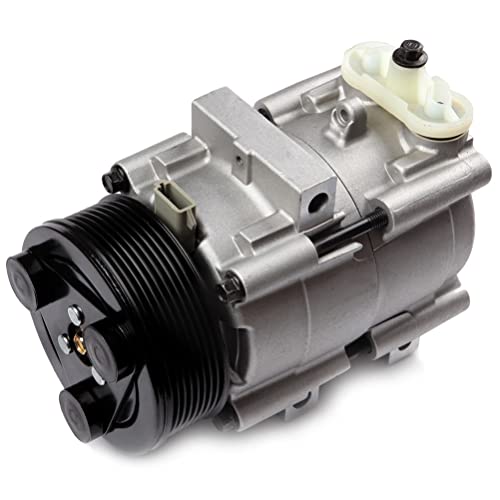
Compressor for AC Unit: Replacement Guide and Tier Comparison
Everything homeowners need to know before servicing or replacing an AC compressor — what drives the outlay, how tiers differ, and how to decide between repair and replacement.
Why this guide matters: The compressor is the single most important mechanical component of any air conditioning system. When it fails, the decision to repair or replace is rarely straightforward. This guide explains the factors that shape compressor replacement outlay, how compressors are classified by tier, and how to choose the right path for your specific situation — before you contact a contractor.
What the Compressor Does in an AC System
The compressor is the heart of the refrigeration cycle. It draws low-pressure refrigerant vapor from the evaporator coil and compresses it into a high-pressure, high-temperature gas, then pushes it into the condenser coil where heat is released outdoors. Without a functioning compressor, the system can move air but cannot cool it.
Because the compressor operates continuously during cooling cycles and is the highest-draw electrical component in most residential systems, its condition determines both cooling performance and the long-term viability of the entire unit. When compressors fail, they typically fail for identifiable reasons — and understanding those reasons is essential to making a sound replacement decision.
Common Reasons a Compressor Fails
Compressor failure is rarely random. In most cases, one or more of the following conditions is present:
- Loss of refrigerant charge, which causes the compressor to overheat while running dry.
- Electrical failure — a failed capacitor, contactor, or burnt winding.
- Mechanical seizure due to age, oil breakdown, or contamination in the refrigerant circuit.
- Short cycling from oversized systems or faulty thermostats, which wears the compressor prematurely.
- Blocked or restricted suction lines that starve the compressor of refrigerant.
- Poor airflow through the evaporator coil causing liquid refrigerant to return to the compressor (slugging).
When a technician diagnoses a failed compressor, ask them to identify the root cause. Replacing a compressor without correcting the underlying condition typically leads to a second failure. A related issue is a refrigerant leak — see recharging an air conditioner and refilling an AC system for the correct diagnostic sequence. Routine preventive maintenance of the air conditioning unit is the most effective way to reduce compressor failure risk.
What Shapes Compressor Replacement Outlay
The outlay for a compressor replacement is not driven by a single number. It is the combined result of several interconnected factors. Understanding them helps you evaluate contractor quotes with more confidence.
Compressor Capacity and Tier
A higher-capacity compressor costs more to manufacture and install than a lower-capacity one. Similarly, inverter-driven compressors (used in premium and high-end tier systems) cost meaningfully more than single-stage compressors (typical of entry-level and mid-range systems). The tier classification of the compressor is the largest single driver of the replacement outlay.
Refrigerant Type
Older R-22 systems use a refrigerant that is being phased out under EPA regulations, making R-22 harder and more involved to source. Systems using R-410A or newer R-32 and R-454B refrigerants are supported by a more current supply chain. Replacing a compressor in an R-22 system can carry an added regulatory and availability dimension.
Labor Complexity
Compressor replacement involves recovering refrigerant, cutting and brazing refrigerant lines, replacing the filter-drier, evacuating the system, and recharging it. The more complex the system layout — variable-speed drives, multi-zone installations, rooftop placement — the more labor is involved. Labor is typically a significant portion of the overall outlay.
System Age and Remaining Life
Putting a new compressor into a system that is already near the end of its service life is often economically questionable. If the outdoor unit is old enough that the condenser coil, blower, or controls are also due for replacement, a full system replacement is often the more sensible long-term investment.
Warranty Status
If the system is under an active manufacturer warranty, the compressor itself may be covered, leaving only labor and refrigerant to consider. Always check warranty status before authorizing a replacement — it can materially change the decision.
Compressor Tier Comparison
To keep the comparison consistent, we classify compressors into three universal tiers. This framework replaces numerical comparison and reflects the relative position of each compressor type in the market.
| Tier | Compressor Type | Best For | Key Characteristics |
|---|---|---|---|
| Essential Tier | Single-stage scroll or reciprocating | Entry-level window, portable, and basic central systems | Simple operation, on/off cycling, durable construction, most owner involvement in upkeep |
| Balanced Tier | Two-stage scroll | Mid-range central systems and ductless mini-splits | Modulated output, quieter operation, better humidity control, good value for its tier |
| High-End Tier | Inverter-driven variable-speed | Premium central systems and high-efficiency mini-splits | Continuous modulation, quietest operation, highest efficiency, longest projected service life |
The tier of the compressor matters not only for the initial replacement but also for the long-term reliability of the system. A balanced tier two-stage compressor typically offers smoother operation and better dehumidification than an essential tier single-stage compressor, while a high-end tier inverter compressor is the most efficient and quietest option.
Repair vs Replace: How to Decide
Compressor replacement is rarely an isolated decision. In many cases, the more sensible long-term investment is to replace the entire outdoor unit or system rather than the compressor alone. Use the following decision framework.
Lean Toward Repair (Compressor Only)
- System is relatively new and under warranty.
- The failure has a clearly identified, correctable root cause.
- The remaining components are in good condition.
- The refrigerant type is current and well-supported.
- The replacement compressor tier matches the system tier.
- You plan to stay in the home for several more years.
Lean Toward Full System Replacement
- System is old and other components are near end-of-life.
- Refrigerant is R-22 or otherwise phased out.
- Repeated compressor failures indicate a deeper circuit problem.
- Coil, blower, or controls are also failing.
- Energy efficiency of the existing system is below current standards.
- A new system would deliver better long-term efficiency.
For broader context on system replacement economics, see our guides on replacing an air conditioner, replacement HVAC system outlay, and HVAC replacement planning. If your system has a 3-ton capacity, the 3-ton air conditioner compressor and 3-ton air conditioning unit pages add capacity-specific context.
What a Compressor Replacement Process Involves
Knowing the steps helps you evaluate whether a contractor's quote is complete and whether the process is being handled correctly.
- Refrigerant recovery — the old refrigerant must be recovered, not released.
- Electrical disconnection of the compressor from the contactor and capacitor.
- Cutting the refrigerant lines and removing the failed compressor.
- Installing the new compressor and replacing the filter-drier (mandatory on every compressor replacement).
- Brazing the lines with nitrogen purge to prevent oxidation.
- Evacuating the system to remove moisture and non-condensable gases.
- Recharging with the correct refrigerant to the manufacturer's specified charge.
- Verifying superheat and subcooling and confirming the amp draw is within nameplate range.
- Running the system through a full cooling cycle and monitoring for leaks.
A contractor who skips the filter-drier replacement, nitrogen purge, or deep evacuation is cutting corners. These steps exist to prevent repeat failures. A proper installation also includes proper torque on electrical lugs and testing of the run capacitor.
- Do not authorize a compressor replacement without a written diagnosis of the root cause.
- Do not accept a quote that does not include a new filter-drier.
- Do not accept a quote that does not include evacuation and a documented charge verification.
- Do not reuse refrigerant that may be contaminated with acid or debris from the failed compressor.
Protecting the New Compressor After Replacement
A new compressor is a long-term investment, and the way the system is operated afterward determines whether it reaches its expected service life. The following habits make a measurable difference.
- Keep the air filter clean and replace it on schedule — restricted airflow is a leading cause of compressor strain.
- Maintain the outdoor unit with at least two feet of clearance on all sides.
- Do not set the thermostat excessively low; a steady setpoint is gentler on the compressor than frequent large adjustments.
- Schedule a professional seasonal AC checklist before each cooling season.
- Watch for early warning signs — reduced cooling, unusual noise, or frequent cycling — and address them promptly.
- Keep records of the replacement, including compressor brand, model, and serial number, for future warranty claims.
A well-installed compressor with consistent preventive care is typically the most efficient in the long run and the most reliable component in the system.
Related Guides Worth Reading
These pages complement the compressor replacement decision and cover adjacent scenarios that often come up during contractor conversations:
Frequently Asked Questions
What factors determine whether replacing a compressor makes sense?
The key factors are system age, warranty status, refrigerant type, the condition of the other components, and the root cause of the failure. If the system is old, uses a phased-out refrigerant, or shows signs of multiple pending failures, full system replacement is often the more sensible long-term choice.
Why is the compressor the most involved component to replace?
Because it is a hermetically sealed part of the refrigerant circuit. Replacing it requires recovering refrigerant, brazing new lines, replacing the filter-drier, evacuating the system, and recharging it — all tasks that must be performed by a certified technician with proper equipment.
Can I replace a compressor with a different tier?
In most cases, no. The compressor must match the system's design capacity, refrigerant type, and electrical requirements. Upgrading from a single-stage to an inverter compressor requires a compatible inverter board, blower, and controls — which usually means replacing the whole system rather than the compressor alone.
How can I prevent a compressor failure in the first place?
Regular filter replacement, annual professional maintenance, correct refrigerant charge, clean coils, and prompt repair of any cooling issues are the most effective preventive measures. Routine preventive maintenance catches the warning signs before they escalate.
Does a new compressor reset the system's expected service life?
Partially. A new compressor starts its own service clock, but the rest of the system — coils, blower, controls, and ductwork — continues to age. This is why age of the overall system matters when deciding between compressor replacement and full system replacement.
What should I check in a contractor's replacement quote?
Confirm the quote includes refrigerant recovery, a new filter-drier, nitrogen purge, evacuation, a documented charge verification, and a post-installation cooling test. A quote that omits these steps is not a complete compressor replacement, and the resulting failure risk is high.
Disclaimer
Some of the content on this site uses AI assistance. Information is provided for educational purposes only. We are not responsible for any losses resulting from the use of this information. By using this site, you waive any right to bring legal claims against us arising from your use of the information provided. If you do not agree, please do not use this site. Read the full disclaimer.