New Central Air Conditioning Unit: Complete Buyer's Guide
Understand the factors that shape the investment in a whole-home central air system, how tiers differ, what installation involves, and how to evaluate long-term value before you commit.
Explore System TiersWhat This Guide Covers
- What a New Central Air Conditioning Unit Involves
- Factors That Shape the Overall Investment
- System Tiers and What to Expect
- Efficiency Ratings and Long-Term Value
- Installation Scope and What Changes the Project
- Replacement vs First-Time Installation
- Tips for Getting the Most From Your System
- Frequently Asked Questions
What a New Central Air Conditioning Unit Involves
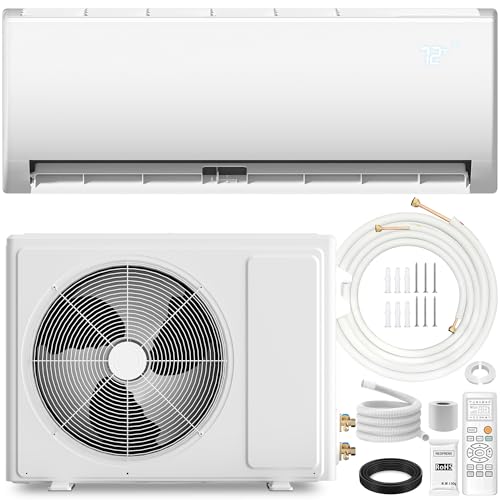
A central air conditioning unit cools an entire home through a network of ductwork. Unlike a room air conditioner, it relies on a split system: an outdoor condenser that releases heat, an indoor evaporator coil mounted on the air handler or furnace, and a blower that pushes cooled air through the ducts into each room. Replacing or installing a new central system is a whole-home project rather than a single-appliance purchase, which is why buyers naturally want to understand the many factors involved before making a decision.
The scope varies widely. A straightforward replacement of an existing system with the same capacity and ductwork is the simplest scenario. A first-time installation in a home without ducts, or a replacement that includes duct sealing, a new thermostat, or electrical upgrades, involves significantly more labor and materials. Understanding which scenario applies to you is the first step toward an informed decision.
If you are comparing a central system against other formats, our guide to residential air conditioning covers the broader landscape, and roof-mounted central air conditioning units explains how placement changes the project.
Key takeaway: Central air systems are sized and specified per home. Two houses of the same square footage can require different equipment based on insulation, window area, sun exposure, and duct condition. A proper load calculation is the foundation of any sound decision.
Factors That Shape the Overall Investment
Buyers researching a new central air conditioning unit quickly discover that the total project is a combination of equipment, labor, and supporting work. The most significant factors include:
System Capacity
The cooling capacity in tons must match the home's calculated load. An oversized unit short-cycles and struggles with humidity, while an undersized unit runs continuously. Capacity is determined by a proper load calculation, not square footage alone.
Efficiency Rating
SEER2 ratings determine how much electricity the system uses per unit of cooling. Higher ratings typically involve premium equipment and can reduce operating expenses over the life of the system, especially in hot climates with long cooling seasons.
Equipment Tier
Entry-level, mid-range, and premium systems differ in compressor type, noise level, filtration, smart controls, and warranty length. Higher tiers usually offer smoother operation and longer coverage but require a larger initial commitment.
Ductwork Condition
Existing ducts may need sealing, repair, or partial replacement. Leaky ducts waste capacity and undermine efficiency. In homes without ducts, adding a full duct system is a major part of the project.
Electrical and Refrigerant Work
New systems may require a dedicated electrical circuit, disconnect, and properly sized wiring. Refrigerant line sets, vacuuming, and charging are skilled tasks that should be handled by a licensed technician.
Thermostat and Controls
A modern programmable or smart thermostat improves comfort and efficiency. Upgrading to a pro HVAC thermostat can be part of the project scope, especially in zoned homes.
Regional differences matter too. Homes in hot, humid climates often need more robust dehumidification and corrosion-resistant equipment, while homes in milder climates can often be well served by mid-range systems. Local building codes and permit requirements also vary and add to the project scope.
System Tiers and What to Expect
Central air systems are commonly grouped into recognizable market tiers. The descriptors below describe relative positioning rather than numeric figures, so they remain useful over time and across regions.
| Tier | Typical Characteristics | Best For |
|---|---|---|
| Entry-level | Single-stage compressor, standard SEER2 rating, basic thermostat compatibility, shorter warranty terms | Mild climates, budget-conscious replacements, homes with modest cooling hours |
| Mid-range | Two-stage or variable-speed compressor, higher SEER2 rating, quieter operation, improved filtration, longer warranties | Most homes in moderate to hot climates, buyers seeking a balanced long-term investment |
| Premium | Fully variable-speed compressor, top-tier SEER2 ratings, very low sound levels, advanced controls, extended compressor warranty | Hot climates, large homes, buyers prioritizing comfort and long-term efficiency |
A mid-range system usually offers a noticeably smoother experience than an entry-level unit, particularly in terms of humidity control and indoor noise. Premium systems are worth considering when the home is large, the cooling season is long, and the owners plan to stay for many years. Our prices for central air conditioning units overview expands on how these tiers compare, and price of a new central air conditioning unit provides additional context for planning.
For homeowners considering alternatives, price of a 3-ton air conditioning unit and price of a mini split explore other capacity and format options. Ductless systems are covered in pros and cons of ductless air conditioning.
Efficiency Ratings and Long-Term Value
Efficiency is one of the most consequential factors in a central air decision. SEER2 replaced SEER as the standard metric under updated DOE rules, and the minimum efficiency allowed varies by region. A higher-rated system uses less electricity per unit of cooling, which translates into lower operating expenses over the life of the equipment.
Whether a higher rating is worthwhile depends on several variables: local electricity rates, how many hours the system runs each year, the home's insulation and air sealing quality, and how long you plan to stay. In hot climates with long cooling seasons, the difference between an entry-level and a premium system can be significant over ten to fifteen years. In milder climates with shorter cooling seasons, the benefit is smaller. Our guide to SEER vs SEER2 DOE standards explains the rating system in detail.
Efficiency also interacts with duct quality. A high-efficiency system connected to leaky ducts will underperform a mid-range system connected to well-sealed ducts. Sealing and insulating ducts is often one of the highest-value improvements in any central air project. See seal air ducts for efficiency for practical guidance.
Installation Scope and What Changes the Project
Installation is where central air projects diverge most. A simple swap of an existing outdoor condenser and indoor coil is relatively contained. A project that includes a new air handler, updated refrigerant lines, electrical upgrades, duct modifications, and a new thermostat involves far more labor and coordination.
Common Installation Components
- Outdoor condenser placement: The pad must be level, with adequate clearance for airflow and service access.
- Indoor coil and air handler: The coil mounts on the furnace or air handler, and the two must be properly matched to the condenser for rated efficiency.
- Refrigerant line set: Length, insulation, and routing all matter. Long runs or improper insulation can reduce performance.
- Condensate management: The drain line needs a continuous slope, and a secondary drain pan or float switch protects against overflow.
- Electrical work: A dedicated circuit, disconnect, and properly sized breaker are required for most systems.
- Ductwork: Existing ducts should be inspected for leaks, obstructions, and proper sizing before the new system is commissioned.
For a comparison of what replacement projects typically look like, replacement HVAC system cost and price for HVAC replacement break down the major components. Homeowners also frequently ask about the broader picture in price of a new central air conditioning unit.
Installation tip: Ask your contractor for a manual J load calculation, a manual S equipment selection summary, and a manual D duct design review. These three documents together form the foundation of a properly specified system.
Replacement vs First-Time Installation
The nature of the project changes significantly depending on whether central air already exists in the home. The table below summarizes the two main scenarios.
| Scenario | Scope | Typical Considerations |
|---|---|---|
| Replacement of existing system | Swap condenser, coil, and often air handler; reuse existing ducts and line set where feasible | Confirm capacity matches current home condition; inspect ducts for leaks; verify line set compatibility with new refrigerant |
| First-time central air installation | Full design and installation of condenser, air handler, ductwork, electrical, and thermostat | Requires a full load calculation, duct design, and often structural coordination; larger overall project scope |
| Replacement with upgrades | Replacement plus duct sealing, new thermostat, or electrical modernization | Best opportunity to improve efficiency and comfort; plan upgrades together to avoid duplicate labor |
If your existing system is failing, our guide to replacing an air conditioner covers the decision process. If a compressor has failed and you are weighing repair versus replacement, price of compressor for AC unit and replace condenser coil cost provide useful comparisons.
Tips for Getting the Most From Your System
Once a system is installed, ongoing care protects the investment. These practices make a measurable difference in comfort, efficiency, and equipment life:
- Change filters regularly: A clogged filter strains the blower and reduces cooling. Check monthly during heavy use.
- Schedule annual servicing: A technician should inspect refrigerant charge, coil cleanliness, drain flow, and electrical connections each year. Our guide to preventive maintenance of air conditioning units covers the full checklist.
- Keep the outdoor unit clear: Trim vegetation and remove debris from around the condenser. Shading the unit can improve efficiency — see shading AC unit for details.
- Use a programmable thermostat: Matching cooling schedules to occupancy reduces runtime without sacrificing comfort. See programmable thermostat for heating and cooling.
- Seal ducts and air leaks: Duct leakage is one of the most common hidden efficiency losses in central systems.
- Follow a seasonal checklist: A short pre-season inspection catches small issues before they become service calls. See seasonal AC checklist.
For homeowners who want a broader picture of equipment comparisons before deciding, price of an air conditioner and price of an AC are useful companion reads, as is self-contained heating and air conditioning units for packaged-system alternatives.
Frequently Asked Questions
What determines the investment level for a new central air conditioning unit?
The main factors are system capacity, efficiency rating, equipment tier, brand positioning, installation complexity, and whether the project includes ductwork changes or a new thermostat. A straightforward replacement of an existing system with the same capacity is the simplest scenario, while adding central air to a home without ductwork involves far more scope.
Is a higher efficiency central air conditioner worth the upgrade?
Higher SEER2 systems use less electricity per unit of cooling and often run quieter. The benefit grows in hot climates and with long cooling seasons. Whether the upgrade pays off depends on local electricity rates, how many hours the system runs each year, and how long you plan to stay in the home.
How long does a central air conditioning unit last?
A well-installed central AC typically lasts 12 to 20 years depending on climate, usage, maintenance quality, and equipment tier. Annual servicing, clean filters, and proper refrigerant charge all extend service life. Premium systems often include longer warranties on the compressor.
Should I replace the furnace and AC at the same time?
If the furnace is nearing the end of its service life, replacing both together often reduces total installation effort and ensures the indoor and outdoor components are properly matched. A mismatched system can reduce efficiency and void certain warranty protections.
How can I compare quotes from different contractors fairly?
Ask each contractor for a written scope that includes the equipment model numbers, load calculation summary, duct inspection findings, warranty terms, and permit responsibilities. Quotes that include a load calculation and a clear equipment match are easier to compare than quotes that list only a headline figure. Our guide to replacing heating and air conditioning systems walks through this process.
Ready to Compare Central Air Conditioning Options?
Review the recommended systems below to see how entry-level, mid-range, and premium central air units differ in efficiency, build, and long-term usability.
View Product Recommendations