Recommended Bedroom Humidity: The Complete Guide to Ideal Sleep Conditions
Learn the ideal humidity range for your bedroom, how moisture levels affect sleep quality and health, and practical ways to control humidity for a healthier, more restful night.
LEARN INDOOR HUMIDITY BASICSWhy bedroom humidity matters: You spend roughly one-third of your life in the bedroom. The humidity level in that room directly influences how well you breathe, how deeply you sleep, and how healthy your indoor environment remains over time. Getting this number right is one of the simplest improvements you can make to your daily wellbeing.
What Is the Recommended Bedroom Humidity?
The recommended bedroom humidity level is generally between 30% and 50%, with 40% to 50% considered the ideal target for most people. This range supports comfortable sleep, healthy skin, and proper respiratory function while keeping dust mites and mold growth in check. It is the same range widely recommended for indoor environments overall, but the bedroom deserves special attention because of the many hours you spend there and because sleep is highly sensitive to environmental conditions.
Humidity is simply the amount of water vapor present in the air. Relative humidity (RH) expresses that moisture as a percentage of the maximum the air can hold at a given temperature. A bedroom at 40% RH feels fresh and comfortable, while the same room at 65% RH feels clammy and heavy. At 20% RH it feels dry and irritating. The goal is to stay inside that healthy middle band consistently, not just on the days you happen to notice a problem.
Understanding this target is the foundation of a healthier bedroom. Once you know the range, you can identify whether your room is running too humid or too dry, choose the right equipment to correct it, and protect both your sleep quality and your home's structure.
Why Bedroom Humidity Matters for Sleep and Health
Humidity interacts directly with your body's temperature regulation. When you sleep, your core temperature naturally drops, and your body relies on sweat evaporation to release heat. If the bedroom air is too humid, sweat cannot evaporate efficiently, so you feel overheated and sticky. Sleep becomes fragmented, you may wake multiple times, and you may experience night sweats even in a cool room. If the air is too dry, the mucous membranes in your nose and throat dry out, which can cause congestion, snoring, and a scratchy throat by morning.
Beyond comfort, humidity affects indoor air quality. Dust mites thrive when relative humidity stays above 50%, and mold can begin to colonize surfaces at similar levels. Both are common triggers for allergies and asthma. Dry air, on the other hand, can worsen eczema and dry eye symptoms and increase static electricity and airborne dust. Keeping the bedroom in the 40% to 50% band minimizes these risks and supports a cleaner sleeping environment.
Humidity also influences how your air conditioner performs. A room with excessive moisture feels warmer than the thermostat suggests because high humidity slows evaporative cooling from your skin. That can lead you to lower the thermostat unnecessarily, putting extra load on the system. Managing humidity allows you to set a more moderate, energy-conscious temperature and still feel comfortable.
Ideal Humidity Ranges at a Glance
The table below summarizes how different humidity levels affect a bedroom. Use it to quickly diagnose whether your room is in a healthy zone.
| Humidity Level | Category | Typical Effect on Sleep and Health |
|---|---|---|
| Below 30% | Too dry | Dry nose and throat, irritated eyes, dry skin, increased static, higher risk of respiratory irritation |
| 30% – 40% | Acceptable low end | Comfortable for many people; may feel dry to sensitive individuals; generally safe for sleep |
| 40% – 50% | Ideal | Optimal comfort, healthy respiratory function, minimal dust mites and mold risk |
| 50% – 60% | Elevated | Feels clammy; dust mites begin to thrive; mold risk rises; sleep may become restless |
| Above 60% | Too humid | Stuffy air, condensation, mold growth, musty odors, poor sleep quality, allergy flare-ups |
Signs Your Bedroom Humidity Is Out of Balance
Because humidity is invisible, many people live with an imbalance for months without realizing it. The body and the room itself usually provide clear clues once you know what to look for. Recognizing these signs early lets you correct the problem before it affects your health or your home's structure.
Signs of Excess Humidity
- Condensation on windows, mirrors, or cold surfaces in the morning
- A musty, damp, or stale smell that lingers even after airing the room
- Bedding and pillows that feel clammy or never seem fully dry
- Visible mold or dark spots on walls, ceilings, or window frames
- Peeling paint or bubbling wallpaper
- Allergy symptoms that worsen at night, especially sneezing and congestion
- Frequent night sweats despite a cool room temperature
Signs of Insufficient Humidity
- Dry, scratchy throat or nose upon waking
- Chapped lips, dry skin, or eczema flare-ups
- Irritated, gritty, or dry eyes
- Frequent static electricity shocks from bedding or clothing
- Increased snoring or nasal congestion at night
- Cracks appearing in wooden furniture or flooring
- Houseplants with browning, crispy leaf edges
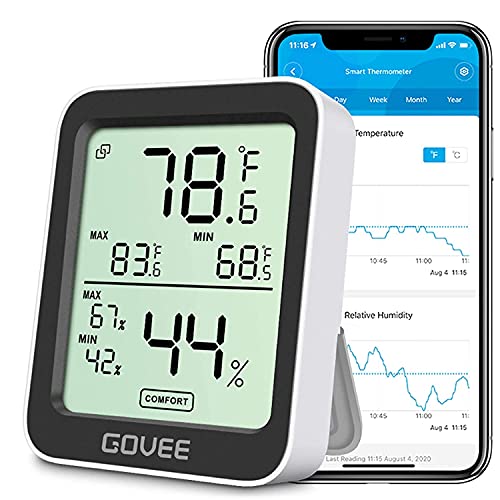
If you notice several of these signs, a simple hygrometer (an inexpensive humidity meter) will confirm the actual level. Placing one in the bedroom is the most reliable way to know whether you need to add or remove moisture.
How to Control Bedroom Humidity
Once you know your bedroom's humidity level, the next step is bringing it into the 40% to 50% range and keeping it there. The right approach depends on whether your room runs too humid or too dry, and on the climate where you live.
Reducing High Humidity
- Use a dehumidifier: A portable dehumidifier is the most direct solution for a bedroom that consistently exceeds 50% RH. Choose a capacity suited to the room size and run it during humid seasons or overnight.
- Rely on air conditioning: A properly sized air conditioner removes moisture as it cools. For many homes, running the AC during humid months keeps bedroom humidity in check. If you are evaluating cooling options, the pros and cons of a portable air conditioner are worth reviewing, since portable units vary in how effectively they handle moisture.
- Improve ventilation: Use exhaust fans in adjoining bathrooms, keep the bedroom door open when possible, and open windows during dry, breezy weather to exchange moist indoor air for drier outdoor air.
- Fix moisture sources: Repair leaks, dry wet laundry outside the bedroom, and avoid hanging damp towels indoors.
- Keep bedding breathable: Choose natural, moisture-wicking fabrics and avoid heavy synthetic covers that trap humidity against the body.
Increasing Low Humidity
- Use a humidifier: A cool-mist humidifier adds moisture to dry bedroom air. Keep the unit clean and monitor levels with a hygrometer so you do not overshoot into the humid zone.
- Seal drafts: Cold, dry air leaking through windows and doors lowers humidity and comfort. Weatherstripping helps maintain a stable indoor environment.
- Adjust HVAC settings: A programmable thermostat can help you run heating and cooling more consistently, which in turn stabilizes humidity levels throughout the night.
- Add moisture naturally: A small open container of water near a heat source or keeping a few houseplants can add modest humidity, though a humidifier remains the most controllable option.
Maintaining the Right Balance Year-Round
Humidity needs change with the seasons. Many homes are too humid in summer and too dry in winter, which means the corrective action flips twice a year. A hygrometer and a consistent routine solve most problems. If your bedroom humidity issues are tied to a larger indoor air quality concern, professional services such as professional duct cleaning can help remove built-up dust and biological material from the ventilation system, supporting healthier airflow throughout the home.
The Role of Your Air Conditioner in Bedroom Humidity
Air conditioners are often overlooked as humidity control devices, but dehumidification is a natural byproduct of cooling. As warm, moist room air passes over the cold evaporator coil, water vapor condenses on the coil and drains away, so the air delivered back into the room is both cooler and drier. This is why a bedroom feels noticeably less sticky after the AC has been running for a while.
However, an air conditioner is not a dedicated dehumidifier. Its primary job is temperature control, and moisture removal varies with runtime, system sizing, and climate. A system that is oversized for the room may cool the space quickly and shut off before it has removed much moisture, leaving the room cold but clammy. Proper sizing is therefore important not only for efficiency but for comfort and humidity control.
If you are in the research phase and comparing cooling options for a bedroom, understanding how different unit types handle moisture will help you choose wisely. Reviews such as the pros and cons of portable air conditioners and guidance on proper installation of a window AC can clarify what to expect. For quiet operation during sleep, resources on the quietest air conditioner options and the quietest window air conditioner for a small bedroom are especially relevant.
In very humid climates, relying on the AC alone may not be enough. Pairing a correctly sized air conditioner with a dehumidifier gives you independent control over temperature and moisture, which is the most reliable way to hit the 40% to 50% target consistently.
Special Considerations for Different Sleepers
While 40% to 50% is the general recommendation, individual needs vary. People with asthma or allergies often benefit from staying closer to 40% to 45%, where dust mites and mold are suppressed but airways are not dried out. Individuals with eczema or very dry skin may prefer the upper end of the range, around 45% to 50%, to reduce skin irritation. Infants and young children are more sensitive to both extremes, so a stable mid-range humidity is particularly important in a nursery.
Bedroom size, climate, and construction also matter. A small bedroom in a humid climate reaches high humidity faster than a large, well-ventilated room, and a basement bedroom naturally runs more humid than an upper-floor room. The general range is a starting point; a hygrometer lets you fine-tune it to your room and your body.
Frequently Asked Questions
What is the recommended humidity level for a bedroom?
The recommended bedroom humidity level is between 30% and 50%, with 40% to 50% considered ideal for most people. This range supports comfortable sleep, healthy skin, and proper respiratory function while reducing the growth of dust mites and mold.
Is 60% humidity too high for a bedroom?
Yes, 60% humidity is generally considered too high for a bedroom. Humidity above 50% can promote dust mite populations, mold growth, and a stuffy feeling that disrupts sleep. It is best to keep bedroom humidity below 50% and above 30%.
How does humidity affect sleep quality?
Humidity affects sleep quality through the body's thermoregulation. When humidity is too high, sweat cannot evaporate efficiently, causing overheating and discomfort. When it is too low, dry air irritates the respiratory tract, skin, and eyes. Both extremes fragment sleep and reduce restfulness.
Does an air conditioner reduce bedroom humidity?
Yes, an air conditioner reduces bedroom humidity as part of its cooling process. As warm air passes over the evaporator coil, moisture condenses and drains away, lowering the humidity level. However, an AC alone may not be sufficient in very humid climates, where a dedicated dehumidifier may be needed.
What are the signs of unhealthy bedroom humidity?
Signs of unhealthy bedroom humidity include condensation on windows, musty odors, mold spots on walls or ceilings, clammy bedding, static electricity, dry skin, irritated eyes, and frequent respiratory discomfort. These indicators suggest the humidity is either too high or too low.
Final Thoughts
Getting bedroom humidity right is one of the most cost-effective improvements you can make to your sleep environment. Aim for 40% to 50% relative humidity, measure it with a hygrometer, and correct imbalances with a dehumidifier, humidifier, or well-managed air conditioning. Small adjustments to ventilation, bedding, and moisture sources support the effort, and the payoff is better breathing, deeper sleep, and a healthier room. If you want to explore related indoor air and cooling topics before making equipment decisions, browse more recommendations on this site to continue your research.