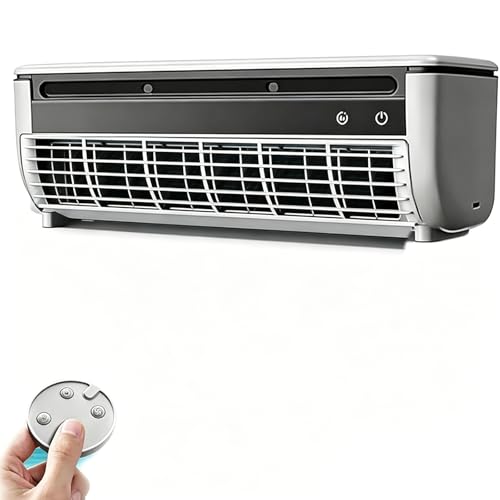
Self Contained Ceiling Mounted Air Conditioners
One unit, one installation point, full cooling performance. This guide explains how self contained ceiling mounted air conditioners work, where they excel, and how to choose the right capacity and configuration for your space.
Explore ConfigurationsWhat makes them different? A self contained ceiling mounted air conditioner houses the compressor, condenser, evaporator, and controls in a single chassis installed in or just below the ceiling. There is no separate outdoor unit, which simplifies installation and makes these systems a strong fit for retrofit projects, commercial interiors, and specialty spaces that need reliable, localized cooling.
Types of Self Contained Ceiling Mounted Units
Self contained ceiling systems come in several configurations. Each is suited to a different ceiling structure, budget of space, and ducting requirement.
Ceiling Cassette
A flush-mounted unit with a visible grille that distributes air in multiple directions. Popular in offices, retail, and dining spaces where a clean ceiling look matters. Often a balanced tier choice for commercial applications.
Ducted Ceiling Concealed
The unit sits above a drop ceiling or in a soffit, and cooled air is delivered through short duct runs to diffusers. Provides even distribution across larger rooms and can serve multiple zones from one unit.
Self Contained Packaged Unit
All components are in a single cabinet that can be mounted on the ceiling or in a mechanical closet. Common in server rooms, modular buildings, and spaces where an outdoor pad is impractical.
Spot Cooler Ceiling Unit
A smaller, professional-grade unit designed for targeted cooling. Often used in kitchens, gyms, and industrial spaces where a specific area needs additional cooling without conditioning the whole room.
If you are cooling a room that needs a clean interior look and quiet operation, ceiling cassettes are a strong match. The overview on portable wall mounted air conditioner explains an alternative when ceiling access is limited. For self contained systems in other mounting styles, see self contained portable air conditioning unit.
Self Contained vs Split System Ceiling AC
Understanding the trade-offs between self contained ceiling units and split systems helps you choose correctly. The table below compares them on the factors that matter most for ceiling installations.
| Factor | Self Contained Ceiling Unit | Split System Ceiling Unit | Best For |
|---|---|---|---|
| Components | All in one chassis | Indoor head plus outdoor condenser | Simple retrofit |
| Installation | Ceiling access only | Ceiling and exterior work | Buildings without exterior access |
| Efficiency | Moderate to high | High to very high | Long daily runtimes |
| Noise | Higher indoor noise | Quieter indoors | Bedrooms, quiet offices |
| Maintenance Access | Ceiling panel | Ceiling and outdoor access | Buildings with limited outdoor space |
| Typical Tier | Mid-range to professional-grade | Premium to high-end tier | Depends on space and budget of effort |
For a broader discussion of split ceiling systems, the ceiling cassette AC article covers ducted and cassette configurations that pair with outdoor condensers. If you are comparing system families more broadly, the pros and cons of ductless air conditioning overview is a useful reference.
Sizing and Capacity Guide
Ceiling mounted self contained units are sized by BTU just like other air conditioners. Because ceilings are involved, ceiling height and heat gain through the roof or upper floor can affect the required capacity.
| Room Size | Suggested BTU | Typical Use | Notes |
|---|---|---|---|
| Up to 300 sq ft | 9,000 – 12,000 BTU | Small office, retail kiosk | Cassette or spot cooler |
| 300 – 500 sq ft | 12,000 – 18,000 BTU | Studio, small shop | Ducted ceiling unit works well |
| 500 – 800 sq ft | 18,000 – 24,000 BTU | Restaurant, open office | Consider zoning |
| 800 – 1,200 sq ft | 24,000 – 36,000 BTU | Warehouse office, showroom | Packaged unit may be more efficient |
| High heat load spaces | Add 20–30% to base BTU | Kitchens, server rooms | Spot coolers plus primary unit |
For detailed sizing methodology that accounts for ceiling height and window area, see how to size an air conditioner. For high-density spaces such as data rooms, the server room air conditioner guide covers specialized self contained cooling configurations.
Installation Considerations
Self contained ceiling units are easier to install than split systems because they avoid exterior work. But ceiling structure, access, and drainage still need attention.
- Verify ceiling structure. A self contained unit can be heavy. Confirm the ceiling grid, joists, or soffit can support the unit's weight and that mounting hardware is specified for the application.
- Plan the condensate drain. Because the unit is above the occupied space, a reliable drain path is essential. Plan a drain line to a suitable location and consider a secondary drain pan for high-value spaces.
- Confirm power availability. Most self contained ceiling units use dedicated 208/230V circuits. Verify the panel capacity and route the circuit before the unit is installed.
- Plan filter and service access. Choose a ceiling location that allows the filter and access panels to be reached safely with a ladder. Avoid placing units directly over production lines or desks where service would be disruptive.
- Coordinate ductwork if applicable. Ducted units need properly sized short duct runs. Use insulated flex duct or sheet metal based on the application, and seal all joints for efficiency.
- Test airflow and temperature before final signoff. Confirm the unit reaches target temperature, that airflow is even across the space, and that no condensate leaks occur during the first cooling cycle.
Sealing ducts and insulating the ceiling cavity improves performance and reduces runtime. The seal air ducts for efficiency guide explains the principles, and the rectangular ductwork overview covers duct layout for compact spaces.
Efficiency and Long-Term Operation
Self contained units are efficient when sized and installed correctly. Because the compressor and condenser are in the same cabinet as the evaporator, part of the heat is rejected into the ceiling plenum or ducted away. Proper ventilation around the unit is critical.
| Feature | Why It Matters | Best For |
|---|---|---|
| SEER / EER Ratings | Indicates how efficiently the unit converts power to cooling | Long daily runtimes |
| Inverter Compressor | Modulates capacity for steadier temperature and lower part-load energy use | Offices, quiet spaces |
| Programmable Thermostat | Schedules cooling to occupancy | Commercial spaces with predictable hours |
| Multi-Speed Fan | Improves comfort and reduces noise at low speed | Rooms with varying occupancy |
| Fresh Air Intake | Improves indoor air quality in sealed commercial spaces | Retail, offices, classrooms |
Understanding efficiency labels helps you compare models fairly. Read SEER vs SEER2 DOE standards for a detailed explanation of the ratings used in the US market. For quiet operation priorities, the quietest air conditioner guide explains how to evaluate noise levels across unit types.
Maintenance for Ceiling Mounted Systems
Self contained ceiling units have straightforward maintenance routines, but access matters. Plan for these tasks through the life of the unit.
- Clean or replace filters monthly during heavy use. A clogged filter forces the unit to work harder and can cause freezing on the evaporator coil.
- Inspect and clear the condensate drain every season. Ceiling-mounted units can cause visible water damage if the drain clogs. Consider a float switch as a safety measure.
- Clean coils at least once per year. Dust and grease buildup on coils reduces efficiency. In kitchens or gyms, clean more frequently.
- Check electrical connections annually. Vibration and thermal cycling can loosen terminals. A technician should inspect these during a service visit.
- Verify ventilation around the unit. The self contained design depends on adequate airflow around the chassis. Blocked plenum space reduces performance and shortens compressor life.
General preventive guidance from residential systems applies. The preventive maintenance of air conditioning unit checklist and the seasonal AC checklist offer useful routines that adapt well to ceiling units.
Where Self Contained Ceiling Units Excel
These units are a strong fit for a specific set of spaces. Knowing where they shine helps justify the choice.
Commercial Interiors
Retail stores, offices, and small restaurants benefit from ceiling cassettes because they save floor and wall space and provide even cooling. Maintenance can be planned around business hours.
Specialty Spaces
Server rooms, telecom closets, and equipment rooms often use self contained ceiling units for their compact footprint and dedicated cooling. See server room air conditioner for capacity planning.
Buildings Without Exterior Access
Interior rooms, basements, and buildings where exterior condensers are not permitted are natural fits. A self contained ceiling unit avoids the need for exterior work.
Modular and Portable Buildings
Classrooms, temporary offices, and modular structures benefit from the all-in-one design. See self contained heating and air conditioning units for combination heating and cooling configurations.
If you are considering self contained cooling for a camper or tent setup, the portable tent AC guide covers compact portable options. For a broader review of self contained systems across applications, the self contained ceiling mounted air conditioners overview provides additional context.
Common Problems and Troubleshooting
When a self contained ceiling unit underperforms, the cause is usually one of a few common issues. Use this list as a starting point for diagnosis.
Not Cooling
Dirty filter, blocked coils, or low refrigerant. Start with airflow checks and confirm the compressor is engaging before assuming a sealed system fault.
Water Leaking
A clogged drain is the most common cause. Inspect the drain pan and line, and confirm the unit is level.
Noise or Vibration
Loose mounting hardware, debris in the blower, or failing bearings. Re-tighten mounts and clear obstructions before replacing parts.
Frequent Cycling
An oversized unit or a thermostat placed in a poor location. Check thermostat placement and verify the unit is correctly sized for the space.
For broader troubleshooting guidance, see reasons why an air conditioner is not cooling and reasons air conditioner not cooling in house. For service routines, the servicing air conditioning units guide covers seasonal service tasks.
Frequently Asked Questions
What is a self contained ceiling mounted air conditioner?
A self contained ceiling mounted air conditioner houses all cooling components - compressor, condenser, evaporator, and controls - in a single unit installed in or below the ceiling. It distributes conditioned air directly without separate indoor and outdoor sections.
What size ceiling mounted AC do I need?
Size depends on room volume, heat load, and occupancy. Small rooms under 300 square feet typically use 9,000 to 12,000 BTU, while larger commercial spaces may need 24,000 BTU or more. A load calculation is always recommended.
How are self contained ceiling mounted units maintained?
Maintenance includes cleaning or replacing filters monthly, inspecting the condensate drain, cleaning coils at least once per season, and checking electrical connections annually. Ceiling access panels make most tasks manageable.
Can a self contained ceiling unit replace a split system?
Yes, in many cases. Self contained units are often chosen when exterior condenser placement is difficult or when ductwork is limited. The trade-off is that all components are indoors, which can increase indoor noise and reduce efficiency compared to a split system.
Are ceiling cassette units self contained?
Not always. Some ceiling cassettes are split systems with a remote condenser, while true self contained cassettes have all components in the ceiling chassis. Always confirm the configuration before ordering.
If you are also considering wall-mounted alternatives, the portable wall mounted air conditioner page covers another space-saving configuration. For ducted systems with a remote condenser, see ceiling cassette AC and the ducted mini split overview.