Portable Tent AC: Practical Cooling for Camping and Outdoor Shelters
Understand which cooling technologies work inside a tent, how to size a unit for limited volume, what power sources are realistic, and how to set up an outdoor shelter that stays comfortable on hot nights.
Explore the Buying PathWhy this guide matters: A tent is not a room. It has thin walls, limited insulation, a small interior volume, and often no reliable power. Shopping for tent cooling without understanding those constraints leads to disappointing results. This page explains what works, what does not, and how to choose with confidence.
What Is a Portable Tent AC?
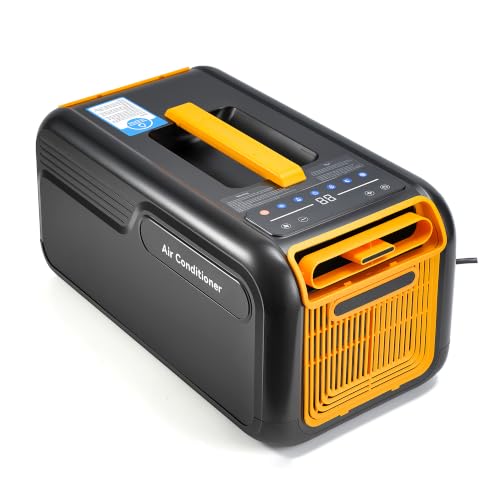
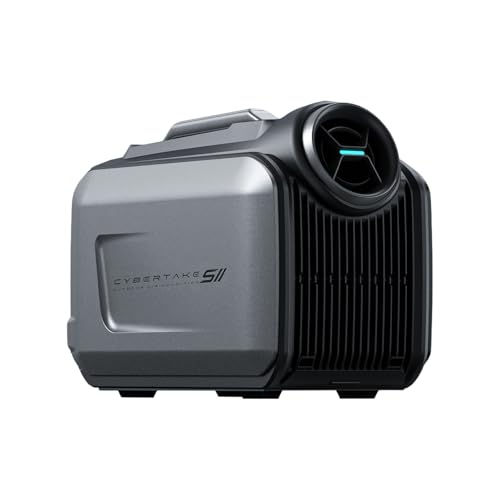
A portable tent AC is a compact cooling device intended to lower the air temperature inside a camping tent, cabin tent, or temporary outdoor shelter. The category is broad. It includes small evaporative coolers that run on water, personal coolers that use ice packs, and compressor-based portable air conditioners that vent warm exhaust air through a short hose.
Unlike a whole-room air conditioner, a tent unit is judged by how well it handles a small, poorly insulated space. That changes the design priorities: weight, power draw, venting method, and portability matter as much as raw cooling capacity. Buyers researching outdoor cooling often start with the broader portable indoor air conditioning units overview and then narrow to the tent-specific format.
If you are camping with limited electricity, the portable solar powered air conditioner for camping route is worth understanding, because it changes what is realistic in terms of runtime and unit size.
How Tent Cooling Units Work
There are three main technologies used in tents, and each behaves differently in real camping conditions.
- Evaporative coolers: draw air through a wet pad, lowering temperature as water evaporates. Effective in dry, low-humidity climates. In humid conditions they add moisture and provide little cooling.
- Personal ice-based coolers: circulate air over ice or frozen packs. Provide a modest temperature drop in a small area, usually within a few feet of the vent. Best for spot cooling a sleeping area rather than the entire tent.
- Compressor-based portable AC: uses refrigerant to cool air and vents warm exhaust outside through a hose. Delivers the strongest cooling but requires more power and a venting path through the tent fabric or door.
Each approach has trade-offs. Evaporative and ice-based units are light and draw little power but provide limited relief. Compressor units cool more effectively but demand a campsite hookup or a substantial power station. Matching the technology to the climate and power situation is the single most important decision.
Types of Portable Tent AC Units
Personal Ice Coolers
Compact units that use ice or frozen packs. Lightweight and simple to set up. Best for spot cooling near a sleeping pad in mild heat.
Evaporative Tent Coolers
Water-based cooling for dry climates. Moderate airflow and lower power draw. Effective in desert and semi-arid camping conditions.
Compressor Portable AC
Refrigerant-based cooling with vented exhaust. The strongest option for large tents, provided you have a reliable power source and a venting plan.
Battery-Powered Coolers
Built-in batteries or support for power stations. Convenient for off-grid trips where a hookup is unavailable.
Solar-Compatible Kits
Designed to pair with portable solar panels. Runtime depends on panel output and battery capacity, not on the unit alone.
Tent AC with Duct Kit
Includes a fabric-compatible vent or duct adapter that routes warm exhaust outside without leaving the tent door wide open.
For buyers who want a middle path between a personal cooler and a full compressor unit, the portable small air conditioning unit category covers compact systems that are easier to transport than a full portable AC.
Tent AC vs Other Portable Cooling Options
Campers often compare a tent-specific cooler with a general-purpose portable air conditioner. The differences are meaningful when the space is a fabric shelter rather than a room.
| Option | Best For | Power Demand | Venting Needed | Climate Fit |
|---|---|---|---|---|
| Personal ice cooler | Spot cooling near a sleeping area | Very low | None | Mild heat, any humidity |
| Evaporative tent cooler | Dry-climate camping | Low to moderate | None; needs ventilation | Dry, low-humidity climates |
| Compressor portable AC | Large tents with power access | Moderate to high | Yes, exhaust hose required | Hot and humid conditions |
| Battery-powered cooler | Off-grid trips | Depends on unit size | Varies by model | Mild to moderate heat |
If you are weighing a tent cooler against a conventional window unit for a cabin or RV, the portable vs window AC comparison clarifies the trade-offs for semi-permanent structures. Tents are a different case, and the rules about venting and power are stricter.
Sizing a Tent AC
Tent sizing follows different logic than room sizing. The interior volume is smaller, but the walls offer little insulation and the sun load on the fabric can be intense. Most manufacturers provide a recommended tent capacity in cubic feet or occupant count.
| Tent Size | Typical Capacity Range | Notes |
|---|---|---|
| 1–2 person backpacking tent | Personal cooler | Spot cooling only; limited space for a larger unit |
| 3–4 person dome tent | Small evaporative or personal cooler | Shade and ventilation matter as much as the unit |
| 4–6 person cabin tent | Mid-capacity evaporative cooler | Best in dry climates; confirm power availability |
| 6–8 person family tent | 5,000 BTU or higher compressor unit | Requires venting and a reliable power source |
| Large cabin or canvas shelter | Mid to high capacity compressor unit | Consider zone cooling with two smaller units |
For a more structured approach, the air conditioner sizing guide explains how volume, sun load, and insulation interact. The principles carry over to tents even though the numbers differ.
Unsure whether your tent can support a compressor unit?
Review the sizing fundamentals first, then confirm your power source and venting plan before committing to a larger unit.
Review Sizing BasicsPower Sources and Runtime
Power is the most common reason tent cooling disappoints. A unit that works well at home may drain a battery faster than expected in the field. Plan the power source before choosing the unit.
- Campsite electrical hookup: the simplest option for compressor units. Confirm the outlet’s amperage and whether the campground permits high-draw appliances.
- Portable power station: practical for mid-size units. Check both running wattage and startup surge, and account for other devices sharing the battery.
- Car inverter: useful for short sessions, but continuous use can stress the vehicle battery. Keep the engine running when practical.
- Solar panels: extend runtime in sunny locations. Panel output, battery capacity, and unit draw together determine how many hours of cooling you can realistically expect.
- Built-in battery coolers: convenient and self-contained, but typically limited to lower cooling output.
The portable solar panels guide explains how panel wattage translates into usable runtime for small cooling devices. Campers who want to stay off-grid often pair a modest cooler with a solar setup rather than attempting to run a large compressor unit from a battery.
Setup and Venting Tips
- Pitch the tent in shade when possible. A shaded tent can be noticeably cooler before the unit even runs.
- Use reflective or light-colored rain flys to reduce solar gain on the tent fabric.
- For compressor units, route the exhaust hose through a dedicated vent or a partially open window flap rather than leaving the door fully open.
- Seal gaps around the exhaust hose to prevent hot air from re-entering the tent.
- Keep the unit on a level surface and away from bedding and fabric to avoid blocked airflow.
- Run the unit before the tent gets hot. Pre-cooling is more effective than trying to recover from peak heat.
- For evaporative coolers, keep a window or vent slightly open to allow airflow; these units need air exchange to work.
- For ice-based coolers, freeze packs ahead of time and rotate them for longer sessions.
Setup quality often matters more than the headline specification. A modest unit placed well and vented correctly can outperform a larger unit that is fighting hot exhaust and poor airflow.
Features Worth Prioritizing
Low Power Draw
Critical for battery and solar setups. Check running wattage rather than assuming a small unit is efficient.
Quiet Operation
Tents amplify sound. A unit that seems quiet in a room may feel loud at night in close quarters.
Compact Footprint
Floor space inside a tent is limited. Prioritize units that can sit on a small platform or hang from a frame.
Venting Kit Compatibility
For compressor units, a fabric-compatible vent adapter makes setup cleaner and reduces hot-air leakage.
Durable Construction
Outdoor use exposes units to dust, moisture, and handling. Reinforced housings and weather-resistant coatings are worthwhile.
Easy Drain or Refill
Evaporative and ice-based coolers need water or ice changes. Simple access matters during a trip.
Matching the Unit to Your Climate
Climate determines which technology makes sense more than any other factor. In dry heat, evaporative cooling is efficient and light on power. In humid heat, evaporation slows and evaporative units provide little relief. Compressor-based cooling handles humidity better because it removes moisture as it cools, but it demands more power and a venting plan.
Campers in mixed climates sometimes carry a personal ice cooler for spot relief and rely on shade, ventilation, and site selection for the rest. The portable tent AC overview is a useful starting point if you are still deciding which format fits your trips.
Care and Maintenance
- Empty and dry water tanks after each trip to prevent mold and odors.
- Clean or replace filters according to the manufacturer’s schedule, especially after dusty trips.
- Inspect the exhaust hose and vent adapter for tears or loose connections before each use.
- Store the unit in a dry place and protect it from direct sun during transport.
- Check power cables and connectors for wear before relying on them for an overnight session.
Simple care extends the working life of a tent cooler and keeps performance consistent across seasons. The seasonal AC checklist is a useful reference for a pre-trip inspection routine.
A Practical Buying Path
- Identify the climate. Dry heat favors evaporative cooling; humid heat favors compressor units.
- Confirm your power source. Campsite hookup, power station, solar, or built-in battery.
- Measure the tent. Use cubic feet or manufacturer occupant ratings to estimate the cooling target.
- Decide on venting. Compressor units need a hose route; evaporative and ice units do not.
- Compare features within a tier. Prioritize power draw, noise, and setup simplicity over headline claims.
- Plan the setup. Shade, reflective flys, and pre-cooling extend the effective performance of any unit.
- Check warranty and support. Outdoor gear takes abuse; service access matters.
If your shelter is closer to a small room than a tent, the portable miniature air conditioner category covers compact units that sit between tent coolers and full room air conditioners. For setups where a window is available, the room air conditioner that doesn’t need a window overview explains alternative venting strategies.
Frequently Asked Questions
What is a portable tent AC?
A compact cooling unit designed for tents and outdoor shelters. It may be an evaporative cooler, a personal ice-based cooler, or a small compressor-based air conditioner with an exhaust hose.
Can any portable AC be used in a tent?
No. Compressor units need reliable power and a venting path for hot exhaust. Evaporative coolers work best in dry climates. Personal coolers are the most flexible but provide limited cooling.
How much cooling power does a tent need?
It depends on tent volume and climate. A small tent often benefits from a personal cooler, while a large family cabin tent may need a 5,000 BTU or higher compressor unit with proper venting.
What power source do tent AC units require?
Options include a campsite hookup, portable power station, car inverter, solar setup, or a unit with a built-in battery. Confirm running wattage and startup surge before relying on battery power.
Do portable tent AC units work in humid climates?
Evaporative coolers lose effectiveness in high humidity. Compressor-based units handle humidity better because they remove moisture while cooling, provided you can vent the exhaust and supply enough power.
Ready to compare specific tent cooling options?
The recommendation section below highlights portable tent AC units across tiers so you can match technology and features to your camping style.
View Recommended Models