Self Contained Heating and Air Conditioning Units: Full Guide
Understand how all-in-one packaged HVAC systems work, where they are the best choice, how to size them correctly, and what to expect from installation and long-term maintenance.
Start LearningWhy this guide matters: Self contained heating and air conditioning units combine every major component in a single cabinet. That design simplifies installation and service, but it also changes how you plan space, ductwork, and efficiency. This guide helps you compare packaged systems with other formats so you can make a well-informed decision.
What Are Self Contained Heating and Air Conditioning Units?
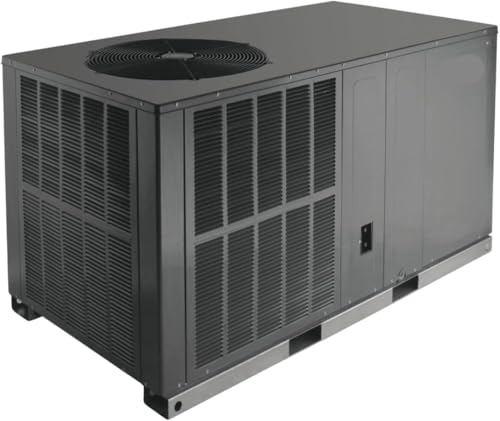
A self contained heating and air conditioning unit is a packaged system that houses the compressor, condenser coil, evaporator coil, blower, and heating section in a single weather-resistant cabinet. Instead of pairing an outdoor condenser with an indoor air handler or furnace, everything lives in one enclosure. Ductwork connects the unit to the conditioned space, and the unit handles both heating and cooling from a single control point.
This "all in one" design is common in commercial buildings, manufactured housing, small retail spaces, and some residential applications. It reduces the number of separate components, simplifies the refrigerant circuit, and often shortens installation time. The trade-off is that the unit’s location and cabinet design influence service access, weight distribution, and duct routing.
Self contained units are closely related to packaged rooftop systems and packaged terminal units. If your application involves a rooftop installation, our guide on roof mounted central air conditioning units explains the rooftop-specific considerations. If the building uses a ceiling-mounted configuration, the overview of self contained ceiling mounted air conditioners covers that variation.
Types of Self Contained HVAC Units
Self contained systems are available in several configurations. The right one depends on building layout, fuel availability, and how much control each zone needs.
Packaged Cooling Units
Cooling-only packaged units paired with a separate heating source inside the building. Common in climates with modest heating demand.
Packaged Heat Pumps
Provide both heating and cooling in one cabinet by reversing the refrigerant cycle. Efficient in moderate climates and popular for year-round comfort.
Packaged Gas-Electric Units
Combine electric cooling with a gas furnace section in a single cabinet. Common where natural gas is available and a single unit is preferred.
Packaged Terminal Units
Through-the-wall units common in hotels and multi-family buildings. Compact, self contained, and straightforward to service.
Ducted Packaged Systems
Larger packaged units that connect to a full duct system to serve multiple rooms or zones from a central location.
Portable Packaged Units
Smaller self contained units designed for flexible placement. Useful for temporary or supplemental cooling needs.
Within each category, the heating method matters. Gas-electric units use a gas furnace section, heat pump units use a reversing valve, and cooling-only units rely on a separate heating system. Choosing the right configuration starts with understanding the building’s heating fuel and the local climate. For broader context on how packaged systems compare to split systems, see the guide on rooftop heating and air conditioning units.
Advantages of Self Contained Systems
Self contained systems offer a distinct set of benefits that make them a preferred choice in many buildings.
Simplified Installation
Because all major components are in one cabinet, installation involves fewer connections and a shorter refrigerant circuit. Only ductwork, power, and condensate drainage need to be brought to the unit. This can reduce installation time and the number of potential leak points.
Space Efficiency
Self contained units avoid the need for a separate indoor air handler or furnace closet. That frees up interior space for living or commercial use. Rooftop and ground-level installations keep the equipment out of the occupied area entirely.
Centralized Service Access
Service technicians have all components in one place. Diagnostics and repairs are generally more efficient than working with split systems where components are in different locations. This can reduce labor time during maintenance and repairs.
Consistent Performance
Because the indoor and outdoor sections are matched at the factory, the system is designed to work together as a unit. That reduces the risk of mismatched components, which can occur when replacing only part of a split system.
These advantages come with trade-offs. Self contained systems require careful ductwork design and a suitable mounting location. If your building has an existing split system with a dedicated mechanical room, the conversion may not be worthwhile. Our overview of replacing heating and air conditioning systems explains when a full replacement makes sense.
How to Size a Self Contained HVAC Unit
Sizing a packaged system follows the same principles as sizing any central HVAC system, but the unit's location and duct design add a few specific considerations.
Load Calculation First
A room-by-room load calculation should determine the required cooling and heating capacity. Factors include square footage, ceiling height, window area and orientation, insulation, air infiltration, and internal heat gains. The result is expressed in British thermal units (BTU) for cooling and in heating capacity units for the heating section. Rule-of-thumb formulas are not a substitute for a proper calculation.
Duct Static Pressure
The duct system must be designed so that the static pressure falls within the unit’s rated range. Long runs, undersized ducts, and excessive fittings all increase static pressure and reduce airflow. A duct design that is too restrictive will reduce comfort and can shorten compressor life. Our overview of rectangular ductwork explains how duct geometry affects performance.
Altitude and Climate Adjustments
At high altitudes, reduced air density affects airflow and capacity. In cold climates, the heating section must be sized for local design temperatures. These adjustments are part of proper selection, not optional extras.
Mounting Location and Structure
Rooftop and ground-level installations must support the unit's operating weight. Roof curbs, concrete pads, and vibration isolation are part of the installation plan. If the unit is installed inside a mechanical room, confirm that the room has adequate ventilation and service clearance.
Tier guidance: Self contained units are commonly grouped into entry-level, mid-range, and premium tiers. Entry-level tier units are appropriate for light-duty applications with moderate run hours. Mid-range units usually add better cabinet insulation, improved service access, and more efficient components. Premium tier units are designed for demanding duty cycles, harsh environments, and buildings with strict comfort requirements. Match the tier to the building’s usage and climate rather than selecting the highest tier by default.
Installation Considerations
Installation requirements vary by format, but several principles apply across all self contained systems.
Rooftop Installation
Rooftop units sit on a curb that raises the cabinet above the roof surface. The curb must be flashed and sealed to protect the roof membrane. Ductwork and electrical connections run through the curb. Roof access for service must be safe and practical.
Ground-Level Installation
Ground-level units sit on a concrete pad and connect to ductwork through the building wall or foundation. The pad must be level and stable, and the unit must be protected from standing water. Service clearance around the unit is important.
Mechanical Room Installation
Indoor self contained units require adequate ventilation, combustion air (if applicable), and clearance for service. The room should be designed to handle the unit’s heat rejection and noise.
Electrical and Controls
Packaged units often require a dedicated electrical circuit. Confirm the available power and breaker capacity before installation. If the building uses a building automation system, confirm that the unit’s controls are compatible with the existing system. Our guide on a professional HVAC thermostat covers control options for packaged equipment.
For buildings with rooftop evaporative coolers that are being replaced, the guide on replacing an evaporative cooler with an air conditioner explains the transition considerations.
Efficiency Ratings for Self Contained Units
Efficiency ratings help compare how much energy a unit uses to deliver heating and cooling. For packaged systems, both cooling and heating ratings matter.
Cooling Efficiency
Cooling efficiency is expressed with SEER2 and EER2. Higher ratings indicate better efficiency. In hot climates or buildings with long cooling seasons, a higher-efficiency unit is usually a worthwhile investment because it uses less electricity over its service life.
Heating Efficiency
Heat pump heating efficiency is expressed with HSPF2. Gas furnace sections are rated by AFUE. Both measures help compare how much useful heat is delivered per unit of energy input. Modern packaged units with high-efficiency components can perform noticeably better than older equipment.
Efficiency Tiers
Packaged units are commonly grouped into recognizable market tiers:
- Entry-level tier: Essential efficiency and straightforward components, best for light-duty or seasonal use.
- Mid-tier: Balanced efficiency and features, often the most common choice for long-term commercial and residential use.
- High-end tier: Higher efficiency and quieter operation, well suited to extended cooling seasons and comfort-critical applications.
- Top-tier / commercial-grade: Variable-speed compressors, advanced controls, and the highest efficiency for demanding installations.
To understand how ratings are tested, the guide on SEER vs SEER2 and DOE standards covers the updated methodology. For maintenance routines that protect efficiency, the article on preventive maintenance of an air conditioning unit covers the basics.
Self Contained vs Split System: Quick Comparison
The table below summarizes how self contained packaged systems compare with conventional split systems across factors relevant to planning.
| Factor | Self Contained Unit | Split System |
|---|---|---|
| Component layout | All components in a single cabinet | Outdoor condenser plus indoor air handler or furnace |
| Installation | Single unit with duct and power connections | Two units plus refrigerant lines |
| Space use | Uses roof, pad, or mechanical room space | Uses interior mechanical space and outdoor space |
| Service access | Centralized in one location | Split between indoor and outdoor locations |
| Refrigerant circuit | Factory-sealed and compact | Field-installed line set |
| Best for | Commercial buildings, manufactured housing, limited interior space | Homes with basements, crawlspaces, or dedicated mechanical rooms |
Neither format is universally better. The right choice depends on the building structure, available space, climate, and how much flexibility is needed for future replacement. A qualified contractor can evaluate the site and explain which format fits best.
Maintenance for Self Contained Systems
Self contained units concentrate all components in one place, which simplifies service — but it also means that poor maintenance affects the entire system.
Routine Tasks
- Filter changes: Replace or clean filters on a schedule appropriate to the building’s dust and usage levels.
- Coil cleaning: Clean both condenser and evaporator coils to maintain heat transfer and airflow.
- Condensate drain: Verify that the drain pan and line are clear and drain freely.
- Refrigerant charge: Confirm correct charge and inspect for leaks during seasonal checkups.
- Heating section: For gas sections, inspect burners and heat exchanger; for heat pumps, check the reversing valve and defrost controls.
- Cabinet and seals: Check for corrosion, loose panels, worn gaskets, and roof curb or pad integrity.
- Electrical connections: Tighten terminals and inspect contactors for wear.
Seasonal Checkups
A spring checkup prepares the unit for cooling season, and a fall checkup prepares it for heating season. Seasonal service should include a full inspection of the cabinet, coils, drains, and controls. A detailed seasonal AC checklist helps facility managers and homeowners keep track of the tasks that matter most.
When to Call a Professional
If the unit stops heating or cooling, makes unusual noises, or produces water where it should not, professional service is warranted. Refrigerant work and gas furnace service require certified technicians. Our guide on servicing an HVAC system explains what a routine service visit includes. For rooftop units specifically, the guide on rooftop furnace covers heating-specific considerations.
Frequently Asked Questions
What is a self contained heating and air conditioning unit?
A self contained heating and air conditioning unit houses all the major components — compressor, condenser coil, evaporator coil, blower, and heating section — in a single cabinet. Instead of having a separate indoor air handler and outdoor condenser, everything is in one enclosure. These packaged systems are common on commercial rooftops, in manufactured housing, and in applications where a compact, all-in-one solution is preferred.
Where are self contained HVAC units typically installed?
Self contained units are commonly installed on roofs, on concrete pads at ground level, and in mechanical rooms. Rooftop installation is common on commercial buildings because it saves interior space and keeps equipment accessible. Ground-level and mechanical room installations are used where roof access is limited or where local codes require a different placement.
Are self contained units more efficient than split systems?
Efficiency depends on the specific model and installation rather than the format alone. Self contained units avoid long refrigerant line runs between indoor and outdoor components, which can reduce efficiency losses. However, because all components sit in one outdoor cabinet, the compressor and blower operate in the same environment. Modern packaged units with variable-speed compressors and high-efficiency ratings can match the performance of many split systems.
How often do self contained HVAC units need maintenance?
Self contained units should receive professional maintenance at least once a year, ideally twice — once before cooling season and once before heating season. Maintenance includes filter changes, coil cleaning, condensate drain checks, refrigerant charge verification, and inspection of the cabinet, curb, and electrical connections. Regular maintenance keeps efficiency high and helps catch small issues before they become costly repairs.
Explore Self Contained HVAC Options
Browse recommended self contained heating and air conditioning units below, or review related guides to compare configurations for your building.
View Recommended Units