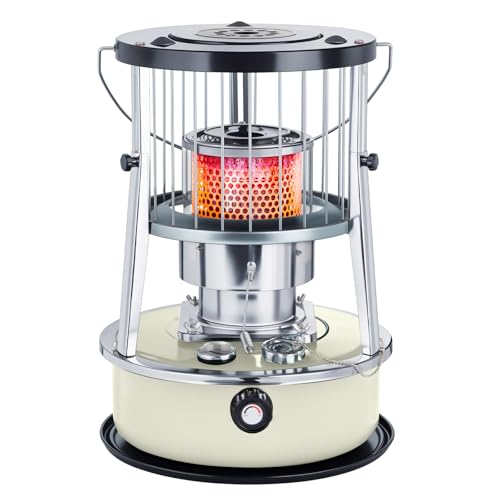
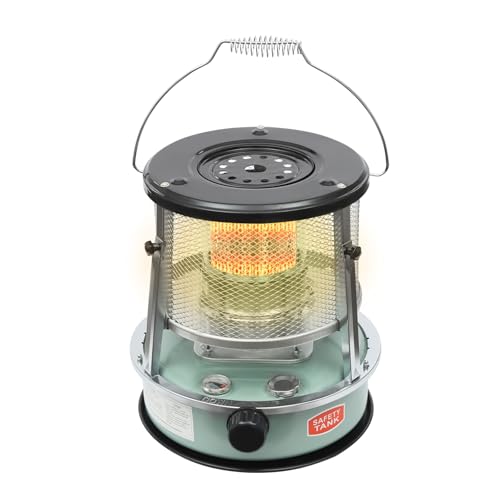
Small Kerosene Heater Indoor: Safe Buying Guide
A small kerosene heater can warm a room efficiently during a power outage or in a space without ductwork, but indoor use comes with real safety rules. This guide covers ventilation, sizing, fuel handling, and the features that separate a safe unit from a risky one.
Indoor Kerosene Heater Safety Rules
Kerosene heaters are safe when used correctly and dangerous when they are not. The rules below are not optional — they are the difference between a warm room and a serious accident.
Core safety rules
- Ventilate the room: crack a window about one inch to allow fresh air in. Kerosene heaters consume oxygen and release carbon monoxide and moisture.
- Maintain clearance: keep the heater at least three feet from furniture, curtains, bedding, and anything that can burn.
- Place on a level, non-flammable surface: never on carpet, rugs, or furniture. A hard floor with a heat-resistant mat is the standard.
- Never move a lit heater: shut it off and let it cool completely before moving it. Fuel can spill and ignite.
- Refuel outdoors only: turn off the heater, let it cool, and refuel outside or in a well-ventilated area away from flames and sparks.
- Use only the recommended fuel: water-clear 1-K grade kerosene. Never gasoline, diesel, or jet fuel.
- Keep children and pets away: the outer surfaces and the top grille can cause serious burns.
- Store fuel safely: in a labeled, approved metal container away from living areas, in a cool, well-ventilated location.
For indoor air quality concerns that go beyond heating, the indoor air quality guide covers ventilation, filtration, and monitoring in detail. If you are comparing heating options for a whole home, the HVAC system buying guide provides a broader framework.
Sizing a Small Kerosene Heater
Small kerosene heaters are usually rated between 10,000 and 23,000 BTU. The right size depends on the room's volume, insulation, and how cold the outdoor temperature gets.
Typical sizing ranges
- 10,000 BTU: small rooms around 200 to 300 square feet, mild climates, well-insulated spaces.
- 15,000 to 18,000 BTU: rooms around 300 to 400 square feet, average insulation, moderate climates.
- 20,000 to 23,000 BTU: larger rooms around 400 to 500 square feet, colder climates, or spaces with more heat loss.
If the room is large enough to need more than 23,000 BTU, a portable kerosene heater is not the right tool. Consider a room-to-room transfer fan with thermostat to move heat from a central room, or explore a window unit with heater for a combined cooling and heating approach.
Features That Matter Most
Not all small kerosene heaters are equal. The features below are the ones that most affect safety, comfort, and long-term reliability.
Battery-powered ignition
A push-button battery ignition is safer and easier than matches or a manual wick. Confirm the battery type before buying.
Automatic shut-off
A tilt switch or tip-over shut-off cuts the fuel if the heater is knocked over. This is a must-have feature.
Fuel gauge
A visible fuel gauge helps you refuel before the heater runs dry, which prevents wick damage and unpleasant odors.
Adjustable heat settings
At least two heat levels let you match output to the room and avoid overheating.
Wick adjustment knob
A precise wick adjustment lets you maintain a clean burn, which reduces odor and soot.
Drip tray or spill guard
A spill guard reduces the risk of fuel spilling during refueling or an accidental tip-over.
Carrying handle
A sturdy handle is important for safe movement when the unit is off and cooled.
Odor reduction design
Better wick design and a catalytic converter reduce the kerosene smell during startup and shutdown.
Heater Tiers at a Glance
Small kerosene heaters fall into recognizable tiers based on feature set and build quality. Use the tiers below to frame your shortlist.
| Tier | Typical Features | Best For |
|---|---|---|
| Essential tier | Manual wick adjustment, basic fuel gauge, simple on/off ignition, single heat level | Occasional backup heat and short use |
| Balanced tier | Push-button ignition, two heat settings, tilt shut-off, fuel gauge | Regular use in a workshop, garage, or living area |
| Top-tier | Automatic ignition, precision wick control, catalytic odor reduction, reinforced chassis, spill guard | Frequent use and households that want the best available safety features |
If you are comparing alternative heating approaches, the HVAC heat pumps guide explains a more permanent solution, and the room air conditioner that doesn't need venting guide covers a different segment of room comfort appliances.
How to Set Up and Use Safely
Follow these steps in order each time you bring the heater into service. A consistent routine prevents most kerosene heater accidents.
- Choose the room. Pick a room with adequate ventilation and no sleeping occupants. Never use in a bedroom overnight.
- Set up the heater on a hard, level surface. Keep it at least three feet from furniture, curtains, and any flammable material.
- Check the fuel level and fuel quality. Use only water-clear 1-K kerosene. Refuel outdoors, with the heater off and cooled.
- Crack a window. Open a window about one inch in the room to provide fresh air. If the room has no window, do not use the heater there.
- Confirm the carbon monoxide alarm is working. Test the alarm before each heating season and check the battery monthly.
- Ignite the heater per the manual. Use the push-button ignition or a long match per the manufacturer instructions. Never use the wick to relight a hot heater.
- Adjust the wick for a steady blue flame. A clean blue flame with an orange tip is normal. A tall yellow flame means the wick is too high and produces more soot and carbon monoxide.
- Monitor the room. If the room feels stuffy, smells strongly of kerosene, or the CO alarm sounds, shut the heater off and ventilate.
- Shut down safely. Turn the wick down and let the heater burn off the fuel before extinguishing. Never smother a hot heater.
Compare Indoor Heating Options
Kerosene heaters are one option among several for supplemental heat. Review the tiers and safety rules above, then compare the models in the recommended products section below to find a unit that fits your room and your safety expectations.
Explore the HVAC Buying GuideFrequently Asked Questions
Is it safe to use a kerosene heater indoors?
Yes, when used correctly. It requires a ventilated room, a working carbon monoxide alarm, proper clearance from flammable materials, and strict fuel handling. Never use one in a bedroom while sleeping.
How much ventilation does a small kerosene heater need?
Crack a window about one inch in the room where the heater operates. The heater consumes oxygen and produces carbon monoxide, so some fresh air exchange is required at all times.
What size kerosene heater do I need for a small room?
For a small room around 200 to 300 square feet, a 10,000 BTU heater is usually sufficient. Rooms around 300 to 400 square feet typically need 15,000 to 18,000 BTU. Match the heater to the room and the outdoor temperature.
What fuel should I use in an indoor kerosene heater?
Use only water-clear 1-K grade kerosene. Never use gasoline, diesel, jet fuel, or kerosene that has darkened or contains water. Poor fuel quality is a leading cause of odor, soot, and poor performance.
Why does my kerosene heater smell?
Some odor during startup and shutdown is normal. A persistent strong smell usually indicates a wick that needs adjusting or replacing, poor fuel quality, or a room that needs more ventilation. If the smell accompanies a yellow flame, shut the heater off and inspect it.
Can I use a kerosene heater in a garage or workshop?
Yes, if the space has ventilation and no flammable vapors. Never use a kerosene heater in a space where gasoline, paint thinner, or other flammable vapors are present.
For related indoor air topics, see the indoor air quality overview and the do I need a dehumidifier in my house guide, since kerosene heaters add moisture to the air along with heat.