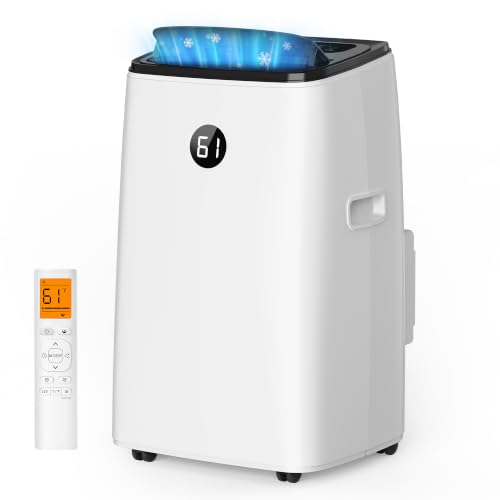
Stand Alone Air Conditioner Without Window Vent
Everything you need to know about cooling a room without a window opening — ventless technologies, practical exhaust alternatives, sizing guidance, and the features that matter before you choose a unit.
Quick overview: A stand alone air conditioner without a window vent is a cooling solution designed for rooms where a traditional window installation is impossible or undesirable. This guide explains the difference between true ventless units and hose-based portable ACs, how each type removes heat, and how to match a unit to your room, climate, and usage habits so you can make a confident purchase decision.
What Does "Without Window Vent" Really Mean?
The phrase is used in two different ways in the cooling market, and understanding the distinction is the single most important step before buying. A true ventless air conditioner does not exhaust air outside at all. A portable air conditioner without a window vent still removes heat, but routes the exhaust through an alternative opening such as a wall, a sliding door, a ceiling void, or a dedicated vent kit rather than a standard window frame.
Refrigerant-based cooling always produces waste heat. A compressor-driven unit cannot simply disappear that heat into the room — if it did, the room would warm up rather than cool down. That physical reality is why most "windowless" portable ACs still ship with a hose and a window or wall kit. Only two mainstream technologies genuinely operate without any exhaust duct: evaporative coolers and thermoelectric (Peltier) units.
Evaporative Coolers
Draw dry outside air across water-saturated pads and blow cooled, humidified air into the room. Effective in arid climates, simple to set up, and require no ducting at all.
Thermoelectric Units
Use solid-state Peltier plates to move heat across a semiconductor junction. Quiet and compact, with modest cooling capacity best suited to small enclosed spaces.
Portable AC with Alternative Venting
Compressor-driven units that exhaust hot air through a hose routed to a wall, door, or ceiling opening. Strong cooling, but still require an exhaust path.
How Stand Alone Units Cool Without a Window
Each ventless or windowless approach uses a different physical principle, and that principle determines where the unit performs well and where it struggles.
Evaporative Cooling (Swamp Coolers)
An evaporative cooler pulls warm, dry outdoor air through a wet cooling pad. As water evaporates, it absorbs heat from the air stream, lowering the temperature before the air is delivered into the room. Because the process adds moisture, these units perform best in low-humidity climates and need a continuous supply of fresh air plus ventilation to avoid a sticky, clammy room. They are a natural fit for garages, workshops, and dry-climate living spaces. You can explore related technology in our guide to the swamp cooler air conditioner and the swamp fan.
Thermoelectric Cooling (Peltier)
Thermoelectric units pass current through semiconductor plates; one side becomes cold and the other hot. A fan moves air across the cold side into the room while a separate fan and heat sink reject warmth from the hot side. There is no compressor and no refrigerant, so the units are silent and compact — but the cooling output is limited, making them best for small rooms, personal cooling, and spaces where quiet operation matters more than raw capacity. Learn more in our overview of the thermoelectric air conditioner and the thermoelectric cooling unit.
Portable AC with Alternative Exhaust Routing
A compressor portable AC collects heat and moisture from the room and rejects it through an exhaust hose. Instead of a window, the hose can be routed through a wall thimble, a sliding glass door with a sealing panel, a drop ceiling, or a purpose-built vent kit. These units deliver the strongest cooling of the three options, but they still need somewhere for the hot air to go. If you are comparing form factors, our guides to stand alone portable air conditioning units and portable air conditioners without a hose break down the trade-offs.
Important: No compressor-based air conditioner can cool a sealed room without rejecting heat somewhere. If a product claims otherwise, verify whether it is actually an evaporative cooler or a thermoelectric device with limited capacity.
Ventless vs. Hose-Based: Side-by-Side Comparison
| Feature | Evaporative Cooler | Thermoelectric Unit | Portable AC with Alternative Venting |
|---|---|---|---|
| Tier | Essential tier | Starter tier | Mid-range to premium |
| Exhaust Required | No duct, but needs ventilation | No duct | Yes, through wall/door/ceiling |
| Cooling Capacity | Moderate in dry air | Low | High |
| Humidity Effect | Adds moisture | Neutral | Removes moisture |
| Best Climate | Arid / low humidity | Any (small rooms) | Any |
| Noise Level | Moderate | Very quiet | Moderate to loud |
| Best For | Garages, workshops, dry climates | Bedrooms, home offices, personal cooling | Living rooms, bedrooms, larger spaces |
How to Choose the Right Unit for Your Space
Start with three questions: how large is the room, what is the climate like, and what exhaust options — if any — are available? The answers point directly to one technology family.
Step 1: Match Capacity to Room Size
Cooling capacity is measured in BTU (British Thermal Units). A rough starting point: 150 to 250 square feet typically calls for 8,000 to 10,000 BTU, and 250 to 400 square feet generally calls for 12,000 to 14,000 BTU. Adjust upward for sun-facing rooms, high ceilings, kitchens with appliances, and multiple occupants. Adjust downward for heavily shaded, well-insulated rooms. Our detailed how to size an air conditioner guide walks through the full calculation.
Step 2: Confirm Your Exhaust Options
If you have a wall you can modify, a sliding door, or a drop ceiling, a hose-based portable AC gives you the strongest cooling. If no opening exists at all, an evaporative cooler (in dry climates) or a thermoelectric unit (for small rooms) is the realistic path. Before installing anything through a wall, check local requirements — our guide on how to get an AC permit covers the basics.
Step 3: Consider Climate and Humidity
Evaporative cooling is only effective in dry air. In humid regions, adding moisture to a room makes it feel worse, so a compressor-based unit that dehumidifies is the better choice. Thermoelectric units are humidity-neutral and work anywhere but are limited by low capacity. If you are weighing a single-hose versus dual-hose design, our dual hose portable air conditioner guide explains why two hoses generally cool more efficiently.
Features Worth Prioritizing
- Adjustable airflow and swing louvers: Direct cooled air where it is needed and improve distribution across the room.
- Programmable timer and sleep mode: Reduces runtime during the hours when full cooling is unnecessary.
- Dehumidification mode: Helpful in humid climates and shoulder seasons when cooling demand is low but moisture is high.
- Washable or replaceable filters: Easier maintenance keeps airflow strong and reduces dust circulation. See our guide on how to clean an AC filter.
- Wi-Fi and smart controls: Useful for scheduling and remote adjustment, especially in rooms used intermittently.
- Castors and low weight: Essential for portable units that move between rooms.
- Quiet operation: Particularly important for bedrooms and home offices. Our quietest portable air conditioners roundup covers the quietest options.
Installation and Placement Tips
Placement strongly affects real-world performance. For evaporative coolers, position the unit near an open door or window so it can draw dry outside air and push cooled air through the room; cross-ventilation is essential. For thermoelectric units, keep the hot-side exhaust clear and avoid enclosing the unit in a cabinet. For hose-based portable ACs, keep the exhaust hose as short and straight as possible, seal the opening around the hose, and avoid kinking. If you are routing exhaust through a wall, our guides to through the wall AC and through the wall air conditioner installers explain professional installation considerations.
For temporary or rented spaces, non-invasive venting through a sliding door panel is often the most practical solution. Our overview of temporary commercial air conditioning units and stores that sell portable air conditioners can help you plan both the setup and where to find the equipment.
Maintenance for Long-Term Performance
Regular maintenance keeps cooling output stable and extends the working life of the unit. Empty and clean the water tank on evaporative coolers frequently to prevent odor and bacterial growth, and replace cooling pads each season. On thermoelectric units, clean or replace the intake filter monthly during heavy use and keep the hot-side vents dust-free. On hose-based portable ACs, clean the filter every two to four weeks, check the hose for cracks, and drain the condensate tank before it overflows. Our AC maintenance guide provides a full seasonal checklist.
Common Mistakes to Avoid
- Buying an evaporative cooler for a humid climate, where it adds moisture instead of providing relief.
- Oversizing or undersizing a unit instead of matching BTU to room conditions.
- Routing a portable AC exhaust hose through a long, kinked path that traps heat.
- Sealing a room completely when using an evaporative cooler, which prevents the airflow it depends on.
- Ignoring filter maintenance, which reduces airflow and cooling efficiency over time.
- Skipping local permit checks before making a permanent wall opening for exhaust.