
The Most Efficient Window Air Conditioner
Your complete guide to understanding window AC efficiency, comparing top-tier models, and choosing an energy-saving unit that fits your home and long-term goals.
Explore Efficiency CriteriaWhy Efficiency Matters: A highly efficient window air conditioner does more than cool a room—it reduces energy consumption, lowers long-term operating demands, and provides more consistent comfort. This guide breaks down exactly what makes a window AC efficient, how to compare models objectively, and which tiers deliver the best performance for different needs. You already know you want a window AC; this page helps you confirm which one is right before you buy.
What Makes a Window Air Conditioner Efficient?
Efficiency in a window air conditioner is not defined by a single spec. It is the result of several engineering decisions working together—compressor type, heat exchanger design, fan efficiency, refrigerant choice, and smart control features. Understanding these factors lets you look past marketing language and evaluate real performance.
1. CEER and EER Ratings
The Energy Efficiency Ratio (EER) is the foundational metric for window AC efficiency. It is calculated as cooling output (BTU) divided by electrical input (watts). A higher EER means more cooling per unit of electricity. The Combined Energy Efficiency Ratio (CEER) is a newer rating that also accounts for standby power and other losses, giving a more realistic picture of seasonal efficiency. When comparing window units, CEER is the most reliable single indicator of real-world performance.
2. Inverter vs. Single-Speed Compressors
Traditional window ACs use a single-speed compressor that cycles on and off. Inverter-driven models adjust compressor speed continuously, matching cooling output to the exact load. This results in steadier temperatures, less wear on components, and significantly lower energy consumption during partial-load conditions—which is most of the time. Inverter window ACs represent the top-tier of efficiency in the category and are well worth considering for long-term use.
3. ENERGY STAR Certification
ENERGY STAR certified window ACs meet or exceed efficiency thresholds set by the U.S. Department of Energy. While certification is a useful filter, it is not the only benchmark—some non-certified models still perform exceptionally well. Use ENERGY STAR as a starting point, then compare CEER values and features directly. For a broader comparison, see our guide to top energy-efficient window air conditioners.
4. Heat Exchanger and Fan Design
Larger, more densely finned coils transfer heat more effectively, allowing the compressor to work less. Efficient fan blades and optimized airflow paths reduce the electrical load of the fan itself. Premium-tier models often feature dual or multi-speed fans that run at lower, quieter speeds during mild conditions, cutting energy use without sacrificing comfort.
5. Smart Features and Programmable Operation
Efficiency is not only about hardware—how the unit is operated matters enormously. Models with programmable schedules, occupancy sensing, and Wi-Fi control can avoid cooling empty rooms and adapt to daily patterns. These features compound the savings from a high-efficiency compressor, making them a worthwhile addition in the mid-range and high-end tiers.
How to Compare Window AC Efficiency at a Glance
When you are evaluating multiple window AC options, a structured comparison prevents decision fatigue. The table below summarizes the key efficiency indicators and what they tell you. Use it as a checklist when reading product specifications.
| Indicator | What It Tells You | Ideal Direction |
|---|---|---|
| CEER Rating | Seasonal efficiency including standby losses | Higher is better |
| EER Rating | Peak cooling efficiency at full load | Higher is better |
| Compressor Type | Inverter vs. single-speed operation | Inverter preferred for efficiency |
| Fan Speeds | Ability to run at lower, efficient speeds | Multiple speeds preferred |
| Smart Controls | Scheduling, occupancy sensing, remote access | More features = better operational efficiency |
| ENERGY STAR | Meets DOE efficiency thresholds | Certified models are a safe baseline |
Window AC Efficiency Tiers: What to Expect
Not every buyer needs the absolute top-tier efficiency, and not every room justifies the investment. The tier system below helps you match expectations to reality, using consistent, neutral descriptors.
Essential Tier
Entry-level window ACs focus on delivering reliable cooling at the most accessible point in the market. They typically use single-speed compressors and meet baseline efficiency standards. They are a solid choice for occasional use, guest rooms, or situations where cooling demand is modest. Efficiency is adequate but not exceptional.
Balanced Tier
Mid-range models improve on the essentials with higher CEER ratings, multi-speed fans, and often programmable thermostats. They represent a good value for their tier and are well-suited to daily use in bedrooms or living spaces. The mid-tier is where most buyers find the best balance of efficiency and features.
Top-Tier / Premium
High-end window ACs use inverter compressors, advanced fan designs, and smart controls to achieve the highest efficiency available in the category. These models are ideal for rooms that are cooled for long hours, or for households that prioritize energy conservation and consistent comfort. They are a long-term investment that pays back through reduced energy demand over years of use.
Matching Window AC Efficiency to Your Room
An efficient AC is only efficient if it is correctly sized. An oversized unit cools too quickly, cycles frequently, and fails to dehumidify properly—wasting energy and creating discomfort. An undersized unit runs continuously, straining components and consuming excessive electricity. The relationship between capacity and room size is the foundation of efficient operation.
Use these general guidelines as a starting point:
- Up to 150 sq ft: 5,000–6,000 BTU — see top-rated 5,000 BTU window air conditioners
- 150–250 sq ft: 8,000–10,000 BTU — see top-rated 10,000 BTU window air conditioner
- 250–400 sq ft: 12,000–14,000 BTU
- 400–550 sq ft: 15,000–18,000 BTU
Adjust upward for sunny rooms, kitchens, rooms with many windows, or spaces with poor insulation. Adjust downward for shaded rooms or rooms that are rarely occupied. For a deeper dive into sizing, review our how to size an air conditioner guide.
Features That Enhance Window AC Efficiency
Beyond the core compressor and coil design, several features meaningfully improve how efficiently a window AC operates in daily use:
Programmable Thermostats
Setbacks during work hours or overnight reduce runtime without sacrificing comfort. A programmable thermostat is one of the most effective efficiency upgrades available. Learn more about thermostats for window AC units.
Wi-Fi and Smart Home Integration
Remote control and scheduling from a smartphone allow you to cool only when needed. Some models integrate with voice assistants and smart routines, further optimizing operation. Explore Wi-Fi-enabled through-the-wall options for related context.
Energy Saver Mode
This mode cycles the fan off when the compressor is not running, reducing fan energy consumption. It is a simple but effective feature found on many mid-range and top-tier units.
Auto Fan Speed
Auto fan adjusts speed based on the difference between setpoint and room temperature, running at lower speeds once the room is conditioned. This reduces noise and energy use simultaneously.
Check Filter Indicators
Dirty filters restrict airflow and force the compressor to work harder. A filter reminder helps maintain efficiency between cleanings. For maintenance guidance, see our related content on troubleshooting air conditioning.
Installation and Placement for Maximum Efficiency
Even the most efficient window AC underperforms if installed poorly. Placement and sealing have a direct impact on energy use and comfort.
- Shade the unit: Direct sunlight on the outdoor portion of the unit increases head pressure and reduces efficiency. A shaded window or an awning helps.
- Seal the perimeter: Gaps around the unit allow outside air in and conditioned air out. Use weatherstripping and foam insulation to create a tight seal.
- Tilt slightly outward: Proper drainage prevents water accumulation and ensures the unit operates as designed.
- Keep the airflow path clear: Do not block the front grille or the outdoor vents. Furniture and curtains should be kept away from both sides.
- Match the window orientation: North-facing windows receive less direct sun, reducing load and allowing a smaller, more efficient unit to perform well.
If you are considering a through-the-wall installation instead, our 110-volt through-the-wall air conditioner guide covers electrical and sizing considerations.
Maintenance Habits That Preserve Efficiency
Window ACs require minimal maintenance, but a few regular habits keep them running at peak efficiency for years:
- Clean or replace the filter every 2–4 weeks during heavy use. A clogged filter is the most common cause of reduced efficiency.
- Inspect and clean the coils annually. Dust and debris on the evaporator or condenser coils reduce heat transfer.
- Check the seal around the unit each season. Reapply weatherstripping as needed.
- Listen for unusual sounds. Grinding or rattling can indicate a failing component, which reduces efficiency and may lead to failure.
- Schedule professional service every few years. A technician can clean inaccessible components, check refrigerant levels, and verify electrical connections.
For a comprehensive seasonal checklist, see our summer heating and cooling resource.
Energy-Saving Strategies with Your Window AC
The efficiency of your unit is multiplied by how you use it alongside your home environment. Consider these strategies:
- Use ceiling fans: Fans circulate cool air, allowing you to raise the thermostat setpoint without discomfort. This reduces compressor runtime. Read more on summer heating and cooling strategies.
- Close off unused rooms: Cooling only the spaces you occupy reduces overall demand.
- Block heat gain: Close blinds during peak sun hours, use curtains, and seal air leaks around windows and doors.
- Cook and dry laundry during cooler hours: Appliances generate heat; managing their use reduces the load on your AC.
- Set a realistic temperature: Aim for a comfortable setpoint rather than the coldest possible. Each degree of extra cooling increases energy use proportionally.
Common Mistakes That Undermine Window AC Efficiency
Even a top-tier unit can underperform if you fall into these traps:
- Buying an oversized unit: More capacity does not mean better cooling—it means shorter, inefficient cycles and poor humidity control.
- Ignoring the CEER rating: Two units with the same BTU capacity can have very different operating efficiency.
- Skipping filter maintenance: A dirty filter can increase energy use significantly within weeks.
- Poor sealing: Gaps around the installation waste cool air and let warm air in.
- Placing the unit in direct sun: Solar gain on the unit itself reduces its effective efficiency.
- Setting the temperature too low: Pushing the setpoint far below a comfortable level wastes energy without meaningfully improving comfort.
Who Should Choose Which Efficiency Tier?
| Tier | Best For | Key Characteristics |
|---|---|---|
| Essential Tier | Occasional use, guest rooms, short cooling seasons | Single-speed compressor, baseline efficiency, simple controls |
| Balanced Tier | Daily use in bedrooms or living rooms | Higher CEER, multi-speed fans, programmable thermostat |
| Top-Tier / Premium | Long-hour cooling, efficiency-focused households, larger rooms | Inverter compressor, highest CEER, smart controls, premium build |
Highly Efficient Window Air Conditioners to Consider
⚠️ AFFILIATE DISCLOSURE: This website contains affiliate links. As an Amazon Associate, we earn from qualifying purchases. If you make a purchase through these links, we may receive a small commission at no additional cost to you. Read our full affiliate policy.

GE Window Air Conditioner 5,000 BTU AC Unit for Small Spaces up to 150 sq ft with Manual Controls & 2 Cooling Modes, Easy Install Kit, White
Check price on Amazon
Midea 8,000 BTU Smart Inverter Air Conditioner Window Unit with Heat and Dehumidifier – Cools up to 350 Sq. Ft., Energy Star Rated, Quiet Operation, Electronic Controls, Remote Control, White
Check price on Amazon
Frigidaire Gallery 8,000 BTU Smart Inverter Window Air Conditioner with Wi-Fi, Energy Star Most Efficient Certification & Indoor Air Quality Monitoring, Cools Up to 350 Sq. Ft., Ultra Quiet, White
Check price on Amazon
Midea 5,000 BTU EasyCool Small Window Air Conditioner - Cool up to 150 Sq. Ft. with Easy-to-Use Mechanical Controls and Reusable Filter, Perfect for Small Bedroom, Living Room, Home Office
Check price on Amazon
Midea 10,000 BTU U Shaped Window Air Conditioner, Cools up to 450 Sq Ft | Ultra Quiet U-Shaped Design, Inverter Control, Open Window Flexibility, Alexa/Google Assistant, 37% Energy Savings, 2026 New
Check price on Amazon
Frigidaire 5,000 BTU Window-Mounted Air Conditioner, Cools Up to 150 Sq. Ft., Quiet Operation, Effortless Temperature Control, 2 Fan Speeds, Auto Restart, White
Check price on Amazon
ROVSUN 12000 BTU Air Conditioner Window Unit with Heat, 4-in-1 Window AC Unit Cooler, Heater, Dehumidifier & Fan with Timer, Remote Control & Installation Kit for Rooms up to 550 Sq. Ft, 208/230V
Check price on Amazon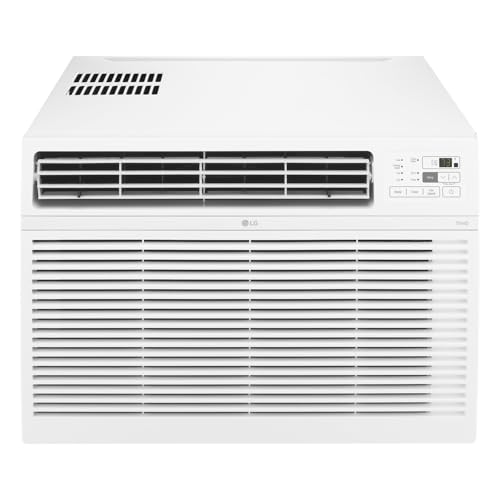
LG 24,500 BTU Smart Window Air Conditioner, 230/208V, Cools Room up to 1560 Sq. Ft. for Bedrooms, Living Room, Apartments, with Remote, 3 Fan Speeds, 24-Hour Timer, White
Check price on AmazonFrequently Asked Questions
Ready to Choose Your Efficient Window AC?
You now understand what makes a window air conditioner efficient, how to compare models, and which tier matches your needs. Explore our curated selection of highly efficient window ACs above, or continue learning with our related guides.
View Recommended ModelsRelated Reading
- Top Energy-Efficient Window Air Conditioners
- The Most Energy-Efficient Window Air Conditioner
- How to Size an Air Conditioner
- Top-Rated 5,000 BTU Window Air Conditioners
- Top-Rated 10,000 BTU Window Air Conditioner
- 110-Volt Through-the-Wall Air Conditioner
- Troubleshooting Air Conditioning
- Summer Heating and Cooling
- Thermostat for Window AC Unit