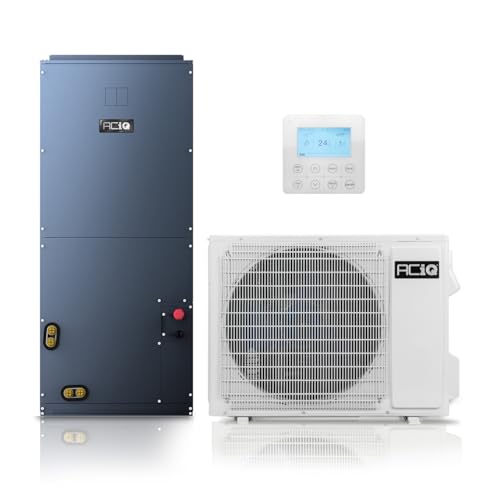
Thermostat for Heat Pump and Air Conditioning
A complete buyer's guide to understanding compatibility, features, and the right thermostat for your heat pump and air conditioning system
START LEARNINGWhy This Guide Matters: A thermostat is the command center of your HVAC system. Choosing the wrong one can reduce efficiency, cause short cycling, and even damage your heat pump. This guide helps you understand what matters before you buy.
What Is a Heat Pump Thermostat?
A thermostat for heat pump and air conditioning is a control device specifically designed to manage both heating and cooling functions of a heat pump system. Unlike standard thermostats that simply toggle between "heat" and "cool," heat pump thermostats are engineered to handle the unique operational requirements of heat pumps — including defrost cycles, auxiliary heat staging, and reversing valve control.
Heat pumps work differently from conventional furnaces. They move heat rather than generate it, which means they need a thermostat that understands how to balance compressor operation with auxiliary heating elements. Using a standard thermostat on a heat pump can lead to inefficient operation, frequent cycling, and premature equipment wear.
Why You Need a Compatible Thermostat
Heat pump systems require thermostats with specific capabilities. Here is why compatibility matters:
- Reversing Valve Control: Heat pumps use a reversing valve to switch between heating and cooling. The thermostat must be able to control this valve properly.
- Auxiliary Heat Staging: During very cold weather, heat pumps rely on auxiliary or emergency heat. A compatible thermostat manages this staging to maintain comfort without excessive energy use.
- Defrost Cycle Management: Heat pumps periodically enter defrost mode. The thermostat must coordinate with the system during this cycle to prevent cold drafts.
- Multi-Stage Operation: Many modern heat pumps are multi-stage or variable-speed. The right thermostat can take full advantage of these efficiency features.
If you are also exploring broader system-level controls, you may find our guide on thermostats for HVAC systems useful for understanding how thermostats integrate with different equipment types.
Types of Thermostats for Heat Pump and AC
1. Non-Programmable Thermostats
These are the simplest models. You set a temperature manually, and the thermostat maintains it. They are entry-level devices best suited for users who prefer minimal interaction or for secondary spaces where scheduling is not critical. They offer basic reliability but lack energy-saving automation.
2. Programmable Thermostats
Programmable models allow you to set schedules for different times of day and days of the week. Mid-range programmable thermostats for heat pumps typically include multi-stage support, auxiliary heat control, and vacation modes. They are a solid choice for households with predictable routines and can help reduce energy consumption through consistent scheduling.
3. Smart Thermostats
Smart thermostats represent the top-tier category. They learn your preferences, adjust automatically based on occupancy, and can be controlled remotely via smartphone apps. Many premium smart thermostats include heat pump-specific features such as dual-fuel support, auxiliary heat lockout, and detailed energy reports. They are ideal for tech-savvy users who want maximum efficiency and convenience.
4. Remote Sensor Thermostats
These thermostats use remote sensors placed in different rooms to average temperatures or prioritize specific zones. They are particularly useful in homes with uneven temperature distribution and can work well with zoned heat pump systems. For more advanced multi-zone control, explore our resource on three-zone mini-split systems.
Key Features to Look For
When selecting a thermostat for heat pump and air conditioning, prioritize features that align with your system's capabilities and your lifestyle:
| Feature | Why It Matters | Best For |
|---|---|---|
| Heat Pump Compatibility | Ensures proper reversing valve and auxiliary heat control | All heat pump owners |
| Multi-Stage Support | Manages systems with multiple heating/cooling stages efficiently | Multi-stage and variable-speed systems |
| Dual-Fuel Capability | Coordinates heat pump with a backup furnace | Homes with hybrid heating systems |
| Wi-Fi Connectivity | Remote control, scheduling, and energy monitoring | Tech-savvy users and frequent travelers |
| Geofencing | Adjusts temperature based on your location | Households with variable schedules |
| Auxiliary Heat Lockout | Prevents unnecessary auxiliary heat use, improving efficiency | Energy-conscious users in mild climates |
| C-Wire Compatibility | Provides stable power for advanced features | Smart thermostat installations |
Understanding Thermostat Wiring and C-Wire
Most modern thermostats — especially smart models — require a C-wire (common wire) to provide continuous power. If your current system lacks a C-wire, you may need an adapter or professional installation. Our detailed guide on thermostat C-wire explains what it is, why it matters, and how to check if your system has one.
Heat pump systems typically use more wires than conventional systems because they need to control the reversing valve, auxiliary heat, and compressor stages. Before purchasing any thermostat, verify the number of wires available at your current thermostat location and confirm compatibility with your heat pump model.
Common Heat Pump Thermostat Problems
Even well-chosen thermostats can develop issues. Here are some common problems and what they typically indicate:
- Thermostat not cooling: Could be a wiring issue, a faulty thermostat, or a system problem. See our troubleshooting guide on thermostat not cooling for diagnostic steps.
- Thermostat blank and AC not working: Often related to power loss, tripped breaker, or a blown fuse. Our article on thermostat is blank and AC not working walks through the checks.
- AC not blowing cold air: The thermostat may be set incorrectly or there may be a system-level issue. Review our guide on thermostat not blowing cold air.
- Thermostat set to cool but not cooling: This can point to a compressor issue, low refrigerant, or thermostat misconfiguration. See thermostat set to cool but not cooling.
Thermostat Options by System Type
Different HVAC configurations call for different thermostat features. Here is a quick breakdown:
- Heat pump and AC combo: The primary focus of this guide — look for heat pump compatibility, auxiliary heat control, and multi-stage support.
- Central air and heat: If your system is a conventional central AC with a furnace, our guide on thermostat for central air and heat covers the appropriate options.
- Split system: For ductless or split systems, see thermostat for split system for compatibility considerations.
- AC and heat: General-purpose guide available at thermostat for AC and heat.
- Home heating and cooling: For whole-home comfort control, check thermostat for home heating and cooling.
Smart Thermostats for Heat Pumps
Smart thermostats are increasingly popular for heat pump systems because they can optimize performance in ways manual thermostats cannot. Top-tier smart models often include:
- Learning algorithms that adapt to your schedule
- Energy usage reports and efficiency recommendations
- Remote access via smartphone
- Integration with voice assistants
- Heat pump-specific settings such as compressor lockout and auxiliary heat thresholds
Some premium smart thermostats are specifically designed for heat pumps and include dual-fuel support for homes that use a heat pump as the primary system with a gas furnace as backup. These professional-grade options offer the most precise control and are a worthwhile investment for long-term efficiency.
How to Choose the Right Thermostat
Follow these steps to make an informed decision:
- Identify your system type: Confirm whether you have a heat pump, conventional system, or dual-fuel setup.
- Check wiring: Count the wires at your current thermostat and look for a C-wire. If unsure, consult a professional or use our C-wire guide.
- Determine your priorities: Decide whether you want basic operation, programmable scheduling, or full smart features.
- Verify compatibility: Check the manufacturer's compatibility guide for your specific heat pump model. Many brands provide online tools for this.
- Consider installation: Smart thermostats often require professional installation, especially if a C-wire is missing or the wiring configuration is complex.
- Review available tiers: Entry-level models cover basic needs; mid-range models offer scheduling and multi-stage support; premium and top-tier models add smart features and advanced heat pump controls.
Installation Tips and Best Practices
Proper installation is critical for thermostat performance. Keep these points in mind:
- Turn off power to the HVAC system at the breaker before starting any wiring work.
- Label wires before disconnecting them — mislabeling is a common source of problems.
- Mount the thermostat on an interior wall away from direct sunlight, drafts, and heat sources.
- Seal the hole behind the thermostat to prevent drafts from affecting temperature readings.
- Follow the manufacturer's configuration steps carefully, especially for heat pump-specific settings.
- Test both heating and cooling modes after installation to confirm correct operation.
Maintenance and Troubleshooting
Regular maintenance helps your thermostat and heat pump system perform reliably:
- Replace batteries annually or as recommended (for battery-powered models).
- Clean the thermostat screen and vents gently with a dry cloth.
- Check for firmware updates on smart thermostats.
- Verify that schedules and settings remain appropriate for the season.
- If you notice inconsistent temperatures or system behavior, refer to troubleshooting resources or contact a qualified HVAC technician.
For a broader look at maintaining comfort across seasons, our guide on summer heating and cooling offers additional practical tips.
Frequently Asked Questions
Can I use a regular thermostat with a heat pump?
No — heat pumps require thermostats specifically designed for heat pump operation. A standard thermostat cannot properly control the reversing valve or auxiliary heat, which can lead to inefficiency and equipment damage.
Do I need a C-wire for a smart thermostat on a heat pump?
Most smart thermostats require a C-wire for continuous power. If your system does not have one, you may need a C-wire adapter or professional installation. Check our C-wire guide for details.
What is auxiliary heat and why does it matter?
Auxiliary heat is backup heating used when the heat pump cannot meet demand — typically during very cold weather. A compatible thermostat manages auxiliary heat staging to maintain comfort while minimizing energy use.
How often should I replace my thermostat?
Thermostats typically last 10–15 years. Consider upgrading if you experience frequent issues, want smart features, or are installing a new heat pump system that requires updated controls.
Can a thermostat cause my AC not to cool?
Yes — a faulty thermostat, incorrect settings, or wiring issues can prevent the AC from cooling. See our troubleshooting guide on thermostat not cooling for diagnostic steps.
What is dual-fuel thermostat capability?
Dual-fuel thermostats coordinate a heat pump with a backup furnace, automatically selecting the most efficient heating source based on outdoor temperature. This is useful for hybrid heating systems.
Ready to Choose the Right Thermostat?
Explore our recommended thermostat options for heat pump and air conditioning systems below. Compare features, compatibility, and tiers to find the best fit for your home.
VIEW RECOMMENDATIONS