Stand Up Air Conditioners: The Complete Guide
Everything you need to know about freestanding portable cooling units — how they work, how to size them, where to place them, and which tier fits your needs.
START LEARNINGAC Units Guide Philosophy: We believe that well-informed buyers make confident decisions. This guide is designed for research-stage shoppers who already know they want a stand up air conditioner but need clear, trustworthy information before choosing a model.
What Is a Stand Up Air Conditioner?
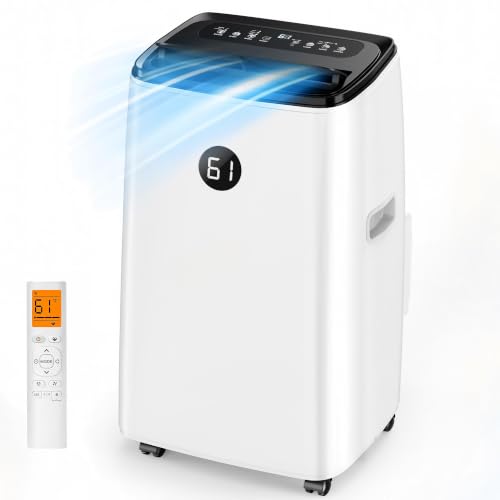
A stand up air conditioner — also called a freestanding portable AC, a standing air conditioner, or a spot cooler — is a self-contained cooling unit that sits on the floor and can be wheeled from room to room. Unlike window units that must be mounted in a wall or window frame, a stand up unit offers placement flexibility: you simply position it where cooling is needed and route the exhaust hose out a window or wall opening.
These units are especially useful for renters, homeowners without ductwork, and anyone who needs targeted cooling for a single room. If you are exploring broader portable cooling options, our stand-alone portable air conditioning units overview covers the full category, while this page focuses specifically on the upright, floor-standing format.
How Stand Up Air Conditioners Work
A stand up AC draws in warm room air, passes it over an evaporator coil filled with refrigerant, and blows cooled air back into the room. The heat absorbed from the room, along with the heat generated by the compressor, is expelled through an exhaust hose. This is why proper venting is essential — without it, the unit simply recirculates hot air and cannot cool effectively.
Most models include a window vent kit with a sliding panel and hose adapter. Some advanced units use a dual-hose design that separates intake and exhaust airflow for better efficiency. The stand-up air conditioning unit format is distinct from mini-splits and central systems because it requires no permanent installation and no outdoor condenser.
Types of Stand Up Air Conditioners
Not all freestanding units are built the same. Understanding the main configurations helps you match the unit to your room and climate.
Single-Hose Portable Units
The most common and entry-level design. A single hose exhausts hot air out the window. Because the unit pulls replacement air from the room, single-hose models create slight negative pressure, which can draw warm outside air back in through gaps. They are simple to set up and work well for smaller rooms with moderate cooling demands. For a closer look at this category, see our guide to stand-alone air conditioner units.
Dual-Hose Portable Units
Dual-hose models use one hose to draw in outside air for cooling the condenser and a second hose to exhaust hot air. This balanced airflow avoids negative pressure and is generally more efficient in the long run. They are a solid choice for mid-range and high-end tier shoppers who want better performance in warmer rooms.
Ventless and Spot Cooler Variants
Some compact units — often marketed as spot coolers — are designed for personal, close-range cooling rather than whole-room comfort. These are useful for desks, workshops, or garages. If you need cooling without a window nearby, explore options for a stand-alone air conditioner without window vent, keeping in mind that true ventless operation comes with performance trade-offs.
Heating and Cooling Combos
Many standing units include a heat pump mode for year-round use. These are covered in more detail in our standing air conditioners guide, which explains how reversible models handle both summer cooling and shoulder-season heating.
How to Size a Stand Up Air Conditioner
Correct sizing is the single most important factor in satisfaction. An undersized unit runs constantly and never quite cools the room; an oversized unit cools quickly but cycles on and off, leaving humidity high and comfort uneven.
BTU by Room Size
Portable units typically range from about 8,000 BTU to 14,000 BTU. As a general guideline:
- 8,000–10,000 BTU: rooms up to roughly 250 square feet
- 10,000–12,000 BTU: rooms up to roughly 350 square feet
- 12,000–14,000 BTU: rooms up to roughly 500 square feet
These figures assume standard ceiling height, average insulation, and moderate sun exposure. Add capacity for south- or west-facing windows, kitchens, rooms with many occupants, or top-floor locations. Our detailed how to size an air conditioner article walks through the full calculation, and the BTU calculator by room size gives you a quick number.
Why Portable BTU Ratings Differ from Window Units
Portable AC BTU ratings can be confusing because some manufacturers list "cooling capacity" differently from window units. Always compare the DOE SACC (Seasonally Adjusted Cooling Capacity) rating when available, as it reflects real-world performance. The most efficient portable air conditioner roundup explains how to read these labels.
Efficiency, Venting, and Running a Stand Up AC
Efficiency matters for comfort and for long-term energy use. Here is what to look for.
Efficiency Ratings
Check for a CEER (Combined Energy Efficiency Ratio) rating. Higher numbers mean more cooling per unit of electricity. Inverter-driven compressors — the same technology used in inverter AC systems — modulate speed instead of cycling on and off, which improves efficiency and temperature stability. For a deeper dive, see our guide to the most energy efficient portable air conditioner.
Venting Best Practices
Seal the window kit tightly with the included foam or plastic panels. Keep the exhaust hose as short and straight as possible — long, kinked hoses reduce performance. Do not run a single-hose unit in a sealed room for extended periods without allowing some make-up air, or efficiency will drop.
Placement Tips
Place the unit near the window you will vent through, keep it away from direct sunlight, and ensure at least 12–18 inches of clearance around the air intake and exhaust. Avoid corners where hot exhaust can recirculate. For placement in specific spaces, our guides on tower air conditioners and surface mount air conditioners cover alternative form factors.
Stand Up AC vs. Other Cooling Options
| Feature | Stand Up Portable AC | Window AC | Mini-Split |
|---|---|---|---|
| Installation | No permanent install; window vent kit | Window or wall frame required | Professional installation |
| Portability | High — wheels from room to room | Low — fixed in place | None — fixed indoor/outdoor units |
| Best For | Renters, single rooms, temporary spaces | Bedrooms, small rooms with suitable windows | Whole-home or multi-zone comfort |
| Efficiency Tier | Entry to mid-tier; dual-hose and inverter models improve performance | Mid-tier to high-end tier | Top-tier efficiency |
| Noise Level | Moderate to high (compressor inside room) | Moderate | Low (compressor outdoors) |
If you are comparing formats, our overview of standing air conditioning units and the through-the-wall AC guide can help you weigh alternatives.
Choosing by Tier: Entry-Level to High-End
Rather than focusing on numbers, think about where a unit sits in the market and what that means for build quality and features. Here is a consistent three-tier framework for stand up air conditioners.
Entry-Level Tier
- Single-hose design
- Mechanical or basic digital controls
- Standard casters and window kit
- Good value for its tier in small rooms
- Best for occasional or short-term use
Mid-Range Tier
- Dual-hose or improved single-hose airflow
- Programmable timers and remote control
- Self-evaporative condensate handling
- Competitive within its class for efficiency
- Best for daily bedroom or living room use
High-End Tier
- Inverter compressor for steadier cooling
- Wi-Fi and app-based smart controls
- Heat pump mode for year-round use
- Quieter operation and premium materials
- Best for long-term, whole-room comfort
Mid-range models typically offer smoother operation and better humidity control than entry-level units, while high-end tier units justify their position with inverter technology and smart features. For quiet-focused buyers, see our top 10 quietest portable air conditioners list.
Maintenance Tips for Long-Term Performance
Stand up ACs are low-maintenance but not maintenance-free. A few habits extend the life of your unit and keep cooling strong:
- Clean or replace the filter every two weeks during heavy use. A clogged filter strains the compressor.
- Drain the condensate tank regularly, or use continuous drain mode if your unit supports it.
- Inspect the exhaust hose for kinks, cracks, or loose connections each season.
- Store the unit upright during the off-season and cover it to keep dust out of the coils.
For troubleshooting common issues, our troubleshooting air conditioning guide covers symptoms like weak airflow and warm air output. If you are comparing temporary or commercial-duty options, the temporary commercial air conditioning units page is a useful reference.
Ready to Compare Stand Up Air Conditioners?
Use our product recommendations below to explore models across tiers and features, then check availability at your preferred retailer.
VIEW RECOMMENDATIONSFrequently Asked Questions
A stand up air conditioner is a freestanding, portable cooling unit that can be moved from room to room. It sits on the floor, uses a hose to exhaust hot air through a window or wall opening, and requires no permanent installation.
Match BTU to room square footage. As a general guide: 8,000–10,000 BTU for up to 250 sq ft, 10,000–12,000 BTU for up to 350 sq ft, and 12,000–14,000 BTU for up to 500 sq ft. Increase capacity for sunny rooms, high ceilings, or multiple occupants.
Yes. Most stand up ACs must exhaust hot air through a window or wall opening. Without proper venting, the unit recirculates heat and cannot cool effectively. Some models offer brief ventless operation, but sustained cooling requires venting.
Efficiency varies by model. Look for a high CEER rating, dual-hose design, and inverter compressor technology. Dual-hose and inverter models are generally more efficient in the long run than basic single-hose units.
Portable units are designed for single-room cooling. While some cool air may drift into adjacent spaces, a stand up AC is most effective when used in one enclosed room with the doors closed. For multi-room cooling, consider a mini-split or central system.