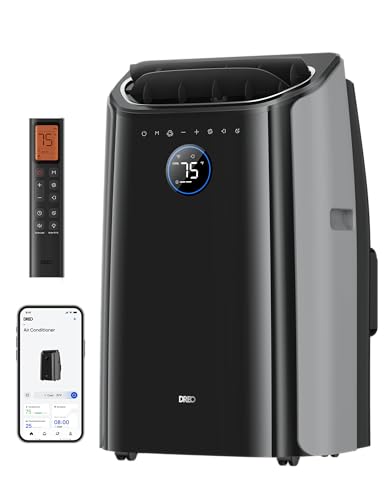
Ventless Air Conditioning Units: The Complete Guide
Discover how ventless air conditioning units work, explore the different types available, weigh the pros and cons, and learn how to choose the right model for rooms where traditional ductwork or window venting is not an option.
EXPLORE VENTLESS OPTIONSWhy ventless cooling matters: Many homes, apartments, and commercial spaces have no ductwork, no available window, or strict building rules that prevent cutting ventilation holes. Ventless air conditioning units solve this by providing cooling without requiring an outdoor exhaust duct. This guide walks you through every option so you can decide with confidence before you buy.
What Are Ventless Air Conditioning Units?
Ventless air conditioning units are cooling systems designed to operate without a traditional exhaust vent or outdoor condenser duct. Instead of pushing hot air outside through a duct, these systems either use a self-contained design, a compact outdoor unit connected only by refrigerant lines, or an evaporative cooling process. This makes them well suited for spaces where installing ductwork is impractical or where building regulations restrict structural modifications.
It is important to understand that "ventless" does not mean "no heat rejection." All air conditioners must move heat somewhere. Ventless designs handle this heat in different ways, and understanding those differences is the key to choosing the right unit. For a broader overview of how these systems fit into the wider market, see our guide on types of air conditioning units.
How Ventless Air Conditioning Units Work
The operating principle depends on the type of ventless unit. Ductless mini-splits use refrigerant lines to transfer heat to a small outdoor unit, so no large air duct is needed through the wall. Self-contained wall units reject heat through the building envelope using a compact rear section. Evaporative ventless coolers use water evaporation to lower air temperature and add moisture to the air. Each approach has its own installation requirements, efficiency profile, and ideal use case.
Understanding airflow and ventilation is essential when planning any cooling setup. Our resource on ventilation systems explains the fundamentals that apply to all cooling equipment.
Types of Ventless Air Conditioning Units
Ductless Mini-Split Systems
A wall-mounted indoor head connected to a small outdoor compressor by refrigerant lines. No ductwork is required, and only a small hole is needed for the line set. These are the most versatile ventless option for whole-room and multi-zone cooling.
Wall-Mounted Self-Contained Units
These units mount on an exterior wall and reject heat through the wall itself using a compact rear section. They are popular in apartments and older buildings where window installation is not allowed.
Ventless Evaporative Coolers
Also called swamp coolers, these portable units use water evaporation to cool the air. They add humidity, so they work best in dry climates and should not be used in already humid spaces.
Portable Ventless Cooling Units
Compact floor-standing units designed for spot cooling. True ventless portable models use evaporative cooling, while compressor-based portables still require an exhaust hose. Always confirm the design before buying.
Ceiling Cassette Units
Mounted flush in the ceiling and connected to an outdoor unit by refrigerant lines, cassette systems distribute air in multiple directions. They are ideal for commercial spaces and large rooms with no duct route.
Through-the-Wall Ventless Models
These fit into a wall sleeve and reject heat through the wall assembly. They are a practical middle ground between window units and mini-splits for rooms with limited window access.
For a deeper look at ductless options, read our guide to wall-mounted air conditioners without an outdoor unit and the comparison of wall air conditioners without outdoor units.
Pros and Cons of Ventless Cooling
Advantages
- No ductwork installation or major structural changes
- Ideal for apartments, rentals, and historic buildings
- Zone cooling lets you cool only the rooms in use
- Many models install quickly with minimal disruption
- Quieter operation than many window units
Limitations
- Evaporative models add humidity and suit dry climates only
- Some units need an exterior wall for heat rejection
- Mini-splits still require an outdoor condenser
- Cooling capacity may be limited for very large spaces
- Professional installation is recommended for best results
Ventless AC Types Compared
| Type | Best For | Venting Requirement | Tier |
|---|---|---|---|
| Ductless Mini-Split | Whole-room cooling, multi-zone homes | Small wall hole for line set | Premium |
| Wall-Mounted Self-Contained | Apartments and buildings without windows | Exterior wall required | Mid-range |
| Ventless Evaporative Cooler | Dry climates, open living areas | None | Entry-level |
| Portable Ventless Cooler | Spot cooling, renters, temporary use | None (evaporative only) | Essential tier |
| Ceiling Cassette | Commercial spaces, large rooms | Refrigerant lines to outdoor unit | Professional-grade |
| Through-the-Wall | Rooms with limited window access | Wall sleeve | Mid-tier |
Installation Considerations
Before choosing a ventless unit, evaluate your wall construction, electrical capacity, and building rules. Mini-splits and through-the-wall models require a suitable exterior wall and, in some cases, a dedicated circuit. Evaporative and portable ventless coolers need only a standard outlet and a water supply for some models. If your project involves a wall sleeve or exterior bracket, review our notes on wall sleeves for through-the-wall air conditioners for planning details.
How to Choose the Right Ventless Unit
Start with room size and heat load. A room with large windows, poor insulation, or many occupants needs more cooling capacity than a shaded interior room of the same size. Second, consider climate: evaporative ventless coolers perform well in dry climates but struggle in humid areas. Third, think about noise and placement: mini-split indoor heads and cassette units are typically quieter than self-contained wall models. Finally, decide between single-zone and multi-zone setups if you plan to cool more than one room. For spaces where a window is available but you want a cleaner look, explore U-shaped air conditioners as an alternative.
If you need cooling in a specialized space, such as a small apartment, review our recommendations for wall-mounted air conditioners for apartments and wall-mounted air conditioners for small rooms.
Maintenance Tips for Ventless Units
Routine maintenance keeps ventless systems efficient and extends their service life. Clean or replace filters monthly during peak season, keep the outdoor section of mini-splits clear of debris, and drain and clean evaporative cooler water tanks regularly to prevent mold and mineral buildup. For self-contained wall units, inspect the rear heat-rejection section for dust and obstructions. A seasonal check by a qualified technician is recommended for refrigerant-based systems.
Frequently Asked Questions
Do ventless air conditioning units really need no venting?
True ventless designs, such as evaporative coolers, require no exhaust vent. However, most compressor-based systems still reject heat somewhere, either through an exterior wall or a small outdoor unit. Always confirm the installation requirements for the specific model.
Are ventless AC units suitable for humid climates?
Evaporative ventless coolers are not ideal for humid climates because they add moisture. In humid areas, choose a ductless mini-split or self-contained wall unit that dehumidifies as it cools.
Can I install a ventless unit myself?
Plug-in evaporative and portable units are generally user-installable. Mini-splits and through-the-wall systems involve refrigerant handling and structural work, so professional installation is strongly recommended.
How do ventless units compare to window AC units?
Ventless units avoid blocking a window and often operate more quietly. Window units are usually simpler to install but require an available window and may be restricted by building rules.
Ready to Choose Your Ventless Cooling Solution?
Browse our curated recommendations below and compare the best ventless air conditioning units for your space.
View Recommended Units