What Should Your Basement Humidity Be?
Discover the ideal basement humidity range, why it matters for your health and home structure, and how to keep moisture under control year-round.
Quick overview: Basement humidity should generally stay between 30% and 50% relative humidity (RH), with 40% to 50% being the sweet spot for most homes. Anything consistently above 55% creates a favorable environment for mold, mildew, and structural damage, while levels below 30% can dry out wood and cause static buildup.
The Short Answer: Ideal Basement Humidity
For most basements, the ideal relative humidity is 40% to 50%. This range keeps the space comfortable, discourages mold growth, and protects stored belongings.
- 30% – 50% RH: Acceptable range for most basements.
- 40% – 50% RH: Ideal target for year-round comfort and mold prevention.
- Above 55% RH: Too humid — mold risk, musty odors, condensation, and possible structural damage.
- Below 30% RH: Too dry — wood cracking, static electricity, and respiratory discomfort.
Why Basement Humidity Matters More Than You Think
Basements are naturally prone to moisture problems. Because they sit below grade, they are in constant contact with soil, groundwater, and humid air that seeps through concrete walls and floors. Unlike upper floors, basements often lack adequate ventilation and are cooler, which allows moisture to condense on surfaces.
When basement humidity climbs above 55%, several problems begin to emerge:
- Mold and mildew growth — mold spores thrive in humid, dark environments and can spread across drywall, wood framing, and stored items within days.
- Musty odors — persistent damp smells that can travel up into living areas of your home.
- Structural damage — moisture weakens wood, causes paint to peel, and can degrade concrete over time.
- Health concerns — mold spores and dust mites are common triggers for allergies and respiratory issues.
- Pest attraction — insects like silverfish, centipedes, and termites are drawn to damp environments.
- Damage to stored belongings — photos, documents, furniture, and electronics are vulnerable to moisture damage.
Understanding the general humidity targets for your whole home is also important, as basement readings often influence the rest of the house. For a broader perspective, see our guide on the ideal humidity for your home.
Basement Humidity Levels Explained
The table below breaks down relative humidity ranges and what each means for your basement environment.
| Humidity Range (RH) | Classification | What It Means | Best For |
|---|---|---|---|
| Below 30% | Too Dry | Wood may crack, static electricity builds up, and respiratory irritation can occur. | Not recommended as a sustained target. |
| 30% – 40% | Acceptable | Lower end of comfort; acceptable if you have moisture-sensitive items. | Storage-focused basements. |
| 40% – 50% | Ideal | Optimal balance — comfortable, mold-resistant, and protective of stored items. | Most finished and unfinished basements. |
| 50% – 55% | Caution | Upper limit of acceptable; monitor closely during humid seasons. | Short-term tolerance only. |
| Above 55% | Too Humid | High risk of mold, musty odors, condensation, and material damage. | Requires immediate corrective action. |
Seasonal Variations in Basement Humidity
Basement humidity is rarely constant. It changes with the seasons, weather, and how your home is used. Understanding these patterns helps you adjust your moisture control strategy.
Summer: The Highest Risk Period
Summer is typically the most challenging season for basement humidity. Warm outdoor air holds more moisture, and when it enters a cooler basement, it condenses on walls and floors. Air conditioning upstairs can also contribute by cooling the home while leaving the basement damp and unventilated. During this period, target the lower end of the ideal range — around 40% to 45%.
If your home's overall humidity is also climbing in summer, see our guide on what humidity your house should be in summer.
Winter: Drier but Still Variable
Winter generally brings lower humidity, but basements can still retain moisture from the ground. In heated homes, the relative humidity inside can drop significantly, sometimes below 30%. A basement-specific hygrometer helps you monitor the actual conditions. For a broader seasonal reference, our article on indoor humidity in winter is a helpful companion read.
Spring and Fall: Transitional Periods
These seasons often bring rain and fluctuating temperatures, which can push basement humidity up and down. Monitoring during these months helps you catch problems early before they become serious.
Common Causes of High Basement Humidity
Poor Ventilation
Basements with limited airflow trap moisture, especially in older homes without mechanical ventilation.
Moisture Through Concrete
Concrete is porous. Water vapor from soil can wick through walls and floors, raising indoor humidity.
Inadequate Drainage
Clogged gutters, poor grading, or faulty downspouts can direct water toward the foundation.
Humid Outdoor Air
Open windows and cracks allow humid outdoor air to enter and condense in cooler basement spaces.
Household Activities
Laundry, showers, and cooking release moisture that can migrate to the basement.
Plumbing Leaks
Even small, slow leaks can raise humidity over time and create ideal conditions for mold.
If you notice persistent humidity issues throughout your home, our guide on what to do about high humidity in your house offers actionable steps.
How to Measure Basement Humidity
You cannot manage what you do not measure. A simple digital hygrometer provides accurate readings and helps you track trends over time.
- Use a digital hygrometer: Place it at eye level in the center of the basement, away from direct sunlight, vents, and exterior walls.
- Monitor consistently: Check readings daily for the first week, then weekly once conditions stabilize.
- Track seasonal trends: Note changes during summer, winter, and rainy periods.
- Check multiple zones: Larger basements may have different humidity levels in different areas.
Watch for These Warning Signs
Condensation on pipes or windows, damp spots on walls or floors, musty odors, peeling paint, and visible mold are all signs that basement humidity is too high and requires immediate attention.
How to Keep Basement Humidity in the Ideal Range
Controlling basement humidity is a combination of prevention and active management. The most effective approach involves several complementary strategies.
1. Improve Ventilation
Proper airflow helps moisture escape before it accumulates. Consider adding vents, exhaust fans, or a whole-house ventilation strategy. Our guide on whole-house ventilation systems explains how mechanical ventilation can benefit the entire home, including the basement.
2. Use a Dehumidifier
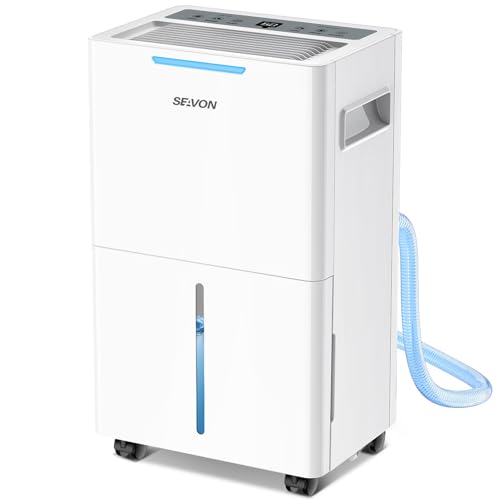
A dedicated dehumidifier is the most reliable way to control basement moisture. Choose a unit sized for your basement's square footage and humidity levels. For comprehensive moisture control, a whole-house dehumidifier can address humidity across the entire home, including the basement.
- Choose a unit with a built-in humidistat for automatic operation.
- Empty the collection tank regularly, or use a continuous drain hose.
- Position the unit centrally and away from walls for optimal airflow.
- Clean or replace filters monthly during peak use.
3. Seal Cracks and Gaps
Seal foundation cracks, gaps around pipes, and openings around windows and doors. Use hydraulic cement or polyurethane sealant for foundation walls, and weatherstripping for doors and windows.
4. Improve Exterior Drainage
Ensure gutters are clean and downspouts direct water at least 6 feet away from the foundation. Grade soil so it slopes away from the house. These simple steps reduce the amount of moisture reaching your basement walls.
5. Use Moisture-Resistant Materials
If finishing or renovating a basement, choose moisture-resistant materials such as treated wood, inorganic drywall, and waterproof flooring. These materials are more resilient to occasional humidity fluctuations.
6. Address Plumbing Issues Promptly
Fix leaks immediately, insulate cold water pipes to prevent condensation, and check appliances like water heaters and washing machines regularly.
7. Consider a Whole-Home Approach
If humidity is a persistent problem throughout your home, an integrated approach may be the best solution. Combining a whole-house dehumidifier with proper ventilation and sealing can make a significant difference. Understanding how your home's HVAC system interacts with humidity is also valuable — see our overview on what HVAC stands for.
Basement Humidity and Your HVAC System
Your HVAC system plays a key role in whole-home humidity control. A properly sized and maintained air conditioner removes moisture as it cools. However, an oversized system may cool too quickly without removing enough humidity, while an undersized system may struggle to keep up.
If you are evaluating your system's performance, understanding what a SEER rating is can help you assess efficiency and moisture removal capability. If you are considering a system upgrade, our guide on what SEER rating you should buy is a useful reference.
For basement-specific humidity issues, a dedicated dehumidifier is often more effective than relying solely on the HVAC system. However, in some cases, a properly configured system with a whole-house dehumidifier can address both comfort and moisture control simultaneously.
When to Call a Professional
While many humidity issues can be addressed with DIY measures, some situations require professional help:
- Persistent mold growth despite dehumidification efforts.
- Water intrusion through foundation walls or floors.
- Suspected plumbing leaks behind walls or under floors.
- HVAC system not adequately controlling humidity.
- Structural damage such as cracked walls or sagging floors.
For guidance on when to seek expert help, see our article on when to call an HVAC technician.
Frequently Asked Questions
What should your basement humidity be?
Basement humidity should generally stay between 30% and 50% relative humidity, with 40% to 50% being the ideal range for most homes. Levels above 55% invite mold growth and musty odors, while levels below 30% can cause wood to crack and static buildup.
Is 60% humidity too high for a basement?
Yes, 60% relative humidity is generally too high for a basement. At this level, mold, mildew, and dust mites thrive, and structural materials can absorb moisture. Aim to bring levels back under 50% using ventilation and a dehumidifier.
Does a basement need a dehumidifier?
A basement needs a dehumidifier if relative humidity regularly exceeds 55% or if you notice musty odors, condensation, or mold. Many basements benefit from a dedicated unit, especially in humid climates or during summer months.
What causes high humidity in a basement?
High basement humidity commonly comes from poor ventilation, moisture wicking through concrete walls and floors, inadequate exterior drainage, humid outdoor air entering through cracks, and household activities such as laundry and showers.
How often should I check basement humidity?
Check daily during humid seasons and weekly during drier months. A digital hygrometer with data logging can help you track trends and catch problems early.
Can high basement humidity affect the rest of the house?
Yes. Humid air from the basement can migrate upward through stairwells, gaps, and HVAC systems, raising humidity levels throughout the home. Controlling basement moisture is an important part of whole-home humidity management.
Take Control of Your Basement Humidity Today
Understanding the ideal range is the first step. The next is putting the right tools and strategies in place to maintain it. Explore our recommendations for dehumidifiers and moisture control solutions.
Explore Recommended SolutionsRelated Humidity Guides
If you found this guide helpful, these related articles can deepen your understanding of humidity control throughout your home:
- What indoor humidity should be — a room-by-room breakdown.
- What is a good humidity level for home — general home humidity targets.
- What is a healthy humidity level for your home — health-focused guidance.
- What should be the humidity level in a house — practical benchmarks.
- What is the optimal humidity level inside a house — expert recommendations.
- What to do about humidity in the house — actionable solutions.
- What should I keep the humidity at in my house — quick reference.
- Whole house dehumidifier — comprehensive moisture control.
- What humidity should my house be in summer — seasonal advice.
- What is considered low humidity in a house — recognizing dry air problems.