What Is the Normal Humidity for a Room?
Discover the ideal indoor humidity range, why it matters for your health and home, and how to keep moisture levels balanced year-round.
EXPLORE THE GUIDEQuick Answer: The normal humidity for a room is typically 30% to 50% relative humidity, with 40% to 50% being the ideal comfort zone for most homes. Staying within this range supports respiratory health, protects your home from mold and dust mites, and keeps the indoor environment comfortable throughout the year.
Understanding Humidity: What It Really Means
Humidity describes the amount of water vapor present in the air. When we talk about indoor comfort, we usually refer to relative humidity (RH), which is the percentage of moisture the air holds compared to the maximum it could hold at a given temperature. Warm air can hold more moisture than cool air, which is why the same absolute amount of water vapor can produce a different relative humidity reading as the temperature changes.
Understanding what is normal humidity for a room is essential because moisture levels directly influence how comfortable a space feels. Air that is too dry can irritate the skin and respiratory tract, while air that is too humid can feel sticky and create conditions where mold, mildew, and dust mites thrive. A balanced level is the foundation of a healthy indoor environment, and it is one of the factors that a well-designed air conditioning system helps regulate alongside temperature.
The Ideal Humidity Range for a Room
Most indoor air quality experts and health organizations recommend keeping relative humidity between 30% and 50%. Within this band, 40% to 50% is widely considered the sweet spot for everyday comfort. This range is often referenced when discussing a good humidity level for a home, because it balances comfort, health, and structural protection.
Here is how different humidity ranges generally affect a room:
- Below 30% (too dry): Dry skin, irritated eyes and throat, increased static electricity, and potential damage to wooden furniture and plants. A low humidity level in a house can also aggravate respiratory conditions.
- 30% to 50% (normal): Comfortable, healthy, and protective for your home. This is the range to aim for when asking what is the normal humidity for a room.
- 50% to 60% (borderline high): Can feel slightly muggy and may begin to support dust mites. Acceptable in some climates but better kept under 50%.
- Above 60% (too humid): Muggy air, condensation on windows, mold growth, and a higher risk of musty odors. This is where you may need to learn what to do about high humidity in a house.
If you are comparing specific rooms, it helps to understand what should be the humidity in a room and how that relates to the rest of your home. The same 30%–50% target applies to most living spaces, though basements and other damp areas may require closer monitoring.
Why Normal Room Humidity Matters for Health and Home
Maintaining the right humidity is not just about comfort. It has measurable effects on your health, your home's structure, and your energy usage. Here are the main reasons why the normal humidity range deserves attention:
- Respiratory health: Proper moisture keeps mucous membranes in the nose and throat functioning well, which helps filter airborne particles. Too dry or too humid air can worsen allergies and asthma symptoms. For a broader perspective, explore what is a healthy humidity level for your home.
- Mold and mildew prevention: Mold thrives when humidity stays above 60% for extended periods. Keeping rooms within the normal range is one of the simplest ways to protect walls, ceilings, and furnishings.
- Dust mite control: Dust mites multiply in humid conditions. Keeping indoor humidity below 50% is a well-known strategy for reducing their population and the allergens they produce.
- Comfort and perceived temperature: Humid air feels warmer because sweat evaporates more slowly. Balanced humidity helps your AC work efficiently and can make a room feel comfortable at a slightly higher thermostat setting. This ties directly into understanding a good humidity level for a house.
- Protecting your home: Excess moisture can warp wood, peel paint, and encourage structural damage over time. Dry air, meanwhile, can cause cracks in woodwork and drywall.
How Normal Room Humidity Changes with the Seasons
What counts as normal humidity can shift slightly depending on the season and the outdoor climate. In summer, the combination of heat and moisture can push indoor humidity above the ideal range, especially in humid regions. This is when air conditioners and dehumidifiers do the most work. You can read more about seasonal targets in what humidity should my house be in summer.
In winter, cold outdoor air holds very little moisture. When that air is heated indoors, its relative humidity drops, which is why many homes feel dry during the heating season. Understanding what indoor humidity should be in the winter helps you decide when a humidifier is worth using. A reasonable winter target is often 30%–40%, slightly lower than summer to avoid condensation on cold windows.
For a broader look at typical indoor readings, see what is typical humidity in a house. And if you want a more formal target for your entire living space, compare notes on the optimal humidity level inside a house.
How to Measure Humidity in a Room
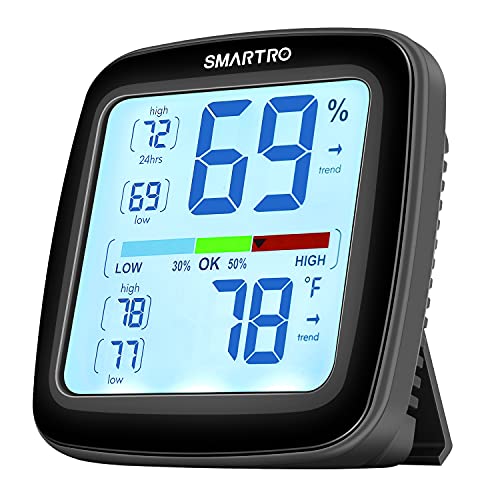
You cannot manage what you do not measure. The simplest way to check whether your room is within the normal humidity range is to use a hygrometer, a small device that displays relative humidity and temperature. Many modern thermostats, including Wi-Fi HVAC thermostats, also report indoor humidity, making it easy to monitor trends over time.
For a quick assessment without a device, watch for these signs:
- Too humid: Condensation on windows, a clammy feeling, musty odors, or visible mold spots.
- Too dry: Static shocks, dry skin, cracking wood, and frequent thirst or dry throat.
- Just right: Comfortable air, no condensation, and stable indoor comfort throughout the day.
If you suspect a persistent problem, a professional can assess your home's moisture balance. Knowing when to call an HVAC technician can save you from bigger issues later.
How Air Conditioning Affects Room Humidity
Air conditioners do more than cool the air; they also remove moisture as part of the cooling cycle. Warm, humid air passes over the evaporator coil, where it cools and condenses, releasing water that drains away. This is why a properly functioning AC naturally helps keep humidity within the normal range. If you want a deeper explanation of the process, see what is air conditioning and what is a central air conditioner.
However, an oversized or poorly maintained system may cycle too quickly to remove enough moisture, leaving a room cool but clammy. Conversely, a system that runs too long in dry conditions can make the air feel even drier. Matching system capacity to your space and maintaining the unit is key. If you are curious how system efficiency is rated, learn what a SEER rating is.
For homes without ductwork, a good portable air conditioner can help manage both temperature and moisture in individual rooms. For whole-home moisture control, a whole-house dehumidifier is a dedicated solution that works alongside your AC.
How to Fix Humidity That Is Too High or Too Low
If your room drifts outside the normal humidity range, you have several practical options. For high humidity, improve ventilation, use exhaust fans in bathrooms and kitchens, and consider a dehumidifier. Learning what to do if my room is too humid can guide your first steps. A whole-house dehumidifier is a long-term option for persistent moisture problems, and you can also review what to do about humidity in the house for broader strategies.
For low humidity, a portable or whole-house humidifier restores moisture. If you are dealing with dry air in a bedroom specifically, see what to use for dry air in a bedroom. For whole-home solutions, explore whole-house humidifier options and whole-home humidifier installation. Basements often need separate attention; check what your basement humidity should be and what your humidity should be in your basement.
Simple habits also help: use moisture-absorbing materials, avoid over-watering plants, and fix leaks promptly. For quick tips, see what will absorb moisture in a room. If the problem persists or you suspect mold, it may be time to consult a professional; review who to call for high humidity in a house.
Final Recommendations for a Balanced Indoor Environment
Keeping your room within the normal humidity range of 30%–50% is one of the most effective ways to protect your health and your home. Use a hygrometer or smart thermostat to monitor levels, adjust ventilation seasonally, and rely on your AC and dedicated humidity-control devices to stay within range. If you want to confirm the ideal target for your specific living space, review the ideal humidity for your home and the ideal humidity inside a house.
When shopping for cooling equipment that also supports moisture control, look for well-specified units within their class. Inverter technology can help maintain steadier conditions; compare non-inverter and inverter AC options. And if you are evaluating efficiency, consider what SEER rating you should buy for long-term performance.
By understanding what is normal humidity for a room and taking small, consistent steps to stay within that range, you create a healthier, more comfortable home that performs well in every season.
Frequently Asked Questions
What is the normal humidity for a room?
The normal, healthy humidity level for a room is generally between 30% and 50% relative humidity, with 40% to 50% being the ideal comfort zone for most homes. This range supports respiratory health, prevents mold growth, and keeps the indoor environment comfortable.
Is 60% humidity too high in a house?
Yes, 60% relative humidity is generally considered too high for an indoor environment. At this level, dust mites and mold are more likely to thrive, and the air can feel muggy. Aim to bring indoor humidity back to the 30% to 50% range using ventilation or a dehumidifier.
What happens if humidity is too low in a room?
Low humidity below 30% can cause dry skin, irritated eyes, and respiratory discomfort. It can also dry out wooden furniture and damage houseplants. A whole-house humidifier or portable humidifier can restore comfortable moisture levels.
How does an air conditioner affect room humidity?
Air conditioners remove moisture from the air as part of the cooling process, which naturally lowers indoor humidity. A properly sized and maintained AC helps maintain normal room humidity, but an oversized unit that cycles too quickly may fail to remove enough moisture.