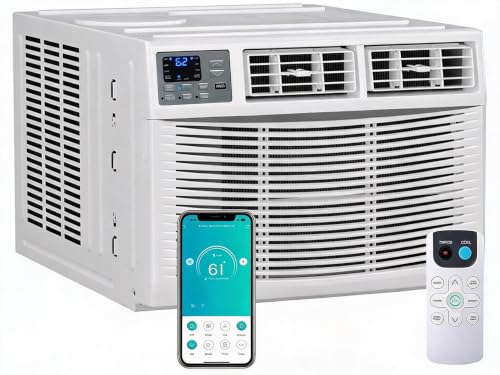
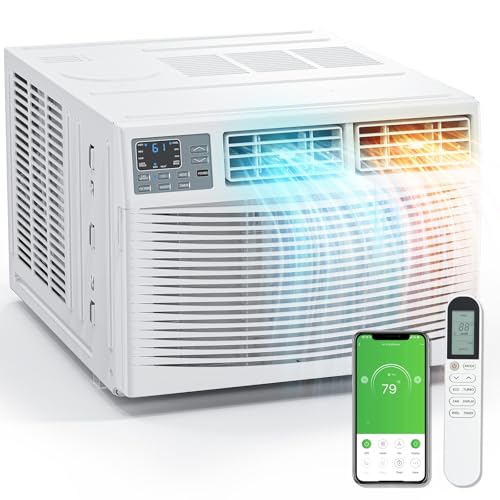
Window Air Conditioning Unit with Heater: Year-Round Comfort in One Unit
A window air conditioning unit with heater combines cooling and warming functions in a single chassis, making it a practical solution for rooms that need comfort across seasons. This guide explains how these dual-function units work, what to check before buying, and how to use them efficiently.
START LEARNINGWhy this page exists: If you have already narrowed your search to a window unit that can both cool and heat, you are in the evaluation stage. This guide gives you the technical context, selection criteria, and maintenance expectations you need before choosing a model for your room.
What Is a Window Air Conditioning Unit with Heater?
A window air conditioning unit with heater is a single-piece appliance installed in a window opening that provides both cooling in warm months and heating in cool months. Unlike a standard window AC that only cools, these units add a heating function so the same footprint serves two purposes. The form factor is familiar: the condenser side sits outside the window, the evaporator side faces the room, and the unit is supported by a bracket or the window frame itself.
These units are sometimes marketed as heating and cooling window units, dual-function window air conditioners, or window heat pumps. The terminology matters because the heating method differs between models, and that difference affects performance in cold weather. For a broader look at how window units compare with other form factors, see our guide to portable air conditioners compared to window units and the overview of window air conditioning units.
The appeal is straightforward: one installation, one electrical connection, and one appliance to maintain, covering both cooling and supplemental heating for a single room or a small open area. The trade-off is that the heating capacity of most window units is designed for mild to moderate cold, not for deep freezing conditions, so expectations should be set accordingly.
How the Heating and Cooling Modes Work
Understanding the two operating modes helps you evaluate whether a particular model matches your climate and room.
Cooling Mode
In cooling mode, the unit works like any window air conditioner. A compressor circulates refrigerant through an evaporator coil inside the room and a condenser coil outside. The evaporator absorbs heat and moisture from indoor air, and the condenser releases that heat outdoors. A fan blows cooled, dehumidified air back into the room. This is the standard vapor-compression cycle described in our overview of what the EER rating means for cooling efficiency.
Heating Mode with an Electric Element
Many dual-function window units use an electric resistance heating element placed in the indoor air path. When heating is selected, the compressor may be idle and a fan blows air across the heated element into the room. This design is simple and responds quickly, but it consumes more electricity per unit of heat delivered than a heat pump. It is best treated as a supplemental or occasional heating source rather than a primary system for harsh winters.
Heating Mode with a Heat Pump
Some higher-tier window units use a reversing valve to run the refrigerant cycle in reverse. In heating mode, the outdoor coil absorbs heat from outside air and the indoor coil releases it into the room. Because it moves heat rather than generating it from electricity, a heat pump window unit can deliver more heat per unit of electricity in moderate cold. Performance declines as outdoor temperatures drop, which is why heat pump models are often paired with a backup element or used in milder climates. For a deeper comparison of heat pump behavior, see what the HSPF rating measures and the discussion of air conditioners with heaters.
Practical note: A window unit with a heat pump is generally more efficient in moderate cold, while an electric-element model is simpler and can operate in lower outdoor temperatures without defrost cycles. Match the heating type to your local winter conditions rather than assuming both designs perform the same.
Heating Element vs Heat Pump: Which Design Fits Your Room?
The two heating approaches lead to different strengths. The table below summarizes the comparison using neutral tier descriptors rather than numeric ratings, since performance depends heavily on installation and climate.
| Design | Heating Efficiency | Cold-Weather Behavior | Best For |
|---|---|---|---|
| Electric resistance element | Essential tier; consistent output regardless of outdoor temperature | Operates in low temperatures without defrost; higher electricity draw | Occasional heating, backup warmth, mild to moderate winters |
| Heat pump (reversing valve) | Mid-tier to high-end tier; moves heat rather than generating it | Efficient in moderate cold; output declines as outdoor air gets colder | Primary heating in mild climates, year-round comfort rooms |
If your winters are short and mild, a heat pump model is generally the more efficient long-term investment. If you need a simple backup heat source for occasional cold snaps, an electric-element model is a solid choice for its tier and requires less complex servicing. Either way, confirm the unit's rated heating capacity and the lowest outdoor temperature at which it is designed to operate.
Benefits and Trade-Offs of a Dual-Function Window Unit
Weighing the advantages against the limitations helps you decide whether this category is the right fit compared with separate cooling and heating appliances.
Advantages
- One installation covers cooling and heating for a single room.
- No ductwork required, which suits older homes and rentals.
- Zone control: you heat or cool only the room in use.
- Lower installation complexity than a split or central system.
- Useful for sunrooms, additions, and converted spaces.
Trade-Offs
- Heating capacity is limited compared with a whole-home furnace.
- Window space is occupied year-round unless removed seasonally.
- Electric-element heating draws more electricity than a heat pump.
- Heat pump output falls in deep cold without a backup source.
- Noise and vibration are noticeable in smaller rooms.
For rooms where a single appliance must handle both seasons, these trade-offs are often acceptable. For whole-home coverage, a different approach such as a mini-split air and heat system or a whole-house air conditioning system is more appropriate. If you are comparing form factors for a single room, the discussion of in-room air conditioning units provides useful context.
Sizing and Room Suitability
Correct sizing is the single most important factor in comfort and efficiency for any window unit. An oversized unit cools too quickly without removing enough humidity, while an undersized unit runs continuously and struggles to reach the set point. The same logic applies to heating: a unit that is too small for the room will not deliver adequate warmth in cold weather.
Cooling Capacity
Cooling capacity is expressed in BTU per hour. As a starting point, match the unit's cooling BTU rating to the room's square footage, then adjust for sun exposure, ceiling height, occupancy, and kitchen or appliance heat. Our guide on sizing an air conditioner walks through the adjustment factors in detail. For a quick reference, small bedrooms typically fall in the lower BTU bands, while larger living areas need higher capacity.
Heating Capacity
Heating capacity is often expressed separately, either in BTU per hour or in watts for the heating element. Because heating demand depends on outdoor temperature, insulation, and window quality, treat the heating rating as a supplemental figure unless the manufacturer explicitly rates the unit for primary heating in your climate zone. Rooms with large windows, poor insulation, or exposed walls will need more heating capacity than the square footage alone suggests.
Room Characteristics to Consider
- Sunroom or addition: High glass area increases both cooling and heating loads; see AC for sunrooms for specific guidance.
- Bedroom: Noise matters more at night; prioritize quiet operation and steady temperature control.
- Home office: Equipment heat adds to the cooling load and should be factored into sizing.
- Older homes: Drafts and single-pane windows increase heating demand; sealing the window opening around the unit is essential.
Installation and Electrical Checks
A window unit with heater is heavier and draws more current than a cooling-only unit of similar size, so installation and electrical planning deserve attention before the unit arrives.
Window and Support
Measure the window opening precisely and compare it with the unit's minimum and maximum window width and height. Check the unit's weight and use a proper support bracket; many manufacturers require an exterior bracket for larger or heavier units. The window should close securely against the unit, and the included insulation panels should seal the remaining gaps to prevent drafts and pests. For wall-mounted alternatives, see through-the-wall air conditioners.
Electrical Requirements
Most dual-function window units require a dedicated circuit, and many larger models use a 240-volt connection rather than a standard 120-volt outlet. Check the unit's amperage rating and confirm that your breaker and wiring match. If you are unsure, consult a licensed electrician; our notes on licensed HVAC professionals explain why this matters for safety and warranty compliance. If the circuit is shared with other appliances, the unit may trip the breaker during heating mode when current draw is highest.
Placement and Drainage
Install the unit with a slight outward tilt so condensate drains outside rather than into the room. Ensure the outdoor side is not blocked by shrubs, fences, or furniture, and keep the area clear for airflow. In heating mode, the outdoor coil of a heat pump model needs unobstructed air circulation and a path for defrost water to drain away.
Before you install: Confirm local code requirements for window unit installation, especially in rental properties or multi-story buildings. Some jurisdictions require brackets, permits, or restrictions on window-mounted appliances.
Efficiency and Operating Considerations
Efficiency in cooling and heating are measured differently, and understanding both helps you compare models fairly.
Cooling Efficiency
Cooling efficiency is commonly expressed through EER and SEER ratings. EER reflects efficiency at a specific outdoor temperature, while SEER represents seasonal performance. Higher ratings indicate more efficient cooling, but the practical benefit depends on how often the unit runs. Our explanations of the SEER rating and the EER rating break down the differences. For window-specific efficiency guidance, see the most energy-efficient window air conditioner considerations and efficient window unit selection notes.
Heating Efficiency
For heat pump models, heating efficiency is often described using HSPF or a coefficient of performance. For electric-element models, efficiency is effectively fixed: all electricity is converted to heat, so the operating consideration is run time rather than conversion efficiency. In practice, a heat pump window unit will use less electricity to deliver the same warmth in moderate cold, while an electric-element unit is simpler and can operate in lower outdoor temperatures.
Operating Habits That Help
- Set a consistent temperature rather than making large adjustments; see ideal AC temperature settings for guidance.
- Seal the window opening thoroughly to reduce heat gain in summer and heat loss in winter.
- Use the unit's timer or programmable features to avoid running an empty room.
- Keep filters clean; restricted airflow reduces both cooling and heating performance.
- Combine with ceiling fans in cooling season to raise the set point without losing comfort.
Broader efficiency measures for the home, such as sealing ducts and improving insulation, are covered in reducing AC electricity use and economical heating and cooling system overviews.
Maintenance Routine for a Window Unit with Heater
Regular maintenance keeps both modes operating safely and efficiently. The routine below covers the essentials.
Monthly During Active Use
- Remove and clean the air filter; a clogged filter strains the fan and reduces airflow.
- Wipe the indoor grille and check that the louvers move freely.
- Inspect the window seal for gaps and reapply weather stripping if needed.
Seasonal Checks
- Before cooling season, clean the evaporator and condenser coils and confirm condensate drainage.
- Before heating season, test the heating function and confirm the unit reaches the set temperature.
- For heat pump models, check that the defrost cycle runs and that the outdoor coil is clear of debris.
- Inspect the power cord and plug for wear, and confirm the breaker rating matches the unit.
Annual Professional Service
An annual check by a qualified technician can catch refrigerant issues, electrical wear, and fan motor problems before they become failures. For heat pump models, the technician should verify the reversing valve and defrost controls. Our maintenance notes on window unit air conditioner maintenance and maintenance of HVAC systems provide more detail on what to expect during service.
If the unit stops cooling or heating, the troubleshooting walkthroughs for an AC that runs but does not cool and a fan that runs without cooling can help you narrow down the cause before calling a technician.
Frequently Asked Questions
How does a window air conditioning unit with heater work?
A window air conditioning unit with heater combines a cooling circuit and a heating element or heat pump in a single chassis. In cooling mode it removes heat and humidity from the room and exhausts it outdoors. In heating mode it either reverses the refrigerant cycle (heat pump models) or uses an electric resistance element to warm the air that is blown back into the room.
Can a window AC with heater replace a traditional heating system?
It can serve as a primary heating source in mild climates or as a supplemental source in colder regions. Heat pump models are more efficient in moderate cold, while electric-element models are better suited to occasional or backup heating rather than whole-home coverage in freezing conditions.
What should I check before installing a window unit with heat?
Verify the window opening dimensions, the unit's weight and required support bracket, the electrical circuit and breaker rating, and whether local codes require a dedicated outlet. Also confirm that the unit is rated for the room's square footage and that the window can be sealed properly to prevent drafts.
Do window AC units with heaters require special maintenance?
Yes. In addition to regular filter cleaning and coil inspection, you should test the heating function before each cold season, keep the exterior clear of debris, and check the condensate drainage path. Heat pump models benefit from an annual check of the reversing valve and defrost cycle.
Is a heat pump window unit better than an electric-element model?
It depends on your climate and how often you use heating. A heat pump model is generally more efficient in moderate cold and can serve as a primary heat source in mild climates. An electric-element model is simpler, can operate in lower outdoor temperatures, and suits occasional or backup heating. Match the design to your winter conditions rather than assuming one is universally superior.
Will a window unit with heater fit a standard window?
Most models specify a minimum and maximum window width and height, and larger units may require an exterior support bracket. Measure your window opening before buying and confirm the unit's dimensions and weight against the manufacturer's installation requirements.
Final Considerations Before You Choose
A window air conditioning unit with heater is a practical choice when one room needs both cooling and supplemental warmth and you want to avoid the complexity of a split system or the ductwork of a central system. Focus your evaluation on the heating method, the unit's rated capacity for both modes, the electrical requirements, and the window and bracket fit. If you are still comparing categories, our recommendations section and the rooms and spaces guides can help you narrow the field. For homes where a single room or zone needs year-round comfort, a well-matched dual-function window unit is a solid, feature-rich choice for its class.