Zone Board HVAC Replacement: What to Know Before You Buy
If your zoned heating and cooling system has stopped delivering the right temperature to the right rooms, the zone control board is often the first component to inspect. This guide explains what a zone board does, how to recognize failure, and how to choose the right replacement for your system.
Understand the Warning Signs
Why this page matters: A zone board is a small but critical part of any zoned HVAC system. When it fails, the whole house can feel uneven — one room too warm, another too cold, and the equipment running longer than it should. Understanding the board helps you ask the right questions before replacing it.
What Is an HVAC Zone Board?
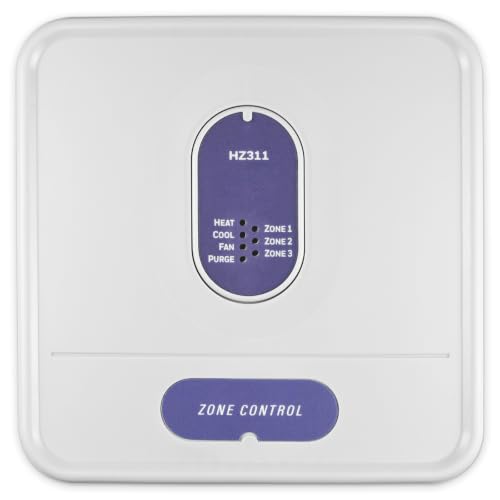
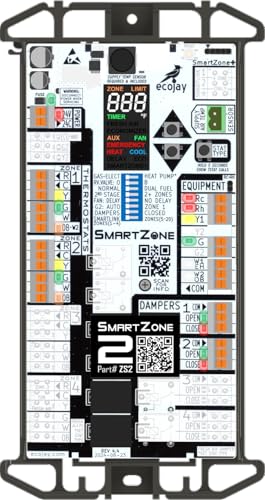
A zone board — sometimes called a zone control panel or zone controller — is the electronic brain that coordinates a multi-zone HVAC system. Instead of one thermostat controlling the entire home, a zoned system uses several thermostats, one for each zone. The zone board receives the calls from those thermostats, decides which motorized dampers to open or close, and tells the air handler and condenser how to respond.
In a typical residential setup, the board manages a set of low-voltage signals. It energizes damper actuators, sequences the blower, and in some designs stages the compressor or heat source. Because it sits between the thermostats and the equipment, a failure here can look like a thermostat problem, a damper problem, or even a full system breakdown. That is why testing the board properly matters before you buy a replacement.
Zone boards are common in homes with a zoned air conditioning layout, where a single central system serves multiple areas through ductwork. They are also used in some mini-split multi-zone setups, though those systems often manage zoning inside the outdoor unit rather than with a separate panel. If you are exploring that route, our guide to zone cooling with a mini-split explains how the control logic differs.
Signs Your Zone Board May Need Replacement
Zone boards do not always fail dramatically. More often, they degrade gradually, producing symptoms that homeowners mistake for thermostat or ductwork issues. The following signs are worth investigating before assuming the board itself is the culprit.
Uneven temperatures
One zone consistently misses its set temperature while another overshoots. The board may not be opening the correct damper or staging the equipment.
Dampers not moving
If you can hear the air handler run but the airflow never shifts between rooms, a damper actuator or the board output driving it may have failed.
System runs constantly
A board that fails to close dampers or signal satisfied calls can keep the equipment running well past the set point, wearing out components.
Unresponsive thermostats
When one or more thermostats show no effect on the system, the low-voltage signal path through the board should be tested before replacing thermostats.
Fault or status LEDs
Many boards include diagnostic LEDs. A blinking or steady fault light is a direct hint that the board has detected a problem in its own logic or wiring.
Repeated fuse failures
A low-voltage fuse that blows repeatedly can point to a shorted damper, a wiring fault, or a failing board transformer circuit.
Important: These symptoms overlap with thermostat faults, damper failures, and even refrigerant issues. A board should be confirmed as the failed part through proper low-voltage testing, not replaced on suspicion alone. If your system is running but not cooling, our troubleshooting overview on AC on but house not cooling can help you separate board issues from other causes.
Comparing Replacement Zone Board Tiers
Replacement zone boards are not all alike. They differ in zone capacity, damper compatibility, diagnostics, and how much configuration they support. To keep the comparison useful without tying it to fluctuating market figures, the table below uses universal quality descriptors instead of numeric figures. The right tier depends on your existing system and how much control flexibility you want.
| Tier |
Best For |
Typical Strengths |
Trade-offs |
| Entry-level |
Simple two- or three-zone homes with basic damper control |
Straightforward wiring, reliable core switching, easy like-for-like swap |
Fewer diagnostics and limited expandability |
| Mid-range |
Homes with three to four zones and mixed damper types |
Better status indicators, more flexible configuration, stronger transformer capacity |
Requires careful compatibility checks with existing actuators |
| Premium |
Larger homes or systems with advanced staging and smart thermostats |
Rich diagnostics, multi-stage support, integration-friendly terminals |
More complex setup; benefits from professional commissioning |
| Commercial-grade |
Light commercial spaces and multi-zone buildings |
Heavy-duty relays, expanded zone counts, service-friendly design |
Overkill for a typical single-family residence |
For most homes, a mid-range board offers a sensible balance: it is well-specified for the category without adding complexity you will never use. Entry-level boards are a solid choice when the original panel was basic and the ductwork is simple. Premium and commercial-grade panels make more sense when the system already includes staging, multiple air handlers, or a large number of zones.
Compatibility Checks Before You Order
The most common mistake in zone board replacement is ordering a panel that does not match the existing dampers, transformer, or thermostat wiring. Before purchasing, confirm the following points against the label on your current board and the specifications of the replacement.
Pre-purchase compatibility checklist
- Zone count: Match or exceed the number of zones your system actually uses. Extra capacity is fine, but unused zones still need correct termination.
- Damper actuator voltage: Confirm whether your dampers are 24V power-open/power-close or spring-return, and that the board supports that type.
- Transformer capacity: Add up the current draw of all damper actuators plus thermostats. The board's transformer must cover the load with headroom.
- Thermostat compatibility: Check whether the board expects conventional 24V thermostats or supports communicating models. Mixing types can cause erratic behavior.
- Equipment staging: If your air handler or condenser is multi-stage, verify the board can sequence those stages correctly.
- Physical fit: Confirm dimensions and mounting orientation so the replacement fits the existing enclosure or wall location.
- Documentation: A replacement with a clear wiring diagram and commissioning guide saves significant installation time.
Repair or Replace? A Practical Decision Framework
Not every zone board problem requires a new board. Loose terminal screws, a blown low-voltage fuse, a failed transformer, or a shorted damper wire can all mimic a dead panel. A qualified technician should test the low-voltage circuit systematically before concluding the board has failed.
If the board itself is confirmed faulty, replacement is usually the practical route. Board-level component repair is rarely economical for residential panels, and a repaired board may fail again elsewhere. When the existing panel is old, difficult to source, or limited in diagnostics, upgrading to a better-specified tier can be a worthwhile long-term investment, especially if you plan to add smart thermostats or additional zones later.
For related component failures, it helps to understand how other parts of the system behave. Our guides on AC dampers and actuator replacement explain the mechanical side of zoning, while ductwork replacement covers the air distribution path that the board controls.
Installation Notes and Safety
Zone board replacement involves line-voltage and low-voltage wiring. Even though the control signals are low voltage, the panel is typically fed from the air handler's transformer and sits near line-voltage components. Power must be removed at the disconnect and verified before any wiring is touched.
Label every wire before disconnecting the old board. Photograph the terminal layout, including spare terminals and any jumper settings. Match the replacement's terminal functions carefully — terminal naming conventions differ between manufacturers, and a swapped damper lead can cause a zone to behave opposite to expectation. After installation, test each zone individually, confirm damper movement, and verify that the equipment stages correctly.
If you are not comfortable working inside the control panel, a licensed HVAC technician should handle the swap. The board is inexpensive relative to the equipment it protects, and correct commissioning prevents repeat failures. For broader maintenance context, see our air conditioner service and maintenance overview.
Related Zoning and Control Topics
Zone boards rarely exist in isolation. If you are evaluating a replacement, these related guides can help you see the bigger picture:
Frequently Asked Questions
What does an HVAC zone board do?
A zone board is the control panel that coordinates a zoned HVAC system. It reads thermostat calls, opens and closes motorized dampers, and signals the air handler and condenser to deliver conditioned air only to the zones that need it.
What are the signs a zone board needs replacement?
Common signs include one zone never reaching its set temperature, dampers that do not move, a system that runs continuously, thermostats that appear unresponsive, blinking fault LEDs, or repeated low-voltage fuse failures.
Can a zone board be repaired instead of replaced?
Sometimes yes. Loose terminal screws, a blown low-voltage fuse, or a failed transformer can mimic a dead board. A qualified technician can test these components first. If the logic board itself has failed, replacement is usually the practical path.
How do I choose the right replacement zone board?
Match the board to your existing system: zone count, damper actuator voltage, transformer capacity, and compatibility with your thermostats. A like-for-like OEM replacement is the safest choice. If you upgrade to a different brand, confirm compatibility with the air handler and dampers before ordering.
Ready to Compare Replacement Options?
Review the recommended zone control boards below, check compatibility against your existing panel, and choose the tier that fits your system. Every option is presented with clear specifications so you can decide with confidence.
Explore Replacement Options