1.5 Ton Central Air Conditioner: The Complete Buyer's Guide
Everything you need to know about 18,000 BTU central cooling systems — how they are sized, which efficiency tier fits your home, and what separates an entry-level unit from a premium installation.
Research-stage guide · Sizing · Efficiency tiers · Installation factorsWhat Does "1.5 Ton" Actually Mean?
In the HVAC industry, one ton of cooling is defined as 12,000 BTU per hour. A 1.5 ton central air conditioner therefore delivers roughly 18,000 BTU per hour of nominal cooling capacity. That figure describes how much heat the system can remove from your indoor air under standardized test conditions — it is not a statement about electrical draw, physical footprint, or efficiency.
Capacity and efficiency are separate ratings. Two systems can both be 1.5 tons yet behave very differently in real homes, because efficiency is expressed through SEER2 (seasonal energy efficiency) and EER2 (full-load efficiency), while the practical match between system and home depends on the load calculation. If you are still exploring how capacity translates into real rooms, the guide on 1 ton air conditioning units explains the same concept one step down, and the broader breakdown of air conditioning options for a house is useful for whole-home comparisons.
How Much Space Does a 1.5 Ton System Cover?
The table below gives practical coverage ranges for an 18,000 BTU central system. These are planning estimates, not final sizing rules — a professional load calculation always overrides a square-footage shortcut.
| Home / Zone Type | Typical Coverage | Notes |
|---|---|---|
| Small home or compact single-story | About 600 – 900 sq ft | Fits well when insulation and window quality are average or better. |
| Upper floor or second-story zone | About 700 – 1,000 sq ft | Works well in zoned setups where the upper level needs separate control. |
| Add-on room or finished attic | About 500 – 800 sq ft | Attic heat gain often pushes the effective coverage lower. |
| Open-plan apartment or condo | About 600 – 900 sq ft | Open layouts need careful duct design to distribute 18,000 BTU evenly. |
| Hot-climate home | About 500 – 750 sq ft | High outdoor design temperatures reduce effective coverage per ton. |
For reference, a comparison to smaller systems helps calibrate expectations: the 1 ton class covers less area and is often a better fit for single rooms or very tight, well-insulated spaces. Larger homes typically step up to whole-house configurations described in the whole house AC system guide.
Entry-Level vs Mid-Range vs Premium: What Changes at 1.5 Tons?
Because the tonnage is fixed, the meaningful differences between 1.5 ton systems show up in efficiency tier, build quality, noise, controls, and warranty depth. The three-card overview below uses universal market-tier language so the comparison stays useful over time.
Entry-Level 1.5 Ton Systems
Built to meet minimum regional efficiency standards with a straightforward single-stage compressor.
- Single-stage compressor operation
- Basic SEER2 compliance for the region
- Standard PSC or basic ECM blower
- Simple single-stage thermostat compatibility
- Solid choice for mild climates and short-term ownership
Mid-Range 1.5 Ton Systems
The sweet spot for most homeowners: noticeably better efficiency, quieter operation, and smarter controls.
- Two-stage or variable-speed compressor options
- Higher SEER2 than the regional minimum
- Variable-speed ECM blower for steadier airflow
- Better humidity control and quieter outdoor unit
- Feature-rich for its class without flagship complexity
Premium 1.5 Ton Systems
Flagship-level efficiency, refined modulation, and advanced diagnostics for long-term owners.
- Fully variable-speed inverter-driven compressor
- Top-of-line SEER2 and EER2 ratings
- Communicating controls and smart thermostat support
- Premium cabinet construction and sound insulation
- Long-term investment for high-usage homes
The compressor technology inside these tiers deserves its own comparison. If you are weighing a conventional single-stage unit against a modulating one, the explainer on inverter vs non-inverter systems covers the operating behavior in detail, and the practical inverter AC comparison adds real-world usage notes. Variable-speed operation is also a major factor in how comfortable a 1.5 ton system feels in humid climates — the variable speed air conditioner overview is a helpful next read.
Efficiency Ratings That Matter at This Capacity
Efficiency is where the tiers separate most visibly. SEER2 is the seasonal metric used under current DOE standards, and EER2 captures full-load performance on the hottest days. For a 1.5 ton central system, the practical differences between an entry-level unit and a premium unit can be substantial in high-usage homes, even though both carry the same nominal capacity.
| Tier | Typical Efficiency Position | Best For |
|---|---|---|
| Entry-level | Meets regional minimum SEER2 | Mild climates, rental properties, short-term ownership |
| Mid-range | Above minimum, balanced EER2 | Primary residences in mixed or hot climates |
| Premium | High-end tier SEER2 and EER2 | High-usage homes, long-term ownership, strict efficiency goals |
It also helps to know what the rating labels mean before comparing listings. The whole-house air conditioner overview explains how system-level ratings are calculated, and the sizing explainer on how to size an air conditioner covers the load-calculation side of the decision.
Installation Factors That Change Real-World Performance
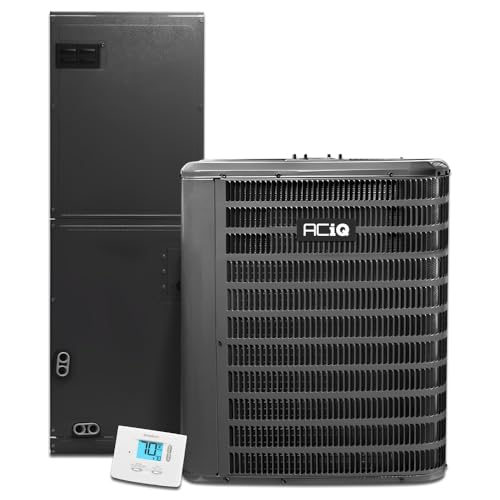
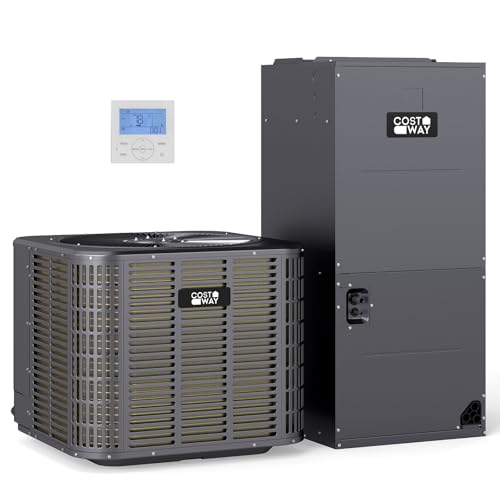
A 1.5 ton system is compact, but it is still a split system: an outdoor condenser, an indoor air handler or coil, refrigerant lines, a drain path, and a duct network all need to be right. Installation quality often has more impact on comfort than the tier of the equipment. Poor duct sealing, an undersized return, or a mismatched coil can erase the efficiency advantage of a premium unit.
Before committing, it is worth understanding the full scope of work described in the HVAC installation guide and the maintenance plan outlined in the HVAC cleaning and service resource. If you are comparing contractors, the overview of local heating and air conditioning companies helps you ask the right questions about load calculations, permits, and commissioning.
- Room-by-room load calculation — confirm the 1.5 ton capacity against actual heat gain, not just square footage.
- Matched indoor and outdoor units — a mismatched coil or air handler undermines rated efficiency.
- Duct inspection and sealing — leaks in unconditioned space can waste a meaningful share of capacity.
- Correct refrigerant line length and charge — long or improperly charged lines reduce performance.
- Condensate drainage — a clear, correctly sloped drain prevents water damage and shutdowns.
- Thermostat and control compatibility — especially important for two-stage and variable-speed systems.
- Electrical and permit checks — verify breaker sizing and local code requirements before installation day.
How 1.5 Ton Central AC Compares to Other Options
Central air is not the only way to cool a smaller home or zone. Ductless systems, window units, and portable units all have a place, and the right choice depends on whether ductwork already exists, how many rooms need conditioning, and how long you plan to stay.
Ductless alternatives are covered in the mini split air conditioner without heat pump guide and the single zone ductless mini split system overview. For homes where a single room is the priority, the mini air conditioner for room resource is a practical starting point, and the space-saving air conditioner guide covers compact layouts. If you are comparing equipment classes more broadly, the 1 ton mini split overview is a useful parallel to a 1.5 ton central system.
Controls also matter across system types. The thermostat guide explains compatibility considerations, and if you are planning a ductless setup, the mini split Wi-Fi thermostat overview covers smart-control options. For homeowners prioritizing long-term reliability, the most reliable mini split brand comparison adds useful context on brand reputation.
A Simple Decision Framework
Use the following sequence to narrow your options without getting lost in specifications:
- Step 1 — Confirm the capacity. Ask for a room-by-room load calculation before accepting a 1.5 ton recommendation.
- Step 2 — Choose the tier. Match the efficiency tier to your climate, usage hours, and planned length of ownership.
- Step 3 — Compare compressor types. Single-stage, two-stage, and variable-speed systems behave very differently in humidity and part-load conditions.
- Step 4 — Vet the installation. Ductwork, line set, drainage, and commissioning quality decide how close real performance gets to the rated numbers.
- Step 5 — Plan for service. Confirm warranty terms, filter access, and a realistic maintenance schedule before the system is installed.
Frequently Asked Questions
What size home does a 1.5 ton central air conditioner cool?
Is a 1.5 ton central AC the same as 18,000 BTU?
Which SEER2 rating should I look for?
Can a 1.5 ton central AC be too large or too small?
Does a higher tier always mean better comfort?
Ready to Compare 1.5 Ton Central Systems?
Review the recommended central air conditioners below, then compare features, tiers, and efficiency ratings side by side before you decide.
View Recommended Systems