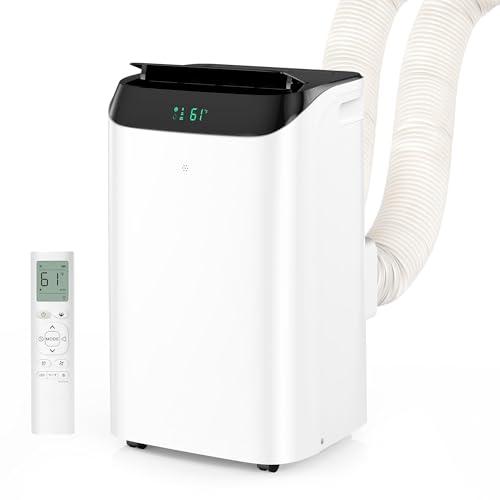
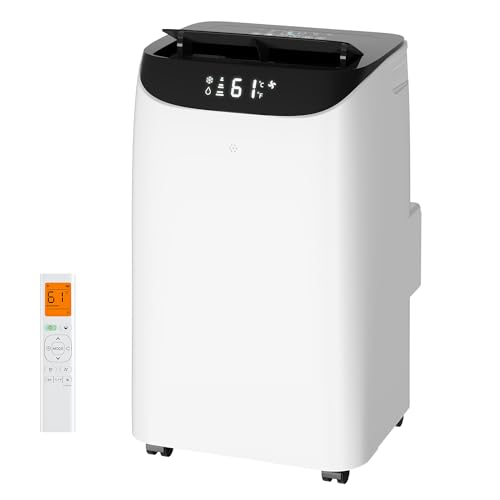
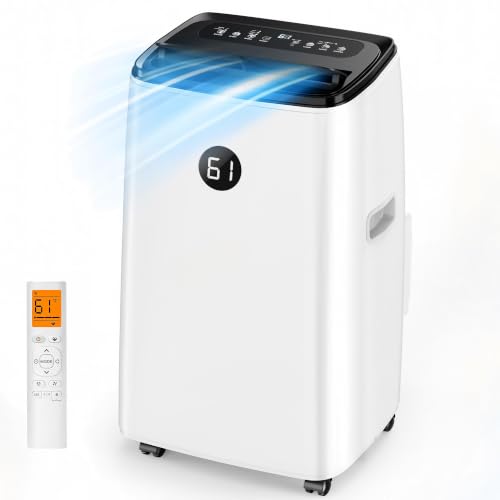
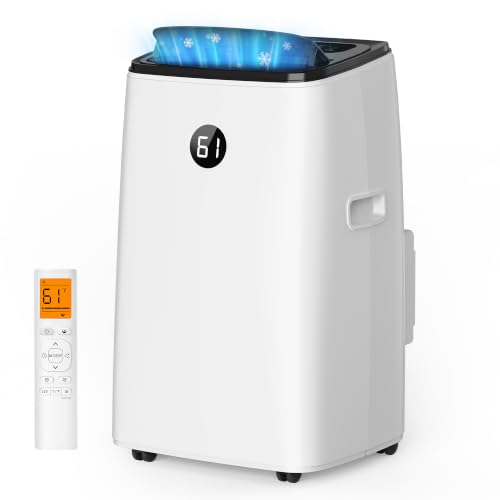
15,000 BTU Portable Air Conditioner: Complete Buying Guide
Understand cooling capacity, room suitability, electrical requirements, efficiency features, and top-tier recommendations before you choose a 15,000 BTU portable air conditioner for your space.
EXPLORE RECOMMENDATIONSAC Units Guide Philosophy: Research first, understand your requirements, then select the right product. This page gives you the complete, trustworthy overview you need before making a purchase decision on a 15,000 BTU portable air conditioner.
What Is a 15,000 BTU Portable Air Conditioner?
A 15,000 BTU portable air conditioner is a freestanding cooling unit designed for larger rooms that cannot accommodate window or through-the-wall installations. Unlike smaller portable units in the 8,000 to 10,000 BTU range, a 15,000 BTU model delivers significantly more cooling output, making it a practical choice for open-plan living areas, large bedrooms, home offices, and studio apartments. The unit is typically mounted on casters or wheels, so it can be moved between rooms as needs change throughout the day or season.
Portable air conditioners in this capacity class generally use a single-hose or dual-hose exhaust system to vent hot air and moisture through a window or sliding door. Because they do not require permanent installation, they are especially popular among renters, homeowners in older buildings without ductwork, and anyone who needs supplemental cooling in a specific zone. The 15,000 BTU output sits in the upper mid-range of portable cooling capacity, bridging the gap between compact bedroom units and heavier commercial-grade portable systems.
How Much Space Does a 15,000 BTU Portable AC Cool?
As a general guideline, a 15,000 BTU portable air conditioner is rated for rooms of approximately 500 to 700 square feet. However, this figure assumes standard ceiling height of about 8 feet, average insulation, and moderate sun exposure. Real-world performance can shift considerably based on several environmental and structural factors. A room with large south-facing windows, poor insulation, or a high ceiling may require a unit at the top of this range or a slightly higher-capacity model to achieve consistent comfort.
| Room Type | Typical Size (sq ft) | Suitability for 15,000 BTU |
|---|---|---|
| Studio apartment (open plan) | 400 – 550 | Excellent — strong cooling with reserve capacity |
| Large bedroom | 250 – 400 | Excellent — rapid cooling, quiet operation possible |
| Living room | 350 – 600 | Very good — may need supplemental cooling in extreme heat |
| Open-plan living and dining | 500 – 700 | Good to very good — dual-hose models perform best |
| Home office or study | 150 – 300 | Excellent — very fast cool-down, low duty cycle |
| Basement or attic room | 400 – 600 | Good — depends on insulation and ambient temperature |
| Garage or workshop | 300 – 500 | Fair to good — consider higher capacity if poorly insulated |
If your room is at the upper end of this range or has challenging conditions, you may benefit from reviewing a 15,000 BTU air conditioner overview that compares portable, window, and through-the-wall configurations. For slightly smaller spaces, a 14,000 BTU portable air conditioner may be a more balanced fit, while larger areas might call for a 16,000 BTU air conditioner.
Key Factors That Affect Cooling Performance
Understanding the variables that influence real-world cooling helps you set realistic expectations and choose the right 15,000 BTU portable AC for your situation. The following factors have the most significant impact on how well a unit performs in a given room:
Room Volume and Ceiling Height
Square footage alone does not tell the full story. A room with a 10-foot ceiling contains substantially more air to cool than one with an 8-foot ceiling of the same footprint. If your ceiling is higher than standard, treat the space as roughly 15 to 20 percent larger when estimating capacity needs.
Insulation Quality and Window Exposure
Well-insulated walls, energy-efficient windows, and proper weather sealing allow a 15,000 BTU unit to maintain comfort with less effort. Conversely, single-pane windows, uninsulated walls, and direct afternoon sun can increase the cooling load. In such cases, a dual-hose portable unit or a model with a higher CEER rating can help compensate.
Occupancy and Heat-Generating Appliances
Each person in a room adds roughly 400 to 600 BTU of heat load. Kitchens, home offices with multiple monitors, and rooms with gaming consoles or servers generate additional heat. If your space regularly hosts several people or contains heat-producing equipment, lean toward a unit with strong airflow and a high sensible cooling capacity.
Climate and Seasonal Conditions
In hot, humid climates, a portable AC must remove both heat and moisture. Units with a dedicated dehumidification mode and a high moisture removal rate (measured in pints per day) are more effective in these conditions. In drier climates, sensible cooling capacity matters more than latent capacity.
Single-Hose vs. Dual-Hose Design
The hose configuration is one of the most important design choices in a portable air conditioner, and it directly affects efficiency and comfort. Understanding the difference helps you avoid a common source of disappointment with portable units.
| Design | How It Works | Advantages | Considerations |
|---|---|---|---|
| Single-hose | Draws room air to cool the condenser, then exhausts it outside. | Simpler setup, lower entry-level positioning, lighter weight. | Creates negative pressure that pulls in warm outside air through gaps; slightly less efficient in sealed rooms. |
| Dual-hose | Uses one hose to bring in outside air for the condenser and a second hose to exhaust hot air. | Maintains neutral room pressure, better efficiency, more consistent cooling in well-sealed spaces. | More complex installation, generally positioned in the mid-range to premium tiers. |
For a 15,000 BTU portable air conditioner used in a well-sealed modern home, a dual-hose model is usually the better choice because it avoids the pressure imbalance that can undermine performance. In older homes with more natural air leakage, a single-hose unit can still work acceptably, though a dual-hose design remains the more efficient option overall.
Electrical Requirements and Safety
A 15,000 BTU portable air conditioner draws a meaningful amount of current, and understanding the electrical side is essential for safe, reliable operation. Most models in this class operate on a standard 115V household circuit and draw between 12 and 15 amps during normal running. Startup current can briefly exceed this figure, which is why the unit should be plugged directly into a wall outlet on a dedicated or lightly loaded circuit.
Never use an extension cord or a power strip with a 15,000 BTU portable AC, as these can overheat and create a fire hazard. If the room lacks a suitable outlet, have a qualified electrician install a dedicated circuit. Some high-end models may specify a 20-amp circuit or a specific plug type, so always check the manufacturer's requirements before purchase and installation. For context on related high-capacity configurations, see the 15,000 BTU air conditioner guide.
Efficiency Ratings and Energy Use
Efficiency for portable air conditioners is typically expressed through the Combined Energy Efficiency Ratio (CEER), which factors in both standby and active power consumption. A higher CEER indicates a unit that delivers more cooling per unit of electricity. In the 15,000 BTU class, efficiency varies noticeably between entry-level and premium models, and the difference can affect long-term energy use, especially if the unit runs for many hours per day during summer.
Features that support efficiency include inverter-driven compressors, programmable timers, sleep modes, and smart thermostats. Inverter technology, in particular, allows the compressor to modulate its speed rather than cycling on and off at full power, which improves temperature stability and reduces energy waste. If efficiency is a priority, look for models with an ENERGY STAR designation where available and compare CEER values across the shortlist. For a broader comparison of high-capacity units, the 15,000 BTU air conditioner resource provides additional context on efficiency and configuration options.
Features That Matter in a 15,000 BTU Portable AC
Beyond raw cooling capacity, the feature set of a portable air conditioner determines day-to-day convenience, comfort, and long-term satisfaction. The following features are worth prioritizing when comparing models in this capacity class:
- Dehumidification mode: Essential in humid climates; a higher moisture removal rate (pints per day) improves comfort and reduces muggy air.
- Programmable timer and sleep mode: Allows the unit to run on a schedule and reduce output overnight, supporting energy efficiency and comfort.
- Remote control and smart connectivity: Wi-Fi or app control enables scheduling and remote adjustment, which is especially useful for large rooms and second homes.
- Adjustable fan speeds and louvers: Multiple fan speeds and oscillating louvers help distribute cool air more evenly across larger spaces.
- Washable or replaceable filters: Easy filter access supports consistent airflow and indoor air quality with minimal effort.
- Auto-restart and diagnostic display: Useful for maintaining settings after power interruptions and for troubleshooting.
- Window kit and exhaust hose quality: A well-designed window kit and a properly sized exhaust hose reduce air leakage and improve overall efficiency.
- Condensate management: Self-evaporative systems reduce the need to drain water manually, which is a significant convenience in humid conditions.
Installation and Placement Best Practices
Proper installation and placement have a direct impact on how well a 15,000 BTU portable air conditioner performs. The unit needs unobstructed airflow on all sides, a secure window connection for the exhaust hose, and a level surface to operate efficiently. Follow these best practices for optimal results:
- Place the unit near the window or sliding door where the exhaust hose will be routed, keeping the hose as short and straight as possible.
- Maintain at least 12 to 18 inches of clearance around the air intake and exhaust to prevent airflow restriction.
- Seal the window kit thoroughly with the provided insulation panels or weather stripping to minimize warm air infiltration.
- Avoid direct sunlight on the unit itself, as this can reduce cooling efficiency and cause the compressor to work harder.
- Keep the unit away from heat sources such as stoves, radiators, and direct sun exposure through untreated windows.
- Drain the condensate tank regularly or use a self-evaporative model to prevent water overflow and performance loss.
For comparison with wall-mounted alternatives that avoid hose routing, explore the 15,000 BTU through-the-wall air conditioner and the 15,000 BTU window air conditioner 115V options. These configurations may suit rooms where a permanent installation is feasible.
Maintenance Tips for Long-Term Performance
Regular maintenance keeps a 15,000 BTU portable air conditioner running efficiently and extends its service life. A few simple habits make a meaningful difference over the course of a season and across multiple years:
- Clean or replace the air filter every two to four weeks during heavy use, or more often in dusty environments.
- Empty and clean the condensate tank regularly, and inspect the drain path for blockages or algae growth.
- Inspect the exhaust hose and window kit for cracks, gaps, or loose connections that allow warm air to enter.
- Wipe down the exterior and air intake grilles to prevent dust buildup that can restrict airflow.
- Store the unit upright during the off-season and cover it to protect internal components from dust and moisture.
- Schedule a professional inspection every few years if the unit is used heavily, to check refrigerant levels and electrical connections.
Ready to compare top 15,000 BTU portable air conditioner models? Review our recommended selections below and choose the configuration that fits your space, efficiency goals, and feature preferences.
VIEW RECOMMENDED UNITSCommon Mistakes to Avoid
Buyers often encounter avoidable issues when selecting and using a 15,000 BTU portable air conditioner. Being aware of these pitfalls helps you make a more informed decision and get better performance from your unit:
- Overestimating room coverage: Square footage ratings assume ideal conditions. In rooms with high ceilings, poor insulation, or strong sun exposure, treat the capacity as lower and plan accordingly.
- Using an extension cord: High-current portable ACs should be plugged directly into a wall outlet. Extension cords and power strips are a fire risk at this capacity.
- Ignoring the hose configuration: A single-hose unit in a tightly sealed room can underperform due to negative pressure. Choose dual-hose if efficiency in a sealed space matters.
- Skipping the window seal: An improperly sealed window kit allows hot outside air to enter, undermining the unit's cooling effort.
- Neglecting filter maintenance: Clogged filters reduce airflow and cooling capacity, forcing the compressor to work harder and increasing energy use.
- Placing the unit in a corner: Restricted airflow around the unit reduces efficiency. Keep clearance on all sides and avoid enclosing the unit in tight furniture arrangements.
Frequently Asked Questions
What size room does a 15,000 BTU portable air conditioner cool?
A 15,000 BTU portable air conditioner is generally designed to cool rooms between approximately 500 and 700 square feet, depending on ceiling height, insulation, sun exposure, and occupancy. Rooms with high ceilings or direct sunlight may need a higher-capacity unit or additional cooling support.
Does a 15,000 BTU portable AC need a special electrical outlet?
Most 15,000 BTU portable air conditioners run on a standard 115V household circuit, but they typically draw 12 to 15 amps. This means they should be plugged into a dedicated or lightly loaded circuit and never into a power strip or extension cord. Some high-end models may require a 20-amp circuit, so always check the manufacturer's specification before installation.
Can a 15,000 BTU portable air conditioner cool more than one room?
A single 15,000 BTU portable air conditioner is most effective when cooling one open area. It can provide some spillover cooling to adjacent spaces if doors are left open, but it is not a true multi-room solution. For whole-home cooling, a central system or multi-zone mini-split is more appropriate.
How many amps does a 15,000 BTU portable air conditioner use?
Most 15,000 BTU portable AC units draw between 12 and 15 amps during normal operation. Because startup current can briefly exceed running current, a dedicated 15-amp or 20-amp circuit is recommended. Always verify the nameplate rating on the specific model before connecting it.
Is a 15,000 BTU portable air conditioner energy efficient?
Efficiency varies by model. Look for units with a high CEER (Combined Energy Efficiency Ratio) or an ENERGY STAR certification where available. Inverter-driven compressors, dual-hose designs, and programmable timers can significantly reduce energy use compared with older single-hose models.
Related Capacity and Configuration Guides
If you are still refining your selection, these related guides can help you compare adjacent capacity classes and alternative installation types:
- 15,000 BTU portable air conditioner overview — the core reference for this capacity class.
- 15,000 BTU air conditioner portable — additional portable-specific guidance.
- 14,000 BTU portable air conditioner — a slightly smaller option for tighter spaces.
- 14,000 BTU portable air conditioner with heat and remote control — for year-round use in moderate climates.
- 16,000 BTU air conditioner — a step up for larger or more challenging rooms.
- 15,000 BTU air conditioner — broader comparison across portable, window, and wall-mounted types.
- 15,000 BTU window air conditioner 115V — a permanent-installation alternative.
- 15,000 BTU through-the-wall air conditioner — a built-in option for suitable walls.
- 3-in-1 portable air conditioner — cooling, dehumidification, and fan modes explained.
- 4-in-1 portable air conditioner with heat — for heating and cooling in transitional seasons.
- 5-inch exhaust hose for portable air conditioner — replacement and compatibility guidance.
Once you have reviewed the capacity, efficiency, and feature considerations above, you are ready to evaluate specific products. Compare the recommended 15,000 BTU portable air conditioner models below and select the one that best matches your room and usage pattern.
COMPARE TOP MODELS