20 x 14 Through the Wall Air Conditioner: Complete Guide
Everything you need to know about 20 x 14 inch through-the-wall AC units — sizing, installation, efficiency, and how to choose the right model for your room.
What Is a 20 x 14 Through the Wall Air Conditioner?
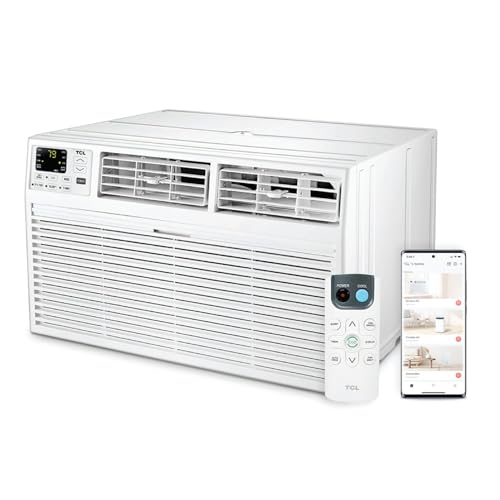
A 20 x 14 through the wall air conditioner is a room air conditioner designed to be installed permanently through an exterior wall rather than in a window. The "20 x 14" refers to the standard wall sleeve opening dimensions in inches — roughly 20 inches wide and 14 inches tall — which is one of the most common chassis sizes in North America for built-in wall AC units.
Unlike window units that block your view and can be removed seasonally, a through-the-wall unit sits flush with the wall, frees up window space, and offers a cleaner, more permanent installation. These units are ideal for bedrooms, living rooms, home offices, apartments, and older homes where ductwork is limited or nonexistent. If your home lacks ducts, a through-the-wall system can be a practical alternative to ductless options — see our guide on in-wall air conditioning and heating units for related configurations.
This guide walks you through sizing, efficiency ratings, installation considerations, maintenance, and the key features to look for so you can make a confident, well-informed decision.
Why Choose a Through-the-Wall AC?
Through-the-wall air conditioners offer several advantages over other cooling options:
- Permanent installation: Once installed, the unit stays in place year-round without blocking windows or requiring seasonal removal.
- Space-saving: Keeps your window area clear for natural light and ventilation.
- Security: A built-in unit is far more secure than a window AC that can be pushed in or removed.
- Cleaner look: Flush mounting creates a built-in appearance that blends with the wall.
- Compatibility: Many 20 x 14 units fit existing wall sleeves, making replacement straightforward when an old unit fails.
- Heating options: Many models include a heat pump or electric heater for year-round comfort — similar in concept to air conditioners and heaters combination units.
If you are weighing whether to mount a window unit in a wall instead, our article on mounting a window AC unit in the wall explains the differences and the pros and cons of each approach.
Sizing: How Many BTU Do You Need?
Choosing the correct cooling capacity is the single most important decision. A unit that is too small will struggle to cool the room on hot days, while an oversized unit cools too quickly without removing enough humidity, leaving the room feeling clammy. A 20 x 14 wall sleeve typically accommodates units in the 8,000 to 12,000 BTU range, which suits most medium-sized rooms.
As a general rule of thumb, you need about 20 BTU per square foot of living space. Use the table below as a starting point:
| Room Size | Cooling Capacity | Typical Use |
|---|---|---|
| Up to 250 sq ft | 6,000 – 8,000 BTU | Small bedroom, studio, office |
| 250 – 350 sq ft | 8,000 – 10,000 BTU | Medium bedroom, living room |
| 350 – 450 sq ft | 10,000 – 12,000 BTU | Large bedroom, open living area |
| 450 – 550 sq ft | 12,000 – 14,000 BTU | Large living room, open plan space |
These figures assume standard ceiling heights and average insulation. Adjust upward for sunny rooms, kitchens, rooms with many windows, or spaces with high ceilings. Adjust downward for shaded rooms or basements. For a deeper dive into capacity matching, read our guide on how to size an air conditioner.
Understanding Efficiency Ratings
Efficiency determines how much electricity the unit uses to deliver cooling. The higher the rating, the more efficient the unit — and the lower your long-term energy consumption. Two ratings matter most for through-the-wall units:
- CEER (Combined Energy Efficiency Ratio): The standard efficiency metric for room air conditioners sold in the U.S. Higher CEER means better efficiency.
- ENERGY STAR certification: Models that meet or exceed federal efficiency guidelines carry the ENERGY STAR label. These units are typically more efficient than entry-level models and are a worthwhile investment for long-term use.
Within the 20 x 14 category, you will find a range of efficiency levels. Entry-level models often meet baseline standards, while mid-range and high-end tier units frequently carry ENERGY STAR certification and use inverter compressors for smoother, more efficient operation. For context on efficiency labels across all AC types, see our article on top-rated energy-efficient air conditioners.
Installation: What You Need to Know
Installing a through-the-wall air conditioner is more involved than setting up a window unit. The unit requires a properly sized wall sleeve and, in most cases, a dedicated electrical circuit. Here is what the process typically involves:
- Choose the location: Select an exterior wall with enough clearance outside for airflow and access. Avoid walls with plumbing, wiring, or structural obstructions.
- Install a wall sleeve: The sleeve is a metal frame that lines the wall opening and supports the unit. Many 20 x 14 units are designed to fit standard sleeves, which simplifies replacement.
- Provide power: Larger units often require a dedicated 230V circuit. Smaller models may run on standard 115V household current. Check the unit's electrical requirements before installation. Our guide on 220V air conditioners explains the differences.
- Seal and insulate: Proper sealing around the sleeve prevents air leaks and moisture intrusion. Weather-resistant coating and insulation help maintain efficiency.
- Obtain permits if required: Many municipalities require a permit for cutting a new wall opening. See how to get an AC permit for general guidance.
If you are installing a unit in an older home with limited electrical capacity, review our article on installing air conditioning in an old house before you begin. For a broader overview of the process, see our installation guide.
Hiring a professional: If you are not comfortable cutting a wall opening or running electrical lines, hire a licensed HVAC contractor. A professional ensures the opening is properly framed, the unit is correctly sealed, and the electrical work meets code.
Key Features to Look For
Not all 20 x 14 through-the-wall air conditioners are created equal. When comparing models, pay attention to these features:
- Inverter compressor: Inverter technology adjusts compressor speed continuously for more stable temperatures and better efficiency. It is common in mid-range and premium models.
- Heat pump or electric heat: Some units provide both cooling and heating, making them a year-round solution. These are similar in function to heat and air units for windows, but built for wall installation.
- Remote control and programmable thermostat: Convenience features that let you set schedules and adjust settings from across the room. See thermostat-controlled air conditioners for related options.
- Self-cleaning function: Some models use automatic drying cycles to reduce moisture and odor buildup. See AC with self-cleaning.
- Wi-Fi and smart control: Smart models let you control cooling from your phone and integrate with home automation systems.
- Quiet operation: Look for models with sound ratings that suit bedrooms or offices.
- Washable filter: Easy-access filters make routine maintenance simpler.
Maintenance Tips for Long-Term Performance
A through-the-wall unit is a long-term investment, and regular maintenance keeps it running efficiently for years. Follow these practices:
- Clean or replace the air filter monthly during peak season. A clogged filter restricts airflow and reduces efficiency. See how to clean an AC filter.
- Clean the condenser coils annually. Dust and debris on the outdoor coils reduce heat transfer. Our guide on cleaning AC condenser coils walks you through the process.
- Inspect the seal around the sleeve. Cracked or missing sealant lets hot air in and cool air out.
- Schedule professional service every one to two years. A technician can check refrigerant levels, electrical connections, and overall performance. Learn more in our HVAC tune-up guide.
- Watch for refrigerant leaks. If the unit is not cooling as it should, a leak may be the cause. See AC refrigerant leak repair.
Common Problems and Troubleshooting
Through-the-wall units are generally reliable, but a few issues are common:
- Not cooling: Often caused by a dirty filter, low refrigerant, or a failing compressor. Start with filter cleaning, then check for other causes in our guide on my air conditioner is not blowing out cold air.
- Water leaking: A clogged condensate drain or improper installation angle can cause water to drip inside. Ensure the unit is slightly tilted toward the outside.
- Noise: Loose parts, debris in the fan, or a failing motor can cause rattling or humming. See HVAC motor replacement if the motor is the issue.
- Electrical issues: Tripped breakers or faulty wiring require professional attention.
If problems persist after basic troubleshooting, call a licensed technician. For urgent situations, look for same-day air conditioning repair services in your area.
Replacing an Existing Unit
If you already have a 20 x 14 wall sleeve, replacing the unit is much simpler than a first-time installation. The new chassis should slide into the existing sleeve, provided the dimensions match. When replacing, consider upgrading to a more efficient model with modern features such as an inverter compressor or a heat pump. Our article on window air conditioner replacement covers general replacement considerations that also apply to wall units.
Before purchasing a replacement, measure the existing sleeve carefully and confirm the electrical requirements match your circuit. If you are unsure, consult a professional — a mismatched unit can be unsafe or perform poorly.
Through-the-Wall vs. Other AC Types
How does a through-the-wall unit compare with alternatives?
| Feature | Through-the-Wall | Window AC | Mini-Split |
|---|---|---|---|
| Installation | Requires wall opening | Fits in window | Requires wall penetration |
| View obstruction | None | Blocks window | None |
| Security | High (permanent) | Low (removable) | High (permanent) |
| Efficiency | Good | Good | Excellent |
| Heating option | Often available | Limited | Common (heat pump) |
For rooms without ducts and where a permanent installation is feasible, a through-the-wall unit is a strong middle-ground choice. If you want the quietest, most efficient option and are willing to invest in a professional installation, a ductless mini-split may be preferable — see our split ductless air conditioning systems overview.
Frequently Asked Questions
What does "20 x 14" mean for a through-the-wall air conditioner?
It refers to the standard wall sleeve dimensions in inches — approximately 20 inches wide by 14 inches tall. Units designed for this sleeve size fit into existing openings, making replacement easier.
Can I install a through-the-wall AC myself?
If you are replacing an existing unit in a standard sleeve, installation is often straightforward. Cutting a new wall opening and running electrical lines is more complex and typically requires a licensed professional, especially if a permit is required.
What BTU range fits a 20 x 14 unit?
Most 20 x 14 units fall in the 8,000 to 12,000 BTU range, suitable for rooms up to roughly 450 square feet depending on insulation, sun exposure, and ceiling height.
Do through-the-wall units provide heating too?
Many models include a heat pump or electric heater for year-round use. Check the product specifications to confirm whether a model offers heating in addition to cooling.
How do I know if my existing sleeve will fit a new unit?
Measure the interior dimensions of the sleeve and compare them with the manufacturer's chassis specifications. Standard 20 x 14 sleeves are widely compatible, but always verify before purchasing.
How often should I service a through-the-wall AC?
Clean the filter monthly during heavy use and schedule professional maintenance every one to two years to keep the unit running efficiently and to catch small issues before they become major repairs.
Final Thoughts
A 20 x 14 through-the-wall air conditioner is a practical, space-saving, and secure cooling solution for many rooms. By matching capacity to your room size, choosing an efficient model, and planning a proper installation, you can enjoy reliable comfort for years. Whether you are replacing an old unit or installing one for the first time, use this guide as your roadmap — and when in doubt, consult a qualified HVAC professional.