3 Ton AC Unit Air Conditioners: The Complete Guide
Everything you need to know about 3 ton air conditioners — from sizing and efficiency to installation requirements and top-tier recommendations for whole-home comfort.
Explore Recommended UnitsQuick Summary: A 3 ton AC unit delivers 36,000 BTU of cooling capacity per hour. It is typically the right choice for homes between 1,800 and 2,200 square feet. This guide covers sizing, efficiency ratings, installation needs, and how to choose the best unit for your home.
What Is a 3 Ton AC Unit?
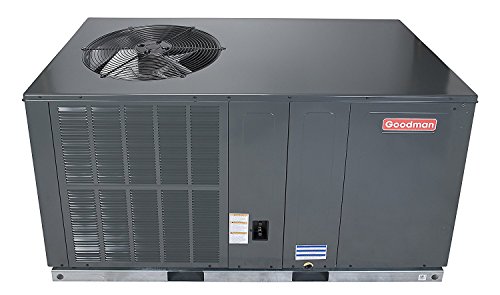
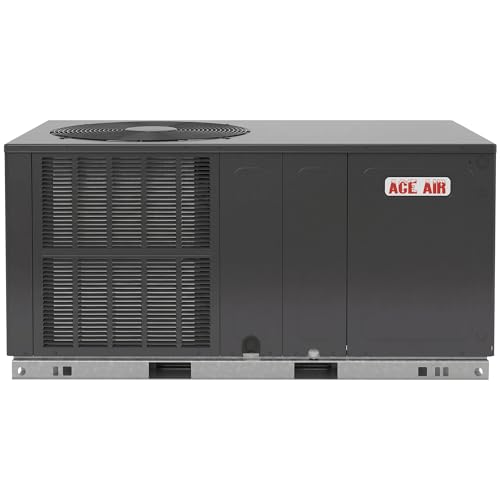
A 3 ton air conditioner is a central cooling system with a capacity of 36,000 BTU per hour. In HVAC terminology, "ton" refers to the amount of heat the unit can remove in one hour — one ton equals 12,000 BTU. This makes a 3 ton unit one of the most common sizes for mid-sized to large residential homes.
Understanding your home's cooling load is the first step before investing in a 3 ton system. Our guide on 3 ton AC unit square feet coverage breaks down the sizing calculations in detail.
How to Know If You Need a 3 Ton AC Unit
Choosing the right capacity is critical. An undersized unit will struggle to cool your home, while an oversized unit will cycle on and off too frequently, leading to uneven temperatures and increased wear. Here are the key factors that point toward a 3 ton system:
Home Size: 1,800–2,200 Sq Ft
A 3 ton unit is generally the sweet spot for homes in this range, assuming standard ceiling heights and average insulation.
Moderate to Hot Climate
In hotter regions, homes closer to 1,800 sq ft may benefit from a 3 ton unit for extra cooling headroom.
Multiple Cooling Zones
A 3 ton system can efficiently serve a two-story home when paired with proper ductwork and zoning controls.
High Ceilings or Large Windows
Spaces with architectural features that increase heat gain often require the additional capacity of a 3 ton unit.
Capacity and Efficiency at a Glance
Here is how a 3 ton AC unit compares to other common sizes and what efficiency ratings to look for:
| Specification | Detail |
|---|---|
| Cooling Capacity | 36,000 BTU per hour |
| Typical Home Size | 1,800 – 2,200 square feet |
| SEER Rating Range | 14 to 25+ depending on tier |
| Power Requirement | 208/230V, dedicated circuit |
| Compressor Type | Single-stage, two-stage, or variable-speed |
| Refrigerant | R-410A or R-32/R-454B (newer models) |
| Best For | Whole-home cooling in mid-sized houses |
Types of 3 Ton AC Systems
A 3 ton cooling capacity is available in several system configurations. Your choice depends on your home's existing infrastructure and your long-term comfort goals.
Central Air Conditioning
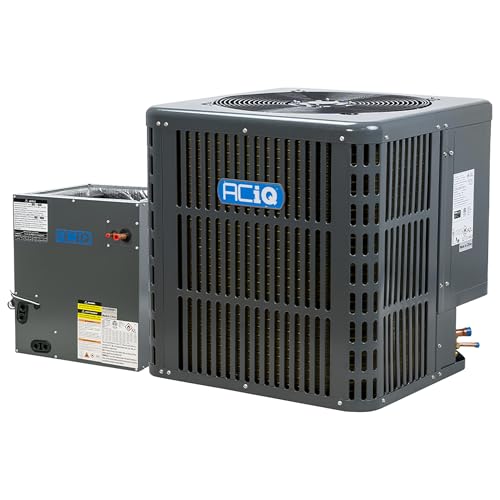
The most common configuration. A 3 ton air conditioning system uses a split design with an outdoor condenser and an indoor evaporator coil connected to ductwork. It is ideal for homes that already have ducts in place.
Heat Pump Systems
A 3 ton central air unit with heat pump offers both cooling and heating in one system, making it a versatile choice for year-round comfort. Heat pumps are especially efficient in moderate climates.
Ductless Mini-Split
For homes without ductwork, a 3 ton mini split system distributes cooling through wall-mounted or ceiling-mounted air handlers. This is an excellent option for additions, older homes, or spaces where duct installation is impractical.
Combined Heating and Cooling
A 3 ton air conditioner and furnace combination provides a complete HVAC solution, handling both summer cooling and winter heating through a shared duct system.
Understanding SEER Ratings for 3 Ton Units
The Seasonal Energy Efficiency Ratio (SEER) measures how efficiently an air conditioner operates over a typical cooling season. Higher SEER ratings indicate greater efficiency. For a 3 ton unit, you will encounter a wide range of efficiency levels:
- Entry-level tier (SEER 14–15): Meets minimum federal standards and is a solid choice for homeowners prioritizing straightforward, dependable cooling.
- Mid-tier (SEER 16–18): Offers a good balance between efficiency and features, often with two-stage compressors for improved comfort and reduced noise.
- High-end tier (SEER 19–22): Variable-speed compressors and advanced controls deliver superior energy efficiency and precise temperature management.
- Top-tier (SEER 23+): The most efficient systems available, featuring cutting-edge compressor technology and smart home integration.
When evaluating efficiency, also consider the EER (Energy Efficiency Ratio) and, for heat pumps, the HSPF (Heating Seasonal Performance Factor). Higher ratings in all categories mean lower energy consumption and a more sustainable long-term investment.
Key Features to Look For
Variable-Speed Compressor
Provides precise temperature control, quieter operation, and better humidity management compared to single-stage units.
Smart Thermostat Compatibility
Modern 3 ton units work with Wi-Fi thermostats for remote control, scheduling, and energy monitoring.
Two-Stage Cooling
Operates at a lower capacity most of the time, ramping up only when needed. This reduces temperature swings and energy use.
Enhanced Filtration
Better filter systems improve indoor air quality by capturing dust, pollen, and other airborne particles.
Pros and Cons of a 3 Ton AC Unit
Advantages
- Ideal capacity for mid-sized and larger homes
- Wide availability of models across all efficiency tiers
- Compatible with central ducted and ductless configurations
- Can be paired with heat pumps for year-round comfort
- Substantial cooling power without excessive energy draw when properly sized
Considerations
- Requires professional load calculation to avoid oversizing
- Needs a dedicated 208/230V electrical circuit
- Installation complexity is higher than window or portable units
- Ductwork inspection and sealing are often necessary
- Not suitable for small apartments or single rooms
Installation Requirements and Costs
Installing a 3 ton AC unit is a significant project that should be handled by a licensed HVAC professional. Key considerations include:
- Electrical service: A 3 ton system typically requires a 208/230V circuit with a dedicated breaker. Check with a licensed electrician to confirm your panel capacity.
- Ductwork: If your home has existing ducts, they should be inspected for leaks and proper sizing. For new installations, duct design is a major part of the project.
- Placement: The outdoor condenser needs adequate clearance for airflow and should be positioned away from windows and property lines.
- Permits: Many jurisdictions require a permit for HVAC replacement or new installation. Your contractor should handle this.
For a detailed breakdown of system components, see our guide on 3 ton AC unit air conditioners.
Maintenance Tips for Long-Term Performance
Regular maintenance keeps your 3 ton unit running efficiently and extends its lifespan:
- Replace or clean air filters every 1–3 months during cooling season.
- Schedule professional maintenance once a year to check refrigerant levels, clean coils, and inspect electrical connections.
- Keep the outdoor unit clear of debris, leaves, and vegetation.
- Ensure ducts are sealed and insulated to prevent cooling loss.
- Use a programmable or smart thermostat to optimize run times.
What to Consider Before Buying
When selecting a 3 ton AC unit, keep these factors in mind:
- Load calculation: Insist on a Manual J load calculation to confirm that 3 tons is the right size for your home.
- Efficiency tier: Decide where you want to land on the efficiency spectrum — entry-level, mid-tier, or high-end — based on your long-term energy goals.
- Compressor type: Single-stage, two-stage, or variable-speed. Each offers different comfort and efficiency trade-offs.
- Brand and warranty: Look for manufacturers with strong warranty coverage and reputable local service networks.
- Contractor quality: Proper installation matters as much as the equipment itself. Choose a licensed, insured, and well-reviewed HVAC contractor.
Frequently Asked Questions
How many square feet does a 3 ton AC unit cool?
A 3 ton AC unit is generally suitable for homes between 1,800 and 2,200 square feet. However, the exact square footage depends on factors like ceiling height, window area, insulation quality, and local climate. A professional load calculation is the only reliable way to confirm.
What is the difference between a 3 ton and a 2.5 ton AC unit?
The primary difference is cooling capacity. A 3 ton unit provides 36,000 BTU per hour, while a 2.5 ton unit provides 30,000 BTU per hour. The larger unit is designed for larger spaces or homes in hotter climates where heat gain is higher.
Is a 3 ton AC unit suitable for a two-story home?
Yes, a 3 ton AC unit can cool a two-story home of roughly 1,800 to 2,200 square feet. However, performance depends heavily on ductwork design and whether the system is zoned. Proper load calculation and duct inspection are essential.
How long does a 3 ton AC unit last?
With proper installation and regular maintenance, a 3 ton AC unit can last 15 to 20 years. Factors such as usage patterns, climate, and maintenance frequency all influence lifespan.
Can I install a 3 ton AC unit myself?
No. Installing a central air conditioning system involves refrigerant handling, electrical work, and ductwork modifications that require licensed professionals. Improper installation can void warranties and create safety hazards.