
3 Ton Air Conditioner and Furnace: The Complete Buyer's Guide
Understand sizing, efficiency ratings, component matching, installation requirements, and maintenance so you can choose the right 3 ton HVAC system for your home with confidence.
EXPLORE TOP PICKSQuick Summary: A 3 ton air conditioner and furnace combo delivers roughly 36,000 BTUs of cooling and pairs with a gas furnace for year-round comfort. It is one of the most common system sizes for mid-sized homes in the 1,800–2,400 sq ft range, and choosing the right efficiency tier and matched components is the key to long-term performance.
What Does "3 Ton" Actually Mean?
In HVAC terminology, "ton" is a measure of cooling capacity, not weight. One ton of cooling equals 12,000 BTUs per hour. Therefore, a 3 ton air conditioner delivers approximately 36,000 BTUs of cooling capacity. When paired with a furnace, the system handles both summer cooling and winter heating in a single, integrated setup.
A 3 ton air conditioner and furnace is typically a split system: an outdoor condenser unit (the AC) paired with an indoor furnace and evaporator coil. The furnace handles heating through gas or electric heat, while the AC handles cooling through refrigerant cycles. Together they form the backbone of a whole-home comfort system.
If you are still comparing system sizes, exploring the broader 3 ton air conditioning system overview can help you understand how tonnage fits into the larger picture of home comfort.
Is a 3 Ton System Right for Your Home?
A 3 ton system is generally appropriate for homes in the 1,800 to 2,400 square feet range, but square footage alone is never enough. Several factors influence the right size:
- Climate zone: Hotter climates may require slightly more capacity; milder climates may need less.
- Insulation quality: Well-insulated homes lose less cooled air and may need a smaller system.
- Window area and orientation: Large south- or west-facing windows increase heat gain.
- Ceiling height: Higher ceilings mean more air volume to condition.
- Occupancy and appliance load: Kitchens, home offices, and server rooms add internal heat.
A professional Manual J load calculation is the only reliable way to confirm whether a 3 ton system is the correct fit. Oversizing leads to short cycling, humidity problems, and premature wear; undersizing leads to discomfort during peak heat. For a detailed look at sizing, see how many square feet a 3 ton AC unit covers.
Efficiency Ratings That Matter
When comparing a 3 ton air conditioner and furnace, two efficiency metrics are most important:
- SEER / SEER2: Measures cooling efficiency. Higher numbers mean more efficient cooling. Modern minimums sit around 14–15 SEER depending on region, while mid-range systems offer 16–18 SEER and top-tier systems exceed 20 SEER.
- AFUE: Measures furnace heating efficiency. Standard furnaces sit around 80% AFUE, while high-efficiency condensing furnaces reach 90–98% AFUE.
Pairing a high-SEER air conditioner with a high-AFUE furnace maximizes year-round efficiency. A matched system—where the outdoor unit, indoor coil, and furnace are designed to work together—will always outperform mismatched components.
If you are considering an all-electric alternative, a 3 ton central air unit with heat pump can replace the furnace entirely in milder climates. For gas heating specifically, the 3 ton gas heating and air conditioning system guide explains the trade-offs.
Components of a 3 Ton AC and Furnace System
A complete system includes several matched parts. Understanding each component helps you ask the right questions during installation and maintenance:
- Outdoor condenser unit: The AC side, rated at 3 tons (36,000 BTU). Houses the compressor and condenser coil.
- Indoor evaporator coil: Mounted on or inside the furnace; absorbs heat from indoor air.
- Furnace: Provides heating; gas, electric, or hybrid. Must be matched to airflow requirements.
- Ductwork: Distributes conditioned air. Leaky ducts can waste a significant share of system capacity. See guidance on 4-inch ductwork for sizing considerations.
- Thermostat: Controls both heating and cooling. Smart thermostats improve scheduling and efficiency. A 2-wire AC thermostat is a common upgrade consideration for simpler systems.
Installation Considerations
Proper installation is the difference between a system that runs efficiently for 15 years and one that struggles from day one. Key installation factors include:
- Refrigerant line sizing and length: Incorrect line sets reduce capacity and efficiency.
- Electrical requirements: A 3 ton system typically requires a dedicated 240V circuit and appropriately sized breaker. See 220 electrical outlet guidance and 30 amp AC plug specifications.
- Airflow and static pressure: The furnace blower must match the evaporator coil and duct design.
- Condensate management: Proper drainage prevents water damage and mold.
- Permits and codes: Most jurisdictions require permits for HVAC replacement.
If your home already has a 3 ton system, replacing it with a matched unit of the same capacity is often the simplest path—but if your home has changed (added insulation, new windows, an addition), a fresh load calculation is strongly advised. For reference, the 3 ton AC unit air conditioner overview covers replacement scenarios in detail.
Maintenance for Long-Term Performance
A 3 ton air conditioner and furnace will reward consistent maintenance with reliable service. Recommended practices include:
- Replace air filters every 1–3 months. A clogged filter strains the blower and reduces efficiency. If you use a 16x25x1 filter, check the 16x25x1 furnace filter guide for selection tips.
- Schedule annual AC and furnace tune-ups. Spring for AC, fall for furnace.
- Clean condenser coils annually. Dirt buildup is one of the most common causes of inefficiency.
- Inspect ductwork for leaks. Sealed ducts can recover a noticeable share of lost capacity.
- Monitor refrigerant charge. Low refrigerant signals a leak, not normal consumption.
For broader troubleshooting, the 24-hour heating and air conditioning service resource is useful when issues arise outside normal business hours.
Comparing 3 Ton Systems by Tier
The table below groups 3 ton air conditioner and furnace systems by market tier. Use it to understand what to expect at each level without referencing specific pricing:
| Tier | Typical Efficiency Range | Best For |
|---|---|---|
| Entry-Level | 14–15 SEER / 80% AFUE | Basic replacement, mild climates, simple setups |
| Mid-Range | 16–18 SEER / 80–90% AFUE | Balanced efficiency, most homes, long-term value |
| Top-Tier | 19–22+ SEER / 95%+ AFUE | Maximum efficiency, variable-speed comfort, extreme climates |
Entry-level systems are the essential tier, mid-range systems offer the balanced tier most homeowners choose, and top-tier systems represent the high-end tier with premium comfort features like variable-speed compressors and modulating furnaces.
Recommended 3 Ton Air Conditioners and Furnaces
⚠️ AFFILIATE DISCLOSURE: This website contains affiliate links. As an Amazon Associate, we earn from qualifying purchases. If you make a purchase through these links, we may receive a small commission at no additional cost to you. Read our full affiliate policy.

3 Ton 14.5 SEER2 AC & 80% 60K BTU Natural Gas Furnace Split System - U/H
Check price on Amazon
3 Ton 14.5 SEER2 AC & 96% 80K BTU Natural Gas Furnace Split System - U/H
Check price on Amazon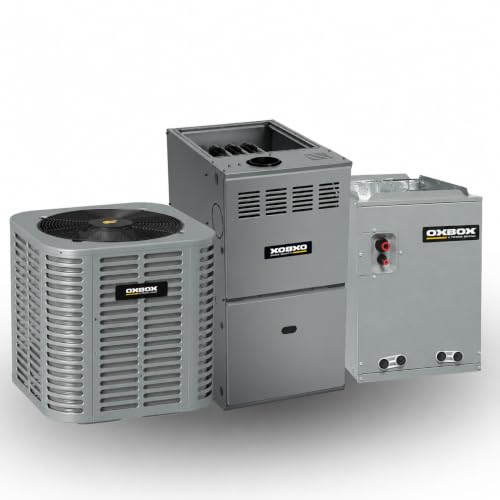
3 Ton AC System 80,000 BTU Gas Furnace 13.4 SEER2 Oxbox by Trane
Check price on Amazon
Goodman 3 Ton 14 SEER2 80% AFUE 60,000 BTU R-32 Air Conditioner & Gas Furnace System (GLXS3BN3610, CAPTA3626B3, GR9S800603BN)
Check price on Amazon
Air conditioner 3 ton run tru by trane
Check price on Amazon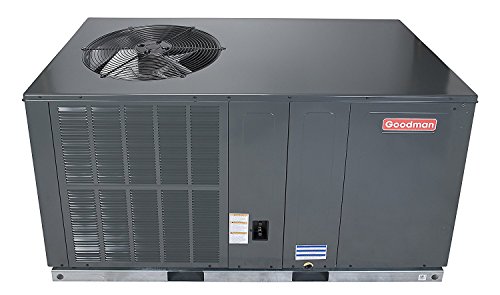
Goodman 3 TON 13.4 SEER2 Horizontal AC Only Packaged Unit (GPCH33631)
Check price on Amazon
3 Ton AC System 80,000 BTU Gas Furnace 13.4 SEER2 Oxbox by Trane
Check price on Amazon
Senville Central Air Conditioning System, Heat Pump, Inverter, 3 Ton | 36000 BTU Air Handler and Condenser Included, 208/230V, Whole House Air Conditioner
Check price on AmazonFrequently Asked Questions
What size home is a 3 ton air conditioner and furnace best for?
A 3 ton system is generally well-suited for homes around 1,800 to 2,400 square feet, depending on climate, insulation quality, window area, and ceiling height. A professional Manual J load calculation is always recommended.
How many BTUs does a 3 ton air conditioner produce?
A 3 ton air conditioner produces approximately 36,000 BTUs of cooling capacity. Tonnage in HVAC refers to cooling capacity, not physical weight.
What SEER rating should I look for in a 3 ton system?
Modern minimum efficiency standards require at least 14 to 15 SEER depending on region. Mid-range systems typically offer 16 to 18 SEER, while top-tier systems can reach 20 SEER or higher.
Can I replace just the AC or just the furnace in a 3 ton system?
Yes, but matching components is critical. Replacing only one part of the system can reduce overall efficiency and may void warranties. A matched system is always recommended for optimal performance.
How long does a 3 ton air conditioner and furnace last?
With proper installation and annual maintenance, a 3 ton air conditioner typically lasts 12 to 15 years, while a furnace can last 15 to 20 years. Regular servicing extends the lifespan of both components.
Final Thoughts
A 3 ton air conditioner and furnace is a substantial investment in year-round home comfort. The right choice depends on a proper load calculation, matched components, and an efficiency tier that fits your climate and usage. Whether you are replacing an aging system or installing in a new build, prioritize professional sizing, matched equipment, and consistent maintenance. If you are still weighing alternatives, exploring related options like the 3 ton mini split, the 3 ton heat pump split system for mobile homes, or a 3 ton condensing unit can help you compare configurations before committing.