Air Conditioner Shopping Guide
Everything you need to compare, shortlist, and confidently choose the right air conditioner for your room, home, or workspace. Learn the essentials before you buy.
Open the Buyer's ChecklistWhy this guide matters: Most shoppers already know which type of air conditioner they want. What they need is clarity on sizing, efficiency, features, installation requirements, and long-term reliability. This guide turns research into a confident purchase decision.
Start With the Right AC Type
Your first decision shapes everything else: sizing, installation, ductwork, and maintenance. Use the overview below to match a category to your space, then explore the detailed guides for each type.
Central Air Conditioning
Best for whole-home cooling with existing ductwork. Delivers even temperatures across rooms and supports zoning. Requires professional installation and a load calculation.
Ductless Mini-Split
Ideal for homes without ducts, additions, and room-by-room control. Quiet indoor heads and flexible zoning make it a popular mid-range and premium choice.
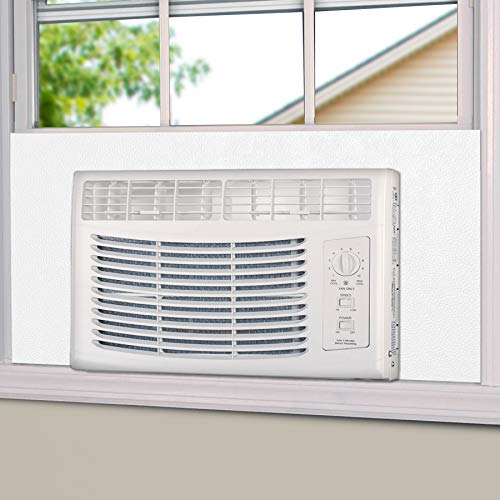
Window AC
A practical essential-tier solution for single rooms. Simple installation in compatible windows and straightforward maintenance make it a solid starter option.
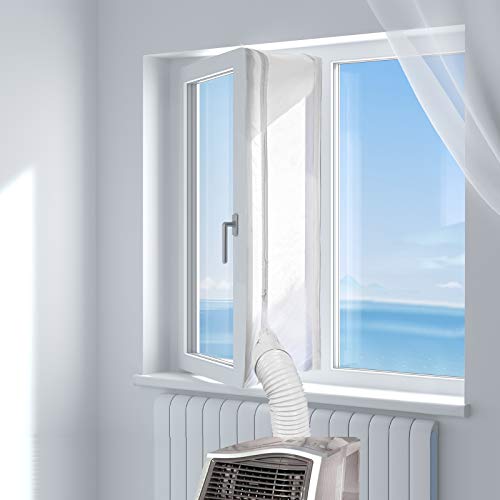
Portable AC
Flexible cooling for renters and temporary spaces. Moves between rooms and needs a window vent kit. Choose capacity carefully to match room size.
Through-the-Wall AC
Permanent in-wall installation that frees up window space. Common in hotels and older homes with existing sleeves. Requires wall modification.
Inverter AC
Variable-speed compressor technology that holds a steady temperature. Quieter operation and efficient long-run performance compared to fixed-speed cycling.
For a structured walkthrough of every category, see the full AC buying guide. If you are comparing specific form factors, the split-type ductless system overview and the home air conditioner reference are useful next steps.
Size the Unit Correctly
An undersized unit runs continuously and struggles on hot days. An oversized unit cools quickly but short-cycles, leaving humidity high and wear uneven. Correct sizing is the single most important technical decision in the shopping process.
Start with a BTU baseline of roughly 20 BTU per square foot of living space. Then adjust upward for high ceilings, large windows, direct sun exposure, poor insulation, kitchens, and rooms with multiple occupants or heat-generating electronics.
| Room Size | Baseline Capacity | Best For |
|---|---|---|
| Up to 150 sq ft | 5,000 - 6,000 BTU | Bedrooms, studios, home offices |
| 150 - 250 sq ft | 8,000 - 10,000 BTU | Medium bedrooms, small living rooms |
| 250 - 400 sq ft | 12,000 - 14,000 BTU | Large bedrooms, open living areas |
| 400 - 700 sq ft | 18,000 - 24,000 BTU | Open-plan spaces, small apartments |
| 700 - 1,500 sq ft | 24,000 - 36,000 BTU | Whole-home or multi-zone coverage |
| 1,500+ sq ft | 36,000 - 60,000 BTU+ | Large homes, commercial spaces |
Use this table as a starting point only. Central systems should be sized with a professional load calculation such as Manual J.
For larger properties, the 1,200 square foot sizing guide and the 1,500 sq ft system overview provide deeper context. Small-space shoppers can compare the small apartment AC options and the efficient 5,000 BTU category.
Understand Efficiency Ratings
Efficiency ratings translate directly into long-term running performance. Learn what each metric means before comparing models.
- SEER2 measures cooling efficiency across a season. Higher values indicate greater efficiency. Current DOE minimums vary by region, so confirm the requirement for your state.
- EER2 measures efficiency at peak conditions. Useful for hot climates where the unit runs hard during the hottest part of the day.
- HSPF2 applies to heat pump models and measures heating efficiency across a season.
- ENERGY STAR certification indicates the model exceeds baseline federal standards and is a reliable shortcut for efficiency-focused shoppers.
For a deeper explanation, read the SEER ratings overview. Efficiency-focused buyers should also explore the ENERGY STAR 6,000 BTU window unit and the general cooling systems reference.
Features Worth Paying Attention To
Features are where entry-level, mid-range, and premium tiers separate most clearly. Prioritize the ones that affect daily comfort, reliability, and maintenance.
Inverter Compressor
Modulates speed for steady temperatures and quieter operation. A hallmark of mid-range and premium units.
Smart Controls
Wi-Fi and app control, scheduling, and voice assistant integration. Useful for remote management and energy awareness.
Heat Pump Function
Adds year-round heating capability to a cooling system. Popular in mild climates and for replacing separate heating units.
Air Filtration
Multi-stage filters and washable mesh screens improve indoor air quality and reduce maintenance frequency.
Quiet Operation
Measured in decibels. Lower dB ratings matter most in bedrooms, home offices, and open living areas.
Self-Cleaning Cycle
Reduces moisture and odor buildup in the indoor coil. Common in mid-tier and high-end tier mini-splits.
Buyers comparing compressor technology should review the combined heating and cooling units overview and the window unit combo reference. For homes with an existing furnace, adding cooling is explained in the furnace add-on guide.
Installation and Electrical Requirements
Installation quality determines whether a good unit performs well. Before you commit to a model, confirm the electrical and physical requirements for your space.
- Circuit capacity: Window and portable units often run on standard household circuits, while central and mini-split systems typically require dedicated circuits.
- Voltage: Confirm whether the unit needs 110V or 240V service and whether your panel supports it.
- Clearances: Outdoor condensers need airflow clearance and a stable pad. Indoor heads need wall space and drainage routing.
- Permits: Most jurisdictions require permits for central systems, heat pumps, and new electrical work.
- Line sets: Mini-split installations depend on correct line-set length and refrigerant charge.
The installation breakdown explains what to expect during a professional install. If you are evaluating a replacement rather than a new installation, the replacement overview and the replacement options guide cover the decision path.
Warranty, Service, and Long-Term Reliability
A strong warranty protects your investment. Read the terms before you buy, and register the product promptly after installation.
- Compressor coverage: Often the longest component warranty. Confirm whether parts and labor are both included.
- Labor coverage: Shorter than parts coverage on most brands. Ask the installer about extended labor protection.
- Registration: Many manufacturers require registration within a set window to activate full coverage. See the warranty registration guide.
- Service network: Check whether authorized technicians are available in your area before choosing a brand.
Reliability also depends on maintenance. Annual coil cleaning, filter replacement, and drain-pan care extend service life. The condenser maintenance guide and the drain pan cleaning reference cover the essentials. For mini-splits, the mini-split cleaning guide is a practical companion.
The Air Conditioner Buyer's Checklist
Use this checklist before finalizing any purchase. It covers the decisions that matter most and prevents common mistakes.
Before You Buy
- Measure the room and calculate a BTU baseline with adjustments for sun, ceilings, and occupancy.
- Confirm the AC type fits your space, ductwork, and window or wall configuration.
- Verify the electrical circuit, voltage, and breaker capacity.
- Check the efficiency rating and confirm it meets regional DOE minimums.
- Read the warranty terms, including compressor, parts, and labor coverage.
- Confirm whether a permit is required and who will file it.
- Review the installation scope: line sets, drainage, pad, and clearances.
- Compare features across entry-level, mid-range, and premium tiers.
- Check the service network and availability of authorized technicians.
- Plan a maintenance schedule for filters, coils, and drain components.
Common Shopping Mistakes to Avoid
- Buying by room size alone: Ignoring sun exposure, ceiling height, and insulation leads to undersized or oversized units.
- Chasing the highest efficiency without correct sizing: A high-efficiency unit that is the wrong size will underperform.
- Overlooking installation quality: Poor installation erodes efficiency and shortens service life.
- Skipping the warranty registration: Many brands reduce coverage if the product is not registered on time.
- Ignoring noise ratings: Bedroom and office installations benefit from lower decibel ratings.
- Forgetting maintenance access: Confirm filters and coils are reachable for routine cleaning.
If you are shopping seasonally, review the best time to buy an AC overview to understand how timing affects availability and selection. Replacement-focused shoppers can also compare repair services with new-unit options.
Ready to Shortlist Models?
Use the checklist above to narrow your options, then compare specific products in the recommended section below.
Explore Recommended Models