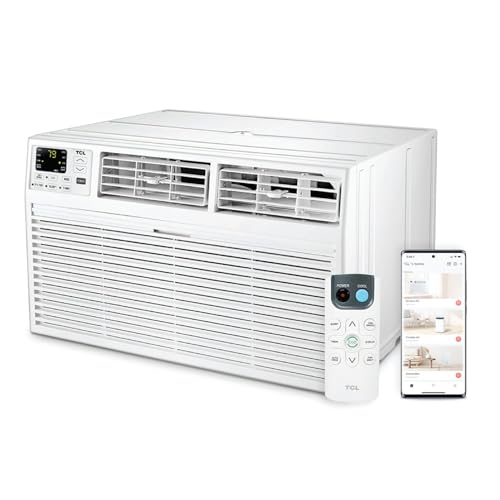
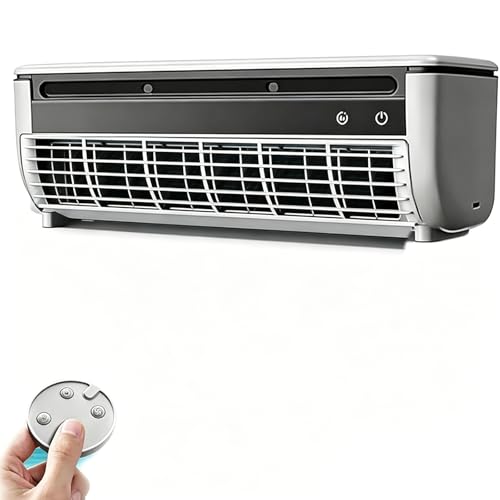
Wall Mounted Air Conditioner: Complete Buying Guide
Understand how high-wall ductless systems work, what to check before buying, and how to match a wall-mounted unit to your room, climate, and daily routine.
START LEARNINGWhat Is a Wall Mounted Air Conditioner?
A wall-mounted air conditioner, often called a high-wall unit or wall-mounted ductless mini-split, is a split-system cooling solution with two main components. The indoor air handler is mounted high on a wall, typically 6 to 8 feet above the floor, and the outdoor unit houses the compressor and condenser. Refrigerant lines, power wiring, and a condensate drain connect the two parts through a small hole in the wall.
Unlike a window unit, a wall-mounted air conditioner does not block a window or require a large opening. Unlike central air, it does not depend on a network of ducts. This combination makes it a strong fit for single rooms, additions, and homes where ductwork is missing or difficult to extend. Many modern models are inverter-driven, which means the compressor modulates its speed instead of switching on and off abruptly, improving comfort and efficiency in the long run.
The indoor unit pulls warm room air through a filter, passes it over a cold evaporator coil, and blows cooled air back into the room. The outdoor unit releases the absorbed heat. Because the indoor unit is mounted high, conditioned air is distributed from above, which helps with even cooling when the louver direction is set correctly.
How a High-Wall Split System Works
The cooling cycle relies on refrigerant moving between the indoor and outdoor units. Inside the room, the evaporator coil absorbs heat from the air. The refrigerant then travels to the outdoor unit, where the condenser releases that heat into the outside air. A compressor drives the cycle, and an expansion valve controls refrigerant flow.
Moisture removed from the room air collects on the evaporator coil and drains away through a condensate line. If that line clogs or is installed with the wrong slope, water can back up and drip from the indoor unit. Proper installation and periodic checks of the drip pan and drain line prevent most water-related problems.
Inverter models adjust compressor speed continuously. When the room is close to the set temperature, the compressor slows down rather than shutting off completely. This reduces temperature swings and is generally more efficient during long operating periods. Non-inverter models run at a fixed speed and cycle on and off, which can be acceptable for rooms used intermittently.
Key Benefits of Wall-Mounted Units
No Ductwork Required
Installation avoids the complexity of running ducts through walls, ceilings, or attics, which is a major advantage in older homes and room additions.
Room-by-Room Control
Each indoor unit can have its own setpoint, so unused rooms can be left off while occupied rooms stay comfortable.
Preserves Windows
The unit mounts on a wall rather than in a window opening, keeping natural light and window access intact.
Quiet Indoor Operation
Because the compressor sits outside, the indoor unit is generally quieter than a window or portable unit of similar capacity.
Flexible Placement
High-wall mounting distributes air from above and keeps the unit out of floor space, which matters in smaller rooms.
Efficiency Potential
Many wall-mounted systems are inverter-driven and carry competitive efficiency ratings for their class, especially in well-sealed rooms.
Types and Configurations
Single-Zone Wall-Mounted Systems
A single-zone system pairs one indoor high-wall unit with one outdoor unit. This is the most common configuration for cooling a single room, a bedroom, a home office, or a small apartment. It is straightforward to size and install, and it keeps the investment focused on the space that actually needs conditioning.
Multi-Zone Wall-Mounted Systems
A multi-zone system connects several indoor units to one outdoor unit. Different rooms can use high-wall indoor units while sharing outdoor equipment. This can be a practical approach for a whole apartment or a house with several rooms, but it requires careful load calculations and a professional design so that the outdoor unit is not undersized when multiple zones run at once.
Inverter vs Non-Inverter Wall Units
Inverter wall-mounted units modulate compressor speed and generally hold room temperature more steadily. Non-inverter units run at fixed speed and cycle on and off. For rooms used for long stretches, inverter models are usually the more comfortable and efficient choice. For occasional use, a well-sized non-inverter unit can still serve the purpose. The dual inverter design is a further refinement that uses two compressors or variable control for smoother output.
Heating and Cooling Wall Units
Many wall-mounted systems are heat pumps, meaning they can reverse the refrigerant cycle to provide heating in cooler months. A wall unit that handles both heating and cooling can be a practical year-round solution in mild to moderate climates, reducing the need for a separate heating appliance.
Sizing and Capacity Guidance
Capacity is measured in BTU per hour, and getting it right matters more than almost any other decision. An undersized unit struggles on hot days and runs continuously, while an oversized unit cools quickly but may leave the room feeling clammy because it does not run long enough to remove humidity. Use the room's square footage as a starting point, then adjust for ceiling height, sun exposure, insulation, window area, and the number of occupants.
As a rough reference, a 5,000–6,000 BTU unit suits a small room up to about 150 square feet. An 8,000–10,000 BTU unit fits roughly 150–250 square feet. A 12,000–14,000 BTU unit suits about 250–400 square feet. Larger rooms generally call for 18,000 BTU and above, and at that point a professional load calculation is the safer route. A proper Manual J load calculation accounts for construction details that simple square-footage rules miss.
Climate also matters. A room with west-facing glass and poor insulation may need a step up in capacity compared with the same square footage in a shaded, well-insulated space. If you are unsure, the BTU calculator by room size offers a structured starting point before you consult a technician.
Features That Matter
Modern wall-mounted air conditioners vary widely in their feature sets. The following are worth evaluating based on how you plan to use the room.
- Inverter compressor: Smoother temperature control and generally better efficiency during long run times.
- Efficiency rating: Higher SEER2 values indicate more efficient cooling. Check the SEER rating and the newer SEER2 standard, and confirm the unit is appropriate for your climate zone.
- Smart controls: Wi-Fi and app control allow scheduling and remote adjustment. A programmable thermostat or app-based schedule can reduce waste when the room is empty.
- Air filtration: Washable filters are standard. Some units add finer filtration or self-cleaning cycles that reduce maintenance effort.
- Noise level: Check the indoor unit's decibel rating, especially for bedrooms. Quiet operation is a meaningful comfort factor.
- Louver control: Adjustable horizontal and vertical louvers help direct air where it is needed and avoid blowing directly on occupants.
- Heat pump function: Useful if you want a single unit to handle both cooling and mild heating.
Installation Requirements
Wall-mounted systems are less invasive than central air, but they still require proper planning. The indoor unit needs a sturdy wall location with enough clearance above and below for airflow. The outdoor unit needs a level surface or mounting bracket with adequate clearance for heat rejection and service access. The refrigerant line set, drain line, and power cable route through a hole in the wall, which should be sealed properly to prevent drafts and moisture intrusion.
Electrical Considerations
Most wall-mounted systems require a dedicated circuit. Smaller units may run on 110–120V, while larger capacity units typically need 220–240V. Check the amps and breaker size requirements before installation, and confirm whether your electrical panel has capacity for the new circuit. If you are unsure, consult a licensed electrician.
Placement Matters
Indoor placement affects comfort. Avoid mounting the unit where it blows directly onto a bed, desk, or seating area for long periods. Keep it away from heat sources and obstructions. Outdoor placement affects efficiency: a unit in direct sun or with restricted airflow works harder. The indoor and outdoor placement guide covers these trade-offs in more detail.
Professional vs DIY
Some homeowners consider DIY installation to reduce upfront effort, but refrigerant handling, vacuuming the line set, and electrical connections require specialized tools and training. Improper installation can void warranties and cause refrigerant leaks or performance problems. For most buyers, hiring a qualified installer is the more reliable path. The contractor selection guide explains what to ask before signing.
Maintenance and Longevity
Wall-mounted units are relatively low-maintenance, but regular care extends their service life and preserves efficiency. The most important routine task is cleaning or replacing the air filter. A clogged filter restricts airflow, reduces cooling, and strains the system. Depending on use and dust levels, filters should be checked every few weeks during peak season.
The evaporator coil and blower wheel can accumulate dust over time. A filter cleaning routine and periodic coil cleaning help maintain performance. The outdoor condenser coil should be kept clear of leaves, dirt, and debris. The condensate drain line should be checked for clogs, especially before the cooling season begins. If water drips from the indoor unit, a blocked drain or a leaking water issue is the usual cause.
Annual professional service is worth considering. A technician can check refrigerant charge, inspect electrical connections, clean coils, and verify that the system is operating within specifications. The seasonal AC checklist provides a structured maintenance schedule for both DIY and professional tasks.
Wall-Mounted vs Other AC Types
Choosing between a wall-mounted unit and other cooling options depends on the room, the building, and how long you plan to stay. The table below compares the main alternatives on practical dimensions.
| Feature | Wall-Mounted Mini-Split | Window AC | Portable AC | Central AC |
|---|---|---|---|---|
| Ductwork | Not required | Not required | Not required | Required |
| Window opening | Not required | Required | Vent kit needed | Not required |
| Indoor noise | Low | Moderate to high | Moderate | Low |
| Cooling scope | Single room or zone | Single room | Single room | Whole home |
| Installation complexity | Moderate, professional | Low, DIY-friendly | Very low | High, professional |
| Best for | Rooms without ducts, long-term comfort | Small rooms, simple setup | Temporary or rental use | Whole-home cooling with existing ducts |
For rooms without windows or with unusual window shapes, a wall-mounted unit can be more practical than a window AC. If the building has no ductwork and adding it is impractical, a ductless system is often the most straightforward path. For whole-home cooling where ducts already exist, central air remains the conventional choice. The ductless vs ducted comparison explores these trade-offs further.
Buying Checklist
Before selecting a wall-mounted unit, work through the following points. They cover the decisions that most often lead to satisfaction or regret after installation.
- Measure the room accurately. Include ceiling height, window area, and sun exposure. Use a BTU reference or a professional load calculation to establish a capacity range.
- Decide on single-zone or multi-zone. If multiple rooms need cooling, plan the layout before buying so the outdoor unit can support the intended zones.
- Choose inverter or non-inverter. Inverter models suit long, regular use; non-inverter models can work for occasional use in well-sized rooms.
- Check the efficiency rating. Compare SEER2 values and confirm the unit is appropriate for your climate zone.
- Confirm electrical requirements. Verify voltage, amperage, and breaker capacity. Plan for a dedicated circuit if needed.
- Plan the indoor and outdoor locations. Ensure wall strength, clearance, and service access. Keep the indoor unit away from direct seating or sleeping areas if possible.
- Review warranty terms. Understand what the warranty covers and whether professional installation is required to keep it valid.
- Get installation quotes. Compare itemized quotes that include line set length, electrical work, and disposal of old equipment if applicable.
- Consider long-term service. Check local availability of technicians familiar with the brand and model you choose.
For a broader planning framework, the AC shopping guide and the sizing guide provide additional context. If you are comparing a wall unit with a floor-standing option, the floor AC overview is a useful complement.
Frequently Asked Questions
Can a wall-mounted air conditioner cool more than one room?
A single indoor unit is designed to cool the space it is installed in. To cool multiple rooms, you need either a multi-zone system with additional indoor units or a ducted solution. Trying to push air from one room into another with fans is inefficient and usually disappointing.
Do wall-mounted units require a window?
No. The indoor unit mounts on a wall and connects to an outdoor unit through a small hole. This makes wall-mounted systems suitable for rooms without windows, subject to electrical and installation requirements. See the guidance on cooling a room without a window for related considerations.
How long does installation take?
A straightforward single-zone installation typically takes several hours. Factors that extend the timeline include long line sets, electrical work, difficult wall access, and outdoor unit mounting. Get an itemized quote and timeline before the work begins.
Is a wall-mounted unit noisy?
The indoor unit is generally quieter than a window or portable unit because the compressor is outside. Noise levels vary by model, so check the indoor unit's decibel rating, especially if the room is a bedroom.
Can I install a wall-mounted AC myself?
Refrigerant handling, line-set vacuuming, and electrical connections require specialized tools and training. Improper installation can void warranties and cause leaks or performance issues. For most buyers, professional installation is the more reliable choice. The electrical requirements overview explains the electrical side.
What maintenance does a wall-mounted unit need?
Regular filter cleaning, periodic coil cleaning, drain line checks, and outdoor unit clearance are the core tasks. Annual professional service is worth considering to verify refrigerant charge and electrical connections. The maintenance guide covers the full routine.
Ready to Compare Wall-Mounted Options?
Use the checklist above to narrow your requirements, then explore recommended models that match your room size, climate, and feature priorities.
Explore Recommended Units