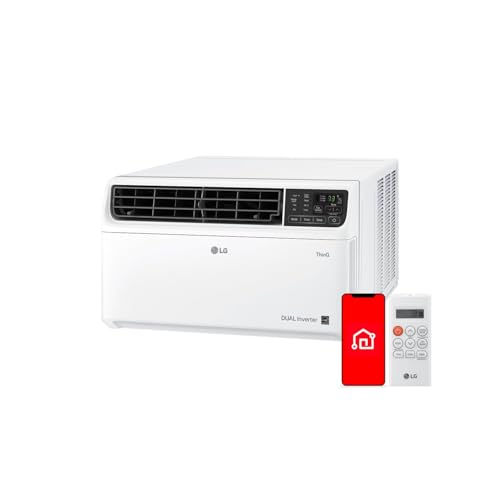
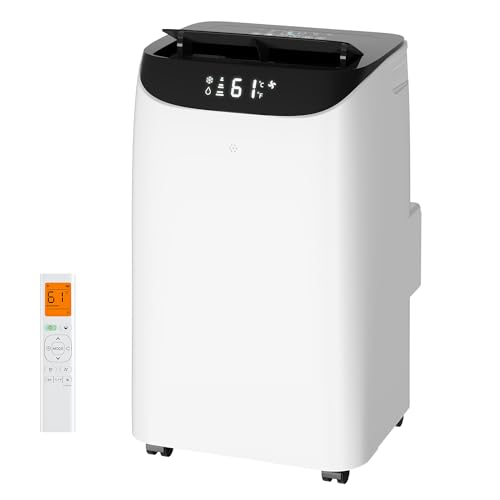
Air Conditioner Dual Inverter: A Complete Guide
Understand how dual inverter technology works, why it matters for comfort and efficiency, and how to choose the right model for your room without the guesswork.
Quick summary: A dual inverter air conditioner uses two inverter compressors working together to deliver smoother capacity control, quieter operation, and better part-load efficiency than a single inverter unit. It is a smart choice for rooms where temperatures fluctuate and for buyers who want long-term energy savings.
What Is a Dual Inverter Air Conditioner?
An air conditioner dual inverter is a cooling system that uses two inverter-driven compressors instead of one. In a conventional single inverter AC, one compressor varies its speed to match the cooling demand. In a dual inverter setup, two compressors share the workload, allowing the system to run at lower speeds for longer periods while still ramping up quickly when the room gets hot.
This design is especially useful in bedrooms, living rooms, and home offices where the cooling load changes gradually. Instead of switching the compressor on and off in sharp cycles, the dual inverter system adjusts smoothly, which reduces temperature swings and keeps noise levels low.
If you are still exploring the broader category, our guide to inverter portable air conditioners explains how inverter technology adapts to different form factors.
How Dual Inverter Technology Works
To appreciate the benefits, it helps to understand the basic mechanics. A standard non-inverter AC runs its compressor at a fixed speed and turns it on or off to maintain temperature. A single inverter AC uses a variable-speed compressor that can slow down or speed up. A dual inverter AC adds a second compressor, and the control board decides how many compressors are needed and at what speed.
The result is a more granular range of cooling output. On mild days, one compressor may run at a low speed. On hot afternoons, both compressors can work together. This flexibility is what gives dual inverter units their reputation for efficiency and comfort.
Key components in a dual inverter system
- Two inverter compressors: They share the cooling load and operate across a wide speed range.
- Inverter control board: It manages compressor speed and decides when to engage both compressors.
- Variable-speed fans: Indoor and outdoor fans adjust speed to match the compressor output.
- Sensors and thermostat: They provide continuous feedback so the system can fine-tune its output.
The condenser unit and the evaporator coil are still central to the cooling cycle, but the dual inverter design changes how the compressor responds to load changes.
Dual Inverter vs Single Inverter vs Non-Inverter
Buyers often compare dual inverter models with single inverter and non-inverter units. The table below summarizes the main differences without focusing on price or currency figures.
| Feature | Non-Inverter | Single Inverter | Dual Inverter |
|---|---|---|---|
| Compressor operation | Fixed speed, on/off cycles | Variable speed, one compressor | Variable speed, two compressors |
| Temperature stability | Noticeable swings | Good | Excellent |
| Part-load efficiency | Lower | Good | Very good to excellent |
| Noise level | Higher during start/stop | Moderate | Low, especially at low load |
| Best for | Occasional use, starter tier | Everyday residential use | Comfort-focused, long-run use |
For a broader comparison of compressor technologies, see our article on air conditioner HVAC systems and how different configurations fit different homes.
Benefits of Choosing a Dual Inverter AC
Dual inverter models are positioned as a premium or high-end tier option in many product lines. The advantages are most noticeable in rooms that are used for long hours, such as bedrooms and living areas.
1. Smoother temperature control
Because two compressors can run at low speeds, the system avoids the sharp cooling blasts and long pauses typical of non-inverter units. This creates a more consistent room temperature and reduces the feeling of cold spots near the indoor unit.
2. Better efficiency at partial load
Most air conditioners run at partial load for much of the day. Dual inverter systems are designed to operate efficiently in this range by using only the compressor capacity needed. This is why they are often described as efficient in the long run, especially in climates with moderate cooling seasons.
3. Quieter operation
At low load, the compressors and fans can run at reduced speeds, which lowers sound output. This is a meaningful benefit for light sleepers and for open-plan living spaces where the AC runs in the background.
4. Faster pull-down when needed
When the room is hot, both compressors can engage to bring the temperature down quickly. After the setpoint is reached, the system settles into a low-speed maintenance mode. This combination of quick pull-down and gentle maintenance is a key selling point.
5. Better humidity management
Longer low-speed run times allow the evaporator coil to remove moisture more consistently. In humid areas, this can improve comfort even when the thermostat setting is moderate.
If your current unit is struggling to cool, it may not be a compressor technology issue. Our troubleshooting guide on air conditioner running but not cooling covers common causes and fixes.
What to Check Before Buying a Dual Inverter AC
Dual inverter is a technology, not a guarantee of performance. The right choice depends on room size, insulation, climate, and usage patterns. Use the checklist below to evaluate models systematically.
Capacity and room sizing
An oversized unit will cycle more often and may not deliver the efficiency benefits of the dual inverter design. An undersized unit will run continuously and struggle on hot days. Match the cooling capacity to the room’s square footage and heat load. Our guides on air conditioners for living room and kitchen and air conditioners for a one-bedroom apartment provide practical sizing context.
Efficiency ratings and real-world use
Look for recognized efficiency ratings and compare them within the same capacity class. A high-efficiency dual inverter model may have a higher upfront position in the market, but it can be a worthwhile investment if you run the AC for many hours per day. Avoid comparing efficiency labels across different capacities without context.
Noise and indoor unit placement
Even quiet systems can feel loud if the indoor unit is mounted directly above a bed or workspace. Check the sound level specifications and plan the installation location carefully. Our guide on air conditioners mounted on the wall covers placement considerations.
Installation quality
Dual inverter systems rely on precise refrigerant charge and proper airflow. Poor installation can erase the efficiency advantages. Work with qualified installers and confirm that the system is commissioned according to the manufacturer’s specifications. For context on how installation affects performance, see air conditioner condenser and air handler.
Features that matter
- Programmable thermostat: Scheduling reduces unnecessary runtime. See programmable thermostat guidance.
- Sleep mode and fan speeds: Useful for bedrooms and night-time comfort.
- Self-diagnosis and error codes: Helps with maintenance and troubleshooting.
- Filter access: Easy filter cleaning supports long-term efficiency.
Common Misconceptions About Dual Inverter ACs
“Dual inverter means two indoor units”
No. Dual inverter refers to the compressor configuration in the outdoor unit. It is not the same as a multi-split system with two indoor units. If you need cooling for two rooms, a multi-split or separate systems may be more appropriate.
“Dual inverter is always better”
Dual inverter is a strong option for comfort-focused buyers, but it is not automatically the best fit for every room. For a small room used only occasionally, a simpler single inverter or non-inverter unit may be a more practical match. The right choice depends on how the room is used and how long the AC runs.
“Inverter technology fixes all cooling problems”
Inverter technology improves part-load efficiency and comfort, but it does not repair a refrigerant leak, a blocked filter, or a failing fan motor. If your AC is on but not cooling, the issue may be unrelated to the compressor type. Our articles on air conditioner is on but no cold air and air conditioner not blowing cold air can help you diagnose the problem.
Maintenance Tips for Dual Inverter Systems
Dual inverter units benefit from the same basic maintenance as other AC types, with a few technology-specific points.
- Clean or replace filters regularly: Restricted airflow forces the system to work harder and can reduce the efficiency advantage of the dual inverter design.
- Keep the outdoor unit clear: Debris around the condenser unit reduces heat rejection and raises energy use.
- Check for refrigerant issues early: Weak cooling or ice on the coils may indicate a refrigerant problem. See air conditioner freezing outside for related symptoms.
- Schedule professional servicing: An annual check helps verify compressor operation, electrical connections, and refrigerant charge.
- Watch for water leaks: A clogged drain line can cause water issues. Our guide on air conditioner leaking water solution explains common causes.
Dual Inverter ACs in Different Room Types
The value of dual inverter technology varies by room. Below is a practical overview.
| Room Type | Fit for Dual Inverter | Notes |
|---|---|---|
| Bedroom | Excellent | Quiet low-speed operation and stable temperature support sleep quality. |
| Living room | Very good | Handles variable occupancy and heat loads well. See living room and kitchen guide. |
| Home office | Very good | Long run times benefit from efficient part-load performance. |
| Small apartment | Good | Match capacity carefully; oversized units lose efficiency. See apartment AC guide. |
| Large house | Depends on layout | For whole-home cooling, compare with whole-house AC options. |
| Basement | Good | Consider humidity control and drainage. See basement water leak guide. |
Frequently Asked Questions
Is a dual inverter AC better than a single inverter AC?
It depends on usage. Dual inverter models generally offer smoother temperature control and better part-load efficiency, which is valuable for rooms used for long periods. For occasional use or small rooms, a single inverter model may be sufficient.
Does dual inverter mean the AC has two compressors?
Yes. In most residential dual inverter systems, the outdoor unit contains two inverter compressors that share the cooling load. This is different from a multi-split system, which has multiple indoor units connected to one outdoor unit.
Can dual inverter ACs run on low voltage?
Many models are designed to operate across a range of voltage conditions, but specifications vary by manufacturer and region. Check the product’s electrical requirements and consult a qualified installer for your home’s setup.
Is dual inverter suitable for hot climates?
Yes, provided the unit is correctly sized for the room and the outdoor unit has adequate ventilation. In very hot climates, both compressors may run frequently during peak hours, so insulation and shading also matter.
Why is my dual inverter AC not cooling properly?
Common causes include dirty filters, low refrigerant, blocked outdoor airflow, or a sensor fault. Start with basic maintenance and, if the issue persists, see our troubleshooting article on air conditioner not cooling solution.
How often should a dual inverter AC be serviced?
An annual professional service is a reasonable baseline for most homes. In dusty environments or with heavy daily use, more frequent filter cleaning and coil checks are recommended.
Ready to Compare Dual Inverter Models?
Use the product section below to explore available dual inverter air conditioners, review their feature sets, and identify the models that match your room size and usage pattern.
Explore Dual Inverter OptionsFinal Thoughts
A dual inverter air conditioner is a strong option for buyers who prioritize comfort, quiet operation, and efficient part-load performance. It is not the only good choice, and it is not a substitute for proper sizing and installation. Match the technology to the room, confirm the efficiency ratings within the same capacity class, and plan for regular maintenance. With those factors aligned, a dual inverter system can deliver reliable cooling for years.
If you are still deciding between system types, our guide on air conditioner heating and cooling explains how reverse-cycle and cooling-only models differ. For installation-related questions, see air conditioner installers and installation in Upper West Side for regional context.