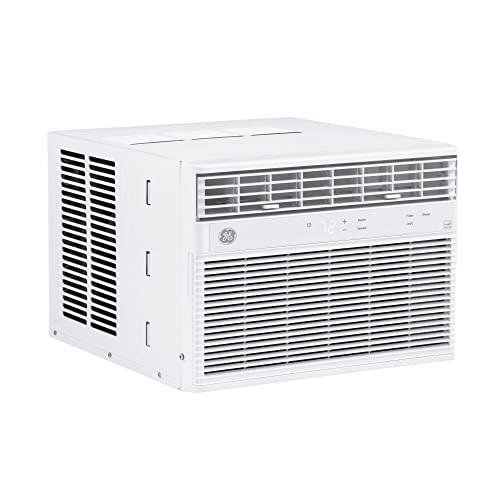
Casement Window Air Conditioner 14000 BTU: The Complete Buyer's Guide
Narrow windows and vertical openings no longer limit your cooling options. Learn how a 14000 BTU casement window air conditioner works, which rooms it suits, what to check before installation, and which product tiers deserve your attention.
Start With SizingIf you have casement or sliding windows, a standard horizontal window air conditioner simply will not fit. That is the exact problem a casement window air conditioner solves: a tall, slim cabinet engineered for vertical window tracks. At 14000 BTU, this class of unit sits in the upper mid-capacity range, making it a practical choice for larger bedrooms, open-plan living areas, and small apartments that need serious cooling without ductwork.
This guide is written for buyers who already know they need a casement unit and roughly understand the 14000 BTU capacity. What you likely still need is clarity on sizing accuracy, electrical requirements, installation realities, efficiency ratings, and feature trade-offs. Below, each of those topics is covered in detail, followed by a tier-based comparison of product categories and a curated selection of models available through our partner marketplace.
Quick orientation: A 14000 BTU casement window AC is typically the right fit for rooms of roughly 450 to 700 square feet. Units in this class are heavier than smaller window models and usually install with a support bracket. Efficiency, noise level, and smart features are where mid-range and premium tiers diverge most noticeably.
What Exactly Is a Casement Window Air Conditioner?
A casement window air conditioner is a vertical-format cooling unit built for windows that crank outward or slide sideways. Unlike a conventional window AC that sits horizontally in a double-hung sash, a casement unit stands upright in the narrow opening beside the glass. The cabinet is taller than it is wide, and the mounting hardware is designed to secure the unit to the window frame rather than resting it on the sill alone.
This form factor matters because it unlocks cooling for a large share of homes that were previously excluded from window AC ownership. Many apartments, townhouses, and modern homes feature casement or sliding windows as the primary window type. A 14000 BTU casement unit delivers the same cooling capacity as a horizontal 14000 BTU unit, just in a different physical package.
Casement Format
Tall, narrow cabinet designed for vertical openings. Requires a mounting bracket and careful sealing. Best for crank-out and sliding windows.
Horizontal Window AC
Wide, low-profile cabinet for double-hung windows. Rests on the sill with a sash lock kit. Not compatible with most casement openings.
Through-the-Wall AC
Permanently installed in a wall sleeve. Ideal when window space is unavailable. A different installation path explored in our through-the-wall AC guide.
Sizing a 14000 BTU Casement Unit: Which Rooms Fit?
Capacity should always follow room conditions, not the other way around. The 14000 BTU figure places casement units in a versatile zone: more powerful than the common 8000 to 10000 BTU models, yet still manageable on a dedicated household circuit. The table below offers a practical sizing reference.
| Room Size | Typical BTU Range | Casement 14000 BTU Fit | Notes |
|---|---|---|---|
| Up to 250 sq ft | 6000 – 8000 BTU | Oversized | Consider a smaller capacity unit for efficiency |
| 250 – 400 sq ft | 8000 – 12000 BTU | Slightly oversized | Workable only with heavy sun load or high ceilings |
| 450 – 550 sq ft | 12000 – 14000 BTU | Excellent fit | Ideal for large bedrooms and open living areas |
| 550 – 700 sq ft | 14000 – 18000 BTU | Good fit | Best with average insulation and moderate sun |
| Above 700 sq ft | 18000 BTU and up | Undersized | Step up to a larger capacity or multiple units |
Several adjustment factors shift the ideal capacity upward or downward. Add roughly 10 percent for a kitchen or other heat-generating space, add 10 percent for rooms with full-day sun exposure, and subtract about 10 percent for shaded rooms with excellent insulation. Ceiling height above eight feet also warrants a modest capacity increase. If you want a deeper walkthrough of the calculation method, our guide on how to size an air conditioner covers the full formula.
Oversizing caution: A 14000 BTU unit in a small, shaded 200 sq ft room will cool quickly but cycle on and off frequently. Short cycling reduces humidity removal and accelerates compressor wear. Match capacity to the room, not to a desire for faster cooling.
Efficiency Ratings: What 14000 BTU Buyers Should Check
Efficiency is the single most consequential long-term factor in window AC ownership. Two ratings dominate the conversation: CEER (Combined Energy Efficiency Ratio) for window units and SEER2 for central and ducted systems. For casement window units, look for CEER values in the manufacturer specification sheet. Higher CEER means more cooling delivered per unit of electricity consumed.
Entry-level casement units often sit near the minimum efficiency threshold, while premium and top-tier units push well beyond it. The gap may look modest on paper, but over many cooling seasons it compounds into meaningfully different energy consumption. Our explainer on energy efficiency ratings breaks down how SEER, EER, and HSPF relate, and our window AC efficiency rating guide focuses specifically on window units.
| Tier | Typical Efficiency Profile | Best For |
|---|---|---|
| Entry-Level | Meets baseline efficiency requirements | Occasional cooling in mild climates |
| Mid-Range | Above-baseline efficiency with inverter options | Daily seasonal use in most climates |
| Premium | High efficiency, often inverter-driven | Extended cooling seasons and warm climates |
| Top-Tier | Highest efficiency in the category | Heavy use, efficiency-first buyers, long-term ownership |
Inverter compressor technology deserves special mention. An inverter casement unit modulates compressor speed continuously rather than switching fully on and off. The result is steadier temperature, lower humidity swings, quieter operation, and generally better efficiency in real-world use. If your casement AC will run for most of the summer, inverter models are a worthwhile investment. You can read more about related technology in our 14000 BTU inverter window AC overview.
Electrical Requirements and Circuit Planning
A 14000 BTU casement window air conditioner typically draws around 12 to 13 amps on a 115V circuit, which means it needs a dedicated 15-amp circuit to operate reliably. Sharing that circuit with other high-draw appliances invites breaker trips and, in the worst case, overheating. Before purchase, confirm two things: the voltage specification on the model you are considering, and whether the outlet you intend to use is on its own circuit.
- Voltage: Most 14000 BTU casement units are 115V models; confirm before ordering.
- Amperage: Expect a rated current near 12 to 13 amps; use a dedicated 15-amp circuit.
- Plug type: Many units ship with a 5-15P plug; verify compatibility with your outlet.
- Extension cords: Avoid them entirely for a unit of this capacity.
- GFCI: Required in many jurisdictions for outlets near water sources or outdoors.
If your home has older wiring or you are unsure about circuit capacity, have a licensed electrician inspect the panel first. Our article on whether you need an electrician for AC installation walks through the decision points, and the amps and breaker size guide provides the technical reference.
Installation: What Makes Casement Units Different
Casement AC installation is not a drop-in process. The unit must be supported by a bracket anchored to the window frame or exterior wall, sealed against air and water intrusion, and positioned so the condensate drains correctly. Because 14000 BTU casement units are tall and heavy, two people are usually needed for safe lifting, and professional installation is strongly recommended for this capacity class.
Installation checklist
- Measure the window opening height and width precisely, then compare against the unit's minimum and maximum window dimensions.
- Confirm the window type: crank-out casement, awning, or horizontal slider each require slightly different sealing approaches.
- Install the exterior support bracket before lifting the unit into place.
- Use the manufacturer's sealing kit to close gaps around the unit; foam alone is not a weather-tight solution.
- Ensure a slight downward tilt toward the exterior so condensate drains away from the room.
- Check that the unit is level side to side to prevent compressor noise and vibration.
- Seal the window sash or panel above the unit with the provided insulation panels.
Professional installation note: For a 14000 BTU casement unit, the combination of weight, height, and bracket anchoring makes DIY installation risky. A licensed HVAC technician or handyman with window AC experience will typically complete the job in a few hours and ensure the seal is weather-tight.
If you prefer to hire help, our guide on companies that install window air conditioners explains how to vet installers and what questions to ask before booking. For renters or buyers exploring alternatives, the 14000 BTU dual-hose portable AC is a viable path when window installation is not permitted.
Features That Matter at 14000 BTU
At this capacity level, feature differences between tiers become meaningful in daily use. Below are the features most worth evaluating, with notes on where they typically appear.
| Feature | Why It Matters | Typical Tier Availability |
|---|---|---|
| Inverter compressor | Steadier temperature, quieter operation, better real-world efficiency | Mid-range and above |
| Remote control and thermostat | Convenient adjustment without reaching the unit | Entry-level and above |
| Wi-Fi and smart control | Scheduling, voice assistant integration, remote monitoring | Premium and top-tier |
| Air purification stage | Additional filtration for allergy-sensitive households | Premium and above |
| Sleep mode and programmable timer | Energy-conscious overnight operation | Mid-range and above |
| Self-evaporation condensate system | Less manual draining and fewer drip issues | Mid-range and above |
| Quiet operation design | Essential for bedrooms and home offices | Varies by tier; check decibel ratings |
Smart control is increasingly common in premium casement units. Our overview of AC with Wi-Fi and smart control explains how scheduling and remote monitoring affect daily comfort and energy use. For buyers prioritizing quiet operation, the quiet air conditioner guide provides decibel benchmarks by product class.
Product Tiers: How 14000 BTU Casement Units Compare
Rather than anchoring on specific brands, it helps to understand how casement window AC models cluster into tiers. The comparison below uses a consistent four-tier classification and describes the relative strengths of each tier in the 14000 BTU casement segment.
| Tier | Build and Features | Efficiency Profile | Best For |
|---|---|---|---|
| Entry-Level | Basic controls, solid build, standard filtration | Baseline | Occasional use, mild climates, secondary rooms |
| Mid-Range | Inverter options, remote thermostat, sleep mode | Above baseline | Daily seasonal use in most US climates |
| Premium | Wi-Fi, advanced filtration, quieter operation | High | Extended cooling seasons, primary living spaces |
| Top-Tier | Flagship inverter systems, premium materials, full smart integration | Highest in category | Heavy use, efficiency-first buyers, long-term ownership |
A useful rule of thumb: mid-range casement units usually offer the most balanced combination of efficiency, feature set, and build quality for typical residential use. Entry-level units make sense when cooling demand is modest, while premium and top-tier models justify their position when the unit will run heavily for many seasons. The upgrade from mid-range to premium typically brings quieter operation and smarter controls more than raw cooling power.
Maintenance That Extends the Life of a Casement Unit
Casement units are exposed to weather on one side and living space on the other, so routine maintenance matters more than for ducted systems. A consistent schedule keeps efficiency high and prevents the most common failure points.
- Filter cleaning: Every two to four weeks during heavy use. A clogged filter reduces airflow and forces the compressor to work harder.
- Coil cleaning: At the start and end of each cooling season. Outdoor coil cleaning is covered in our condenser coil cleaning guide.
- Drainage check: Confirm the condensate path is clear, especially before the first hot week of the season.
- Seal inspection: Check the window sealing kit for cracks or gaps, particularly after storms.
- Bracket inspection: Verify the support bracket fasteners are tight and free of rust.
- Seasonal removal: In cold climates, removing the unit for winter prevents weather damage and draft issues.
If the unit stops cooling effectively despite maintenance, the issue may be refrigerant-related or compressor-related. Our troubleshooting resources on AC not cooling and the compressor replacement cost overview help diagnose whether service is warranted. For a broader seasonal routine, the seasonal AC checklist is a practical companion.
Alternatives Worth Considering Alongside a Casement Unit
A casement window AC is the right answer for many homes, but not every home. If your window situation allows for other options, or if you are weighing a casement unit against a different cooling strategy, the comparisons below may help.
Horizontal Window Unit
If you have at least one double-hung window, a conventional 14000 BTU window air conditioner may offer more model choices and simpler installation.
Portable AC
When window mounting is not permitted, a dual-hose portable unit provides flexibility at the cost of floor space and slightly lower efficiency.
Mini-Split
For permanent installations and multiple rooms, a mini-split heat pump delivers superior efficiency and quiet operation, though at a higher installation complexity.
For buyers comparing across capacities, the 12000–14000 BTU AC overview places the casement format in context with other unit types, while the sizing guide helps confirm whether 14000 BTU is the correct capacity for your room before committing to the casement form factor.
Frequently Asked Questions
A 14000 BTU casement unit is generally suited for rooms between roughly 450 and 700 square feet. Rooms with heavy sun exposure, high ceilings, or poor insulation should stay toward the lower end of that range. Rooms with excellent insulation and shade can handle the upper end.
The core difference is orientation and mounting. A casement unit is tall and narrow for vertical window openings, while a standard window unit is wide and low for horizontal double-hung windows. Cooling capacity is comparable at the same BTU rating; the difference is physical fit and installation hardware.
Most 14000 BTU casement units operate on 115V and draw around 12 to 13 amps. They require a dedicated 15-amp circuit for safe, reliable operation. Verify the voltage and plug type of the specific model before ordering, and avoid extension cords.
For 14000 BTU casement units, professional installation is strongly recommended. The combination of weight, height, bracket anchoring, and weather sealing makes DIY installation risky. A technician ensures the unit is level, properly supported, and sealed against air and water intrusion.
Yes. An inverter compressor modulates speed continuously instead of cycling fully on and off. The practical benefits are steadier room temperature, better humidity control, quieter operation, and generally better real-world efficiency. If the unit will run heavily, an inverter model is a solid long-term investment.
Measure the window opening height and width, then compare against the unit's published minimum and maximum window dimensions. Casement units are designed for crank-out and sliding windows. If your window opening is too narrow or too short, a through-the-wall or portable solution may be a better fit.
Ready to Compare Casement Units?
The curated selection below draws from the 14000 BTU casement segment and is updated through our partner marketplace. Use the tier descriptions above to decide which product category matches your room, climate, and usage pattern.
Explore Recommended Models