Central Air Conditioner with Heat Pump: Complete Buying Guide
A central air conditioner with a heat pump is one of the most versatile HVAC choices for modern homes. Instead of relying on a separate furnace for winter warmth, a heat pump system moves heat in both directions — removing it indoors during summer and drawing it from outdoor air during colder months. For homeowners researching a whole-home solution that handles cooling and heating from a single integrated system, understanding how these units differ from conventional setups is the first step toward a confident decision.
What Is a Central Air Conditioner with Heat Pump?
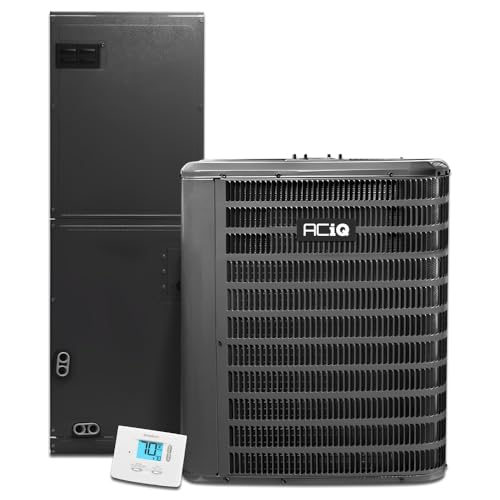
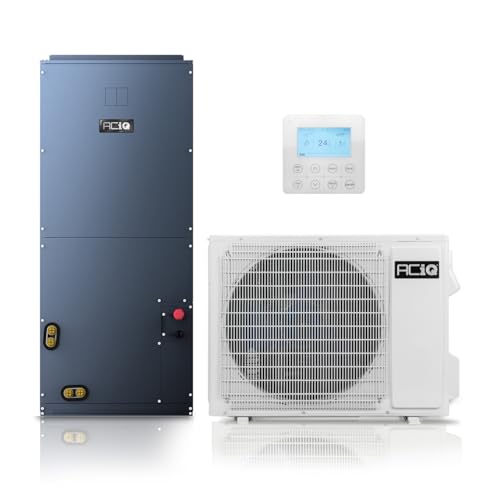
A central heat pump system combines cooling and heating in one outdoor unit paired with an indoor air handler and ductwork. In cooling mode, it works like a standard central air conditioning system: refrigerant absorbs heat from indoor air and releases it outside. In heating mode, the refrigerant cycle reverses, extracting ambient heat from outdoor air — even in cold conditions — and distributing it through the same ducts.
Unlike a traditional central air conditioner with furnace setup, which relies on combustion or electric resistance for heating, a heat pump moves heat rather than generating it. That distinction is the core reason heat pump systems can deliver strong efficiency across both seasons when properly matched to the home and climate.
How a Heat Pump Central System Works
The system relies on four main components: the outdoor heat pump unit (compressor and coil), the indoor air handler (blower and coil), the refrigerant line set, and the duct network. A reversing valve switches the refrigerant flow direction between heating and cooling. A defrost cycle protects the outdoor coil in freezing weather, and modern variable-speed compressors modulate output to match demand instead of cycling on and off abruptly.
For a deeper mechanical explanation, see our guide on central air conditioning split systems, which shares the same fundamental architecture. Understanding the refrigerant cycle helps when comparing quotes, because installers may propose different indoor/outdoor pairings.
Cooling and Heating Performance Across Climates
Heat pump performance varies by climate. In mild and moderate regions, a standard central heat pump can handle nearly all heating demand. In colder zones, a cold-climate heat pump — often rated for operation well below freezing — may still need a supplemental heat source during extreme cold snaps. Some homeowners choose a dual-fuel configuration, pairing a heat pump with a gas furnace as backup. If that interests you, our overview of central air conditioning units with heat pump configurations explains how the changeover works.
Cooling performance is comparable to a conventional central AC of the same capacity. The difference appears in humidity control and part-load efficiency, where variable-speed systems generally outperform single-stage units.
Sizing a Central Heat Pump System
Correct sizing is the single most important technical decision. An oversized unit short-cycles, struggles with humidity, and wears faster; an undersized unit runs continuously and fails to reach set temperatures during peak demand. Professional sizing uses a load calculation that accounts for square footage, ceiling height, insulation, window area, orientation, occupancy, and local climate data.
As a starting reference, these guides break down typical capacity ranges by home size:
- Central AC unit for a 1,000 sq ft house
- Central AC unit for a 1,500 sq ft home
- Central AC unit for an 1,800 sq ft house
- Central AC unit for a 2,500 sq ft home
For a full whole-home methodology, read our how to size an air conditioner guide and the Manual J load calculation explainer.
Efficiency Ratings That Matter
Heat pump systems carry two primary efficiency metrics. SEER2 measures cooling efficiency, and HSPF2 measures heating efficiency. Higher numbers indicate greater efficiency, but the real-world benefit depends on your climate and how much the system runs in each mode. A system with excellent cooling efficiency but modest heating efficiency may still be the right choice in a hot climate with mild winters.
Learn the details in our guides on SEER ratings, SEER2 DOE standards, and HSPF ratings. Also check whether the unit qualifies for ENERGY STAR certification and any available HVAC tax credits and rebates, which can materially change the long-term value calculation.
System Tiers: Entry-Level to Premium
Central heat pump systems are commonly grouped into tiers based on compressor technology, features, and build quality. The table below uses universal tier descriptors rather than figures, so it stays relevant regardless of market conditions.
| Tier | Typical Compressor | Best For | Notable Characteristics |
|---|---|---|---|
| Entry-level | Single-stage | Mild climates, straightforward layouts | Reliable and simple; basic humidity control |
| Mid-range | Two-stage | Most homes in mixed climates | Better part-load efficiency and comfort balance |
| Premium | Variable-speed inverter | Homes prioritizing quiet operation and precise comfort | Smooth modulation, quieter outdoor unit, advanced controls |
| High-end tier | Variable-speed with cold-climate package | Colder regions and high-performance builds | Strong low-temperature heating, smart zoning compatibility |
| Flagship tier | Fully modulating, communicating system | Large homes and premium comfort expectations | Integrated diagnostics, top-tier efficiency in class |
When comparing systems, focus on how each tier matches your climate and comfort expectations rather than chasing the highest number on a spec sheet. A mid-range unit with excellent installation often outperforms a premium unit installed poorly.
Key Features to Compare
Variable-Speed Compressor
Modulates output in small increments for stable temperatures, lower humidity swings, and quieter operation. Especially valuable in homes with zoning or large glass areas.
Cold-Climate Rating
Look for a stated operating range and rated heating capacity at low outdoor temperatures. Important if winters regularly drop below freezing.
Smart Thermostat Compatibility
Communicating thermostats can optimize defrost cycles and stage transitions. Verify compatibility with the specific indoor and outdoor pairing.
Dual-Fuel Capability
Allows pairing with a furnace as backup. Useful in colder climates or where existing ductwork and gas infrastructure are already in place.
Sound Ratings
Outdoor unit decibel ratings matter for side-yard installations and close neighbors. Premium tiers typically run quieter at low speeds.
Zoning Readiness
If you plan to add zone dampers, confirm the air handler and thermostat ecosystem support multi-zone control without added complexity.
Installation Considerations
A central heat pump system is only as good as its installation. Duct design, refrigerant charge, line-set length, and airflow balancing all influence performance. Homes without existing ducts may need a ducted retrofit or a ductless alternative — see central air conditioning installation in older homes for context.
Before signing a contract, review common AC installation mistakes, verify the contractor's license and insurance, and ask for a manual load calculation rather than a rule-of-thumb estimate. Our how to choose an HVAC contractor guide walks through the vetting process.
Maintenance and Long-Term Reliability
Regular maintenance extends system life and preserves efficiency. At minimum, change or clean filters on schedule, keep the outdoor coil clear of debris, and schedule a professional inspection before each heating and cooling season. Our central AC maintenance guide covers the full checklist.
If performance drops, troubleshooting resources can help narrow the cause: central AC not blowing cold air, not cooling enough, or leaking water inside the house. Knowing when to call a technician versus when to check a filter saves time and prevents unnecessary service visits.
When a Heat Pump Central System Is the Right Choice
A heat pump central system is a strong fit when you want one integrated system for year-round comfort, your climate is moderate to cold with a well-insulated home, and you value efficiency across both seasons. It is less ideal if your home lacks ductwork and retrofitting is impractical, or if your utility setup strongly favors a separate furnace configuration. For a broader comparison of system categories, see central air conditioning and central air and central heat.
Ready to Compare Central Heat Pump Systems?
Browse curated options matched to your home size and climate, then verify specifications with a licensed installer before committing.
Explore System OptionsFrequently Asked Questions
Can a central heat pump cool as effectively as a traditional central AC?
Do I need a backup furnace with a heat pump?
How long does a central heat pump system last?
What size heat pump do I need for my home?
Are heat pump systems eligible for tax credits or rebates?
Can I add a heat pump to my existing ductwork?
Final Checklist Before You Decide
- Confirm a professional load calculation has been performed for your home.
- Match system tier to your climate, comfort expectations, and zoning plans.
- Verify SEER2 and HSPF2 ratings and check ENERGY STAR qualification.
- Ask about cold-climate performance if winters are severe.
- Confirm smart thermostat and zoning compatibility.
- Review the installation scope, warranty terms, and maintenance schedule.
- Check available tax credits and rebates before finalizing.
With these fundamentals in hand, you can evaluate installer proposals with confidence and choose a central heat pump system that delivers reliable comfort for years to come.