Central Heating and Air Conditioning Units: A Complete Buyer's Guide
Understand how whole-home heating and cooling systems work, compare system tiers, learn sizing and efficiency fundamentals, and discover how to choose the right central unit for your home before you buy.
Explore the GuideWhy this guide matters: A central heating and air conditioning system is one of the largest long-term investments a homeowner makes in comfort. Understanding the components, tiers, sizing, and efficiency ratings helps you make an informed decision and avoid costly mistakes down the road.
What Is a Central Heating and Air Conditioning Unit?
A central heating and air conditioning unit is a single, integrated comfort system that conditions air in one location and distributes it throughout the home via ductwork. Unlike room-by-room solutions, a central system treats the entire house as one conditioned zone, delivering consistent temperature and air quality from a unified set of equipment.
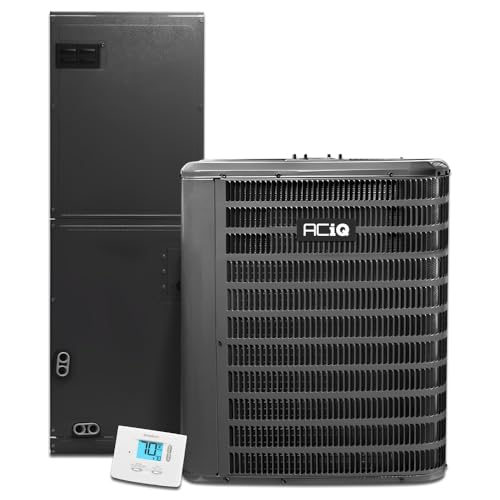
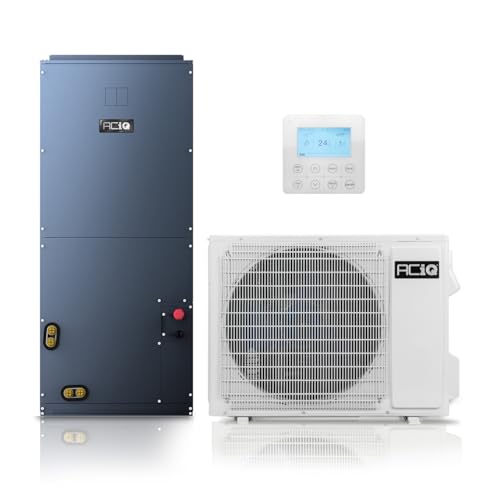
These systems are commonly referred to as central heating and air, whole-home HVAC systems, or split systems. A typical configuration pairs an outdoor condenser with an indoor air handler or furnace, connected by refrigerant lines and a network of ducts. Many modern homes also combine functions using a central heat pump, which provides both heating and cooling from the same equipment.
Understanding the individual components is the first step toward selecting the right configuration. Whether you are outfitting a new build or replacing an aging system, the fundamentals below apply to nearly every central installation.
Core Components of a Central System
A central heating and cooling system is more than a single box. It is an assembly of parts that must work together efficiently. Here are the primary components you should understand before shopping:
- Outdoor Condenser Unit Releases heat collected from indoors and houses the compressor, which circulates refrigerant.
- Indoor Air Handler or Furnace Moves conditioned air into the ductwork and, in heating mode, warms the air.
- Ductwork and Registers Distributes conditioned air to each room and returns it to the system.
- Thermostat / Controls The interface that manages temperature, scheduling, and system modes.
- Refrigerant Lines Connect the indoor and outdoor units and carry refrigerant between them.
- Condensate Drain Removes moisture collected during the cooling process.
When any of these components underperforms, the whole system suffers. For example, a central air thermostat not working can prevent the system from engaging, while a clogged condensate drain line can cause water damage. Knowing the parts helps you communicate with technicians and make better upgrade decisions.
Central Heating and Cooling System Tiers
Central systems are generally grouped into three market positions, each representing a different balance of features, efficiency, and build quality. Use these tiers as a framework for your research rather than as a fixed ranking.
Essential Tier
- Single-stage compressor
- Standard efficiency ratings
- Basic thermostat controls
- Straightforward installation
- Solid choice for mild climates
Balanced Tier
- Two-stage or variable-speed operation
- Improved efficiency ratings
- Programmable or smart thermostat
- Quieter operation
- Well-specified for most homes
Top-Tier
- Fully variable-speed inverter compressor
- Highest efficiency ratings
- Advanced zoning and humidity control
- Premium materials and quiet design
- Long-term investment for comfort
In general, mid-range models offer smoother temperature regulation than entry-level units, while top-tier systems add the most refined humidity control and the quietest operation. The right tier depends on your climate, home size, and how long you plan to stay in the home. For a broader look at combination configurations, see our guide to combination heating and air conditioning units.
Sizing a Central Unit for Your Home
Correct sizing is critical. An oversized system short-cycles, struggles to remove humidity, and wears out prematurely. An undersized system runs continuously without reaching the set temperature. Sizing is typically expressed in tons of cooling capacity (one ton equals 12,000 BTU per hour) and should be based on a professional load calculation rather than a simple square-footage rule of thumb.
As a starting reference, many homes in the 1,000 to 2,000 square foot range fall into the 2 to 3.5 ton category, but insulation, window area, ceiling height, and local climate all affect the final number. If you are planning for a specific home size, these focused guides can help:
- 1,000 sq ft See central air for a 1,000 sq ft house for capacity guidance.
- 1,500 sq ft Review central air for a 1,500 sq ft home.
- 2,000 sq ft Compare central air for a 2,000 sq ft house.
- Mobile homes Check central heat and air for mobile homes.
Efficiency Ratings Explained
Efficiency determines how much comfort you get from each unit of energy consumed. For cooling, the key metric is SEER (Seasonal Energy Efficiency Ratio), with the updated SEER2 standard now in effect. For heating, HSPF (Heating Seasonal Performance Factor) applies to heat pumps. Higher ratings generally mean lower long-term energy use, but the right target depends on your climate and how much you run the system.
Entry-level systems typically meet minimum efficiency standards, mid-range systems improve on them, and top-tier systems push toward the highest ratings available. If you want to dig deeper into the standards, review our explanations of SEER ratings and ENERGY STAR certification.
System Tier Comparison at a Glance
| Tier | Best For | Key Strengths | Typical Trade-Offs |
|---|---|---|---|
| Essential Tier | Mild climates, straightforward homes, shorter ownership horizons | Simple design, fewer repair points, solid reliability | More temperature swing, louder operation, lower efficiency |
| Balanced Tier | Most single-family homes, mixed climates, long-term owners | Steadier temperatures, better humidity control, quieter | Higher upfront investment than entry-level |
| Top-Tier | Large homes, extreme climates, comfort-focused households | Best efficiency, near-constant temperature, quietest operation | Highest initial investment, more complex service needs |
Installation Considerations
Installation quality has as much impact on performance as the equipment itself. A poorly installed premium system can underperform a well-installed mid-range system. Before installation, confirm that your home's electrical panel can support the new equipment, that ductwork is properly sealed, and that the outdoor unit has adequate clearance.
It is also wise to work with a qualified contractor and to understand the process from quote to commissioning. Our guides on choosing an HVAC contractor and common installation mistakes walk through the essentials. If you are also weighing a full system replacement, the central air installation overview covers the scope of work involved.
Homeowners often ask whether to repair or replace an aging system. As a general rule, equipment that is more than a decade old, requires frequent refrigerant top-ups, or has suffered a compressor failure is a stronger candidate for replacement than repeated repair.
Maintenance for Long-Term Performance
A central heating and cooling system rewards consistent maintenance. The most impactful task is regular filter replacement, followed by coil cleaning and seasonal checkups. Neglecting these leads to reduced airflow, higher energy use, and premature component failure.
Key maintenance habits include cleaning or replacing filters every one to three months, keeping the outdoor condenser free of debris, and having a professional inspect the system annually. If you notice water around the indoor unit, address it promptly; a central air unit leaking water in the basement is often a simple drain issue but can become a larger problem if ignored. For a structured routine, see our AC maintenance guide.
Troubleshooting also becomes easier when you know what to look for. If your system runs but does not cool, compare the symptoms against our guide on a central air unit running but not cooling. If it is not blowing cold air at all, the central air unit not blowing cold air article outlines common causes, and a unit that stopped blowing cold air suddenly may have a different root cause.
Frequently Asked Questions
How long does a central heating and air conditioning system last?
Most central systems have a service life of roughly 12 to 20 years, depending on usage, climate, and maintenance. Top-tier equipment with regular professional service tends to reach the upper end of that range.
Can a central system heat and cool at the same time?
No. A central system operates in either heating or cooling mode at any given moment. However, a heat pump configuration provides both functions from the same equipment, switching between modes as needed.
Is a heat pump better than a separate furnace and air conditioner?
It depends on climate and goals. Heat pumps are highly efficient in moderate climates and offer dual functionality. In very cold climates, a furnace may provide more consistent heating capacity. Many homes use a hybrid setup that pairs both.
How often should ducts be cleaned?
Duct cleaning is generally recommended every few years, or sooner if you notice visible debris, pest activity, or consistent dust issues. Sealing leaks is often more impactful than cleaning alone. See our guide on clean air duct cleaning for details.
What is the difference between a central unit and a mini-split?
A central unit distributes air through ductwork and conditions the whole home from one system. A mini-split uses individual wall-mounted indoor units without ducts. Central systems suit whole-home conditioning, while mini-splits excel in homes without ductwork or in targeted zones.
Ready to Compare Central Systems?
Explore our curated selection of central heating and air conditioning units below, filtered to help you evaluate options across tiers and features.
View Recommended Systems