Central Heating and Air: The Complete Guide for Your Home
Everything you need to know about central heating and air conditioning systems — how they work, how to size them correctly, what efficiency ratings mean, and how to keep your home comfortable year-round.
Start ReadingKey Takeaways
- A central heating and air system uses one ducted network to both heat and cool your entire home.
- Correct sizing is the single most important factor for comfort and efficiency.
- Higher SEER2 and HSPF2 ratings mean better efficiency in the long run.
- Regular filter changes and annual professional service extend system lifespan.
- Heat pumps are an efficient alternative for both heating and cooling in moderate climates.
In This Guide
- What Is a Central Heating and Air System?
- How Central Heating and Cooling Works
- Types of Central Heating and Air Systems
- Sizing Your System Correctly
- Efficiency Ratings Explained
- Installation Considerations
- Maintenance That Protects Your Investment
- Common Problems and Solutions
- Frequently Asked Questions
What Is a Central Heating and Air System?
A central heating and air system is a whole-home climate control solution that distributes conditioned air through a network of ducts. Unlike room-by-room units, a central system conditions air at a single location and then delivers it to every connected room through supply and return ducts. This creates consistent temperatures throughout the house and keeps indoor air quality more uniform.
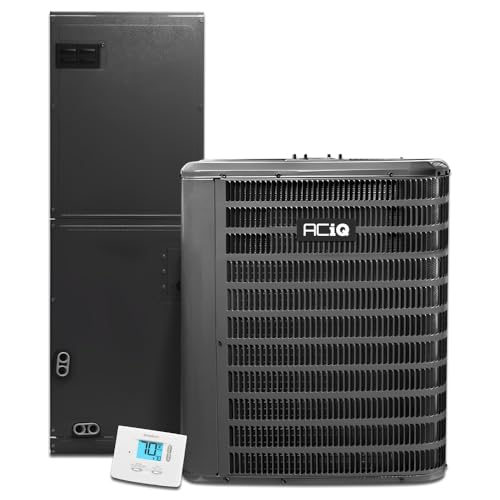
Most central systems combine a heating source — such as a furnace or heat pump — with a cooling coil and air handler. The same ductwork serves both functions, which is why the term "central heating and air" is often used interchangeably with "central heating and cooling" or "central HVAC system."
If you are exploring the broader category of whole-home comfort equipment, our central air units guide provides additional context on the cooling side of the system. For readers comparing combined systems, the central heating and cooling overview explains how the two functions integrate.
How Central Heating and Cooling Works
A central system relies on a few core components working together:
- Thermostat: The control point that signals the system to heat or cool. A modern central air thermostat can be programmable or smart-enabled for precise scheduling.
- Air handler or furnace: Moves air through the ductwork and, in heating mode, warms it.
- Condenser unit: Located outdoors, it releases or absorbs heat depending on the mode.
- Evaporator coil: Cools and dehumidifies air during the cooling cycle.
- Ductwork: Distributes conditioned air and returns stale air to the system.
In cooling mode, refrigerant absorbs heat from indoor air at the evaporator coil, and the condenser releases that heat outdoors. In heating mode, a furnace burns fuel or a heat pump reverses the refrigerant cycle to warm the home. For a deeper look at the cooling cycle, see our explanation of why a central air unit may not blow cold air.
Understanding the airflow path helps diagnose problems. If you notice a central air system that turns on but does not cool, the issue often lies in airflow, refrigerant charge, or a blocked coil.
Types of Central Heating and Air Systems
There are several configurations, each suited to different homes and climates:
1. Furnace + Split Air Conditioner
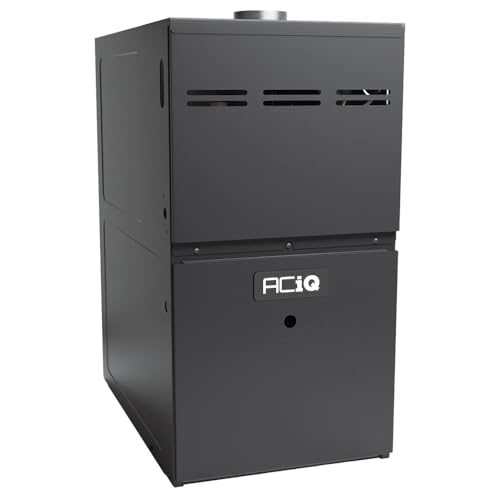
The most common setup in many regions. A gas or electric furnace handles heating, while a separate outdoor condenser and indoor coil provide cooling. This is a reliable, well-understood configuration with widely available parts and service.
2. Heat Pump System
A heat pump provides both heating and cooling by reversing the refrigerant cycle. In moderate climates, heat pumps are highly efficient. Our central heat pump guide explains how they perform in different seasons. For homes that need a combined solution, a central air with furnace setup may be preferable in colder regions.
3. Packaged Unit
All components — heating, cooling, and air handler — are housed in a single outdoor cabinet. Packaged systems are common in homes without basements or where indoor space is limited.
4. Ductless Mini-Split (for comparison)
While not technically "central" in the ducted sense, ductless systems offer zone control and are worth considering for additions or homes without ductwork. They are covered separately in our centralised HVAC system overview.
Comparison at a Glance
| System Type | Best For | Heating Source | Cooling Source |
|---|---|---|---|
| Furnace + Split AC | Cold climates, existing ductwork | Gas or electric furnace | Outdoor condenser + indoor coil |
| Heat Pump | Moderate climates, efficiency-focused homes | Reversed refrigerant cycle | Refrigerant cycle |
| Packaged Unit | Homes without indoor mechanical space | Integrated furnace or electric heat | Integrated condenser and coil |
Sizing Your System Correctly
An oversized system short-cycles, which reduces dehumidification and wears out components faster. An undersized system runs continuously and struggles to maintain setpoint temperatures. Proper sizing uses a load calculation that considers square footage, ceiling height, insulation, window area, orientation, and local climate.
As a starting reference, here are common sizing guides for typical homes:
- Central heat and air for 1,000 square feet
- Central heat and air units for a 1,500 square foot home
- Central air unit sizing for a 1,500 sq ft home
- Central air unit for a 2,000 sq ft house
For a more general overview of capacity selection, our guide to central air units for a 1,000 sq ft house walks through the variables that affect the final tonnage recommendation. Mobile home owners should review central heat and air units for mobile homes for specific considerations related to duct design and insulation.
Always request a room-by-room load calculation from a qualified contractor before finalizing equipment selection. This step prevents the most common comfort complaints after installation.
Efficiency Ratings Explained
Efficiency ratings help you compare systems on energy performance. The key metrics for central heating and air are:
- SEER2: Seasonal Energy Efficiency Ratio for cooling. Higher is better. Modern standards require minimum ratings that vary by region.
- HSPF2: Heating Seasonal Performance Factor for heat pumps. Higher numbers indicate more efficient heating.
- AFUE: Annual Fuel Utilization Efficiency for furnaces. A 90% AFUE furnace converts 90% of fuel into usable heat.
Higher-efficiency equipment typically uses variable-speed compressors and electronically commutated blower motors. These features improve part-load performance, which matters because systems rarely run at full capacity. A malfunctioning thermostat can undermine efficiency gains, so controls should be verified during installation.
When comparing quotes, look beyond the headline rating. Duct sealing, insulation levels, and proper refrigerant charge all influence real-world efficiency. A high-efficiency system installed on leaky ducts will underperform its rating.
Installation Considerations
Installation quality determines how well a central system performs over its lifespan. Key steps include:
- Performing a load calculation and selecting matched components.
- Inspecting and sealing ductwork before connecting new equipment.
- Verifying electrical capacity — see our home electrical panel check guide for what contractors evaluate.
- Pulling required permits and scheduling inspections where applicable.
- Commissioning the system with refrigerant charge verification and airflow measurement.
Homeowners often ask about central air unit installation cost factors. The main variables are system size, efficiency tier, duct modifications, and whether electrical upgrades are needed. Our guide to common AC installation mistakes highlights pitfalls to discuss with your contractor before work begins.
For condominiums and multifamily buildings, combination heating and air conditioning units for condos explains space and code considerations. If you are replacing an existing system, our guide to replacing an HVAC system efficiently outlines practical planning steps.
Maintenance That Protects Your Investment
Consistent maintenance is the difference between a system that lasts 10 years and one that lasts 20. A practical maintenance routine includes:
- Changing or cleaning air filters every 1–3 months depending on occupancy and pets.
- Cleaning condenser coils annually to maintain heat transfer efficiency.
- Flushing the condensate drain line to prevent clogs and water damage.
- Checking refrigerant lines for insulation damage.
- Scheduling professional service before each heating and cooling season.
Detailed walkthroughs are available in our guides on cleaning air conditioner condenser coils, cleaning coils on a central air conditioner, and cleaning the air conditioner drain. If you notice a central air unit leaking water in the basement, a clogged drain line is a frequent cause.
Duct maintenance matters too. Clean air duct cleaning and cleaning HVAC ducts reduce dust circulation and can improve airflow. For whole-system cleanliness, see clean HVAC system guidance.
Common Problems and Solutions
Most central system issues fall into a few categories. Recognizing symptoms early can prevent larger repairs.
No Cooling
If the system runs but does not cool, check the thermostat settings, air filter, and outdoor unit. Common causes include low refrigerant, a failed capacitor, or a dirty evaporator coil. Our articles on a central air unit running but not cooling and a central air unit that stopped blowing cold air cover diagnostic steps.
Weak Airflow
Restricted airflow often traces to a clogged filter, blocked registers, or duct leaks. If you notice cold air coming from vents but not cooling the house, the system may be short-cycling or undersized for the load.
Fan Runs But No Cooling
When the indoor fan runs but the outdoor unit does not, suspect a tripped breaker, a failed contactor, or a thermostat wiring issue. See central air unit fan spinning but not cooling for a step-by-step checklist.
Thermostat Problems
An unresponsive or inaccurate thermostat can mimic larger failures. Our central unit thermostat guide and changing an air conditioner thermostat article explain replacement and compatibility. For wireless options, review central heating thermostat wireless solutions.
When problems persist after basic checks, engage a certified HVAC technician. Attempting refrigerant or electrical repairs without certification is unsafe and may void warranties.
Frequently Asked Questions
How long does a central heating and air system last?
With proper maintenance, most systems last 12–20 years. Furnaces often outlast outdoor condensers. Regular filter changes and annual service are the biggest factors in lifespan.
Is a heat pump better than a furnace and AC combination?
It depends on climate. Heat pumps are highly efficient in moderate climates and provide both heating and cooling from one unit. In very cold regions, a furnace may be necessary as a supplemental or primary heat source. Our combination heating and air conditioning units guide compares configurations.
How often should I service my central system?
Twice per year is ideal — once before cooling season and once before heating season. At minimum, schedule one annual professional tune-up and change filters regularly.
What size system do I need for my home?
Sizing depends on square footage, insulation, windows, and climate. Use our guides for 1,000 square feet and 1,500 square feet as starting references, then confirm with a professional load calculation.
Can I replace just the outdoor unit?
Replacing only one component of a split system is possible but not recommended unless the remaining components are compatible and in good condition. Mismatched equipment can reduce efficiency and void warranties.
Why is my system running constantly?
Continuous operation can indicate an undersized system, dirty filters, refrigerant loss, or extreme outdoor temperatures. Check filters first, then consult a technician if the behavior persists.
Ready to Compare Central Heating and Air Options?
Explore our curated selection of central heating and air systems and accessories below. Each listing includes key specifications to help you compare features within its tier.
View Recommended Systems