Cost of a New Air Conditioning System
Understand what drives the investment in a new AC system, compare equipment tiers, and plan your project with confidence. This guide covers central, ductless mini-split, and window systems.
Explore the BreakdownResearch first, decide later. The total investment in a new air conditioning system is shaped by more than the equipment itself. Cooling capacity, efficiency rating, ductwork condition, and installation complexity all play a role. This page helps you understand each variable so you can compare quotes from HVAC contractors on equal terms.
Why the Investment Varies So Much
No two homes are identical, and no two AC installations are either. A straightforward replacement of an existing central unit in a well-ducted home follows a very different path than adding ductless cooling to a house without ductwork. The main variables that move the investment up or down are:
- System type: Central air conditioning, ductless mini-split, window units, and portable units occupy very different positions in the market.
- Cooling capacity: Measured in BTU or tons, capacity must match your home's load. An undersized unit strains; an oversized unit cycles inefficiently.
- Efficiency rating: SEER2 ratings separate entry-level equipment from high-end tier units. Higher efficiency is efficient in the long run.
- Ductwork condition: Sealing, repairing, or installing ducts adds significant scope to any project.
- Installation complexity: Line-set length, electrical upgrades, permits, and accessibility all affect labor.
- Equipment tier: Starter-tier, mid-range, and premium systems differ in build quality, features, and warranty coverage.
Cost Factors by System Type
Each system category occupies a distinct segment of the market. Use the table below to understand the relative positioning of each type. Tiers reflect market position, not specific figures.
| System Type | Best For | Market Tier | Key Considerations |
|---|---|---|---|
| Window Air Conditioner | Single rooms, renters, temporary cooling | Entry-level / starter tier | Self-installation possible; limited to one room; seasonal storage. |
| Portable Air Conditioner | Rooms without window access, flexible placement | Entry-level to mid-tier | Requires venting through a window or wall; mobility is a plus. |
| Ductless Mini-Split | Homes without ducts, room-by-room zoning | Mid-range to premium | Professional installation required; high efficiency options; multiple indoor heads add scope. |
| Central Air Conditioning | Whole-home cooling with existing ductwork | Mid-range to top-tier | Requires ductwork; matched indoor and outdoor units; longest lifespan with proper maintenance. |
Equipment Tiers Explained
Across every system type, equipment is positioned in tiers. Understanding these tiers helps you interpret contractor recommendations and decide where to focus your investment.
- Entry-level / starter tier: Basic single-stage or fixed-speed equipment. Solid choice for the tier, with straightforward controls and standard warranties. Well-suited for mild climates or secondary spaces.
- Mid-range: Two-stage or variable-speed compressors, better humidity control, quieter operation, and improved SEER2 ratings. A balanced tier for most households.
- Premium / high-end tier: Top-tier efficiency, advanced filtration, smart thermostat compatibility, and longer warranty terms. Feature-rich for its class and a long-term investment for homeowners planning to stay.
- Luxury / flagship tier: The most advanced variable-speed systems with the highest efficiency ratings and premium materials. Competitive within its class for homeowners prioritizing comfort and quiet operation.
Installation Scope: What to Expect
Installation is rarely a single line item. A professional AC installation typically includes several components that together form the full project scope:
- Load calculation: A proper Manual J calculation ensures the system matches the home's heating and cooling load.
- Equipment and materials: Outdoor condenser, indoor air handler or coil, refrigerant line set, thermostat, and electrical components.
- Electrical work: Dedicated circuits and disconnect boxes. Older panels may need upgrades.
- Condensate management: Drain lines, pumps where gravity drainage is not possible.
- Ductwork: Sealing, repairing, or extending ducts. New duct runs can be a substantial portion of a central AC project.
- Permits and inspection: Required in most jurisdictions and typically included in contractor quotes.
- Testing and commissioning: Refrigerant charge verification, airflow measurement, and thermostat setup.
If you are exploring installation options, our guides on companies that install air conditioners and companies that install ductless air conditioners explain how to vet contractors and compare proposals. For homes without existing ductwork, cooling options for homes without ductwork covers the alternatives in detail.
How Efficiency Affects the Long-Term Investment
Efficiency is measured by SEER2 for cooling. A higher rating means the system converts more electricity into cooling. Entry-level units usually sit at the minimum standard, while top-tier systems reach much higher ratings. The difference shows up in monthly energy consumption over the system's lifespan.
When evaluating a quote, consider the full lifecycle rather than the initial outlay alone. A high-end tier unit may require a larger upfront investment but can be efficient in the long run, especially in climates with long cooling seasons. Conversely, a starter-tier unit can be a solid choice for a rental property or a space that is only cooled occasionally.
Related reading: 14 SEER air conditioner installed and central air unit explain how efficiency tiers are positioned in the market.
Sizing: The Variable Homeowners Underestimate
The right capacity is not a guess. It comes from a load calculation that accounts for square footage, ceiling height, window area, insulation, and local climate. Getting sizing right protects both comfort and equipment longevity.
Use these guides to match capacity to your home:
- AC unit for a 1,000 sq ft house
- AC unit for a 2,500 sq ft home
- AC unit for a 3,000 square foot house
- Central air for a 1,500 sq ft house
- Central air for a 2,000 sq ft house
- 2-ton air conditioning unit
- New 5-ton AC unit
Replacement vs. New Installation
A replacement project reuses existing ductwork, electrical infrastructure, and refrigerant lines where code allows. A new installation, such as adding central air to a home that has never had it, includes duct design, new circuits, and often structural work. These are fundamentally different scopes.
If you are replacing an existing system, replacing a central air conditioning unit walks through what carries over and what must be renewed. If you are adding cooling for the first time, adding central air to a house covers the additional scope involved.
System-Specific Guides
| System | Guide | Best For |
|---|---|---|
| Central AC | Central air conditioning system | Whole-home cooling with ducts |
| Ductless Mini-Split | Mini-split air conditioning system | Zoned comfort, no ducts |
| Ductless Mini-Split | Ductless mini-split air conditioning | Room-by-room control |
| Split System | Split AC | Single-zone residential cooling |
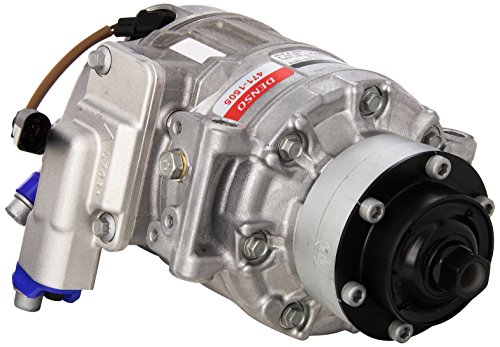
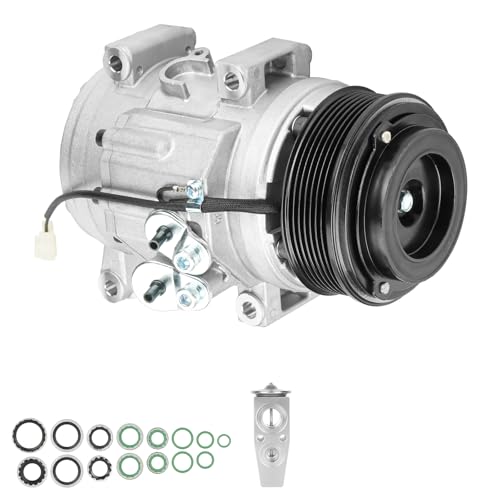
| Compressor | New compressor for an air conditioner | Repair vs. replace decisions |
| Compressor | Compressor replacement | Understanding compressor scope |
Ongoing Maintenance and Service
Installation is the beginning of the system's life, not the end of the investment. Routine maintenance preserves efficiency and extends equipment lifespan. Budget for an annual tune-up and filter changes as part of the total ownership picture.
- HVAC tune-up — routine seasonal service
- HVAC inspection — assessing system condition
- HVAC repair — addressing breakdowns
- Condenser coil cleaning — maintaining heat transfer efficiency
- Chemical cleaning for an air conditioner — deep cleaning service