
Energy Star Wall Air Conditioner: Complete Guide & Reviews
Everything you need to know about Energy Star certified wall-mounted air conditioners — efficiency standards, sizing, installation, and top-tier recommendations for your home.
Explore Top PicksWhy Choose an Energy Star Wall Air Conditioner? These units combine the space-saving convenience of through-the-wall installation with verified energy efficiency. If you're researching wall-mounted cooling options, this guide will help you understand efficiency ratings, proper sizing, and what to expect from different product tiers — so you can make a confident, well-informed decision.
What Is an Energy Star Wall Air Conditioner?
An Energy Star wall air conditioner is a through-the-wall cooling unit that has earned certification from the U.S. Environmental Protection Agency's Energy Star program. Unlike standard models, these units meet stringent efficiency guidelines — meaning they deliver the same cooling comfort while consuming less electricity.
Wall-mounted air conditioners are installed directly into an exterior wall, often using a wall sleeve. They free up window space, provide a cleaner aesthetic, and can be permanently installed for year-round use. When combined with Energy Star certification, these units offer a compelling balance of convenience, efficiency, and long-term performance.
Key Benefits of Energy Star Wall Units
- Verified efficiency: Energy Star models meet or exceed federal efficiency guidelines, helping reduce electricity consumption compared to conventional units.
- Space-saving design: No window obstruction — ideal for rooms where window space is limited or where a cleaner look is preferred.
- Permanent installation: Wall units can be securely mounted with a sleeve, providing a stable, semi-permanent cooling solution.
- Quieter operation: Many premium-tier wall units are engineered with advanced sound-dampening materials for quieter performance.
- Potential incentives: Energy Star certification may qualify you for utility rebates or tax credits depending on your region.
If you're comparing wall units to other form factors, you may also want to explore Energy Star through-the-wall air conditioners or consider Energy Star window units with Wi-Fi control for smart-home integration.
How Energy Star Certification Works for Wall ACs
Energy Star certification for room air conditioners is based on the unit's Combined Energy Efficiency Ratio (CEER). This metric combines the cooling efficiency (EER) and standby power consumption, giving a more complete picture of real-world energy use. To earn the label, a wall AC must meet or exceed the minimum CEER threshold set by the DOE for its capacity class.
The certification process involves independent testing and verification. Units that qualify carry the blue Energy Star label, which makes them easy to identify when shopping. For a broader overview of certified cooling products, see our guide to Energy Star qualified air conditioners.
Efficiency Ratings at a Glance
| Rating Metric | What It Measures | Why It Matters |
|---|---|---|
| CEER | Combined Energy Efficiency Ratio (cooling + standby) | Higher CEER = more efficient overall operation |
| EER | Energy Efficiency Ratio at peak load | Indicates cooling efficiency during hot weather |
| BTU/h | Cooling capacity (British Thermal Units per hour) | Must match room size for optimal performance |
| Voltage | Electrical requirement (110V or 240V) | Determines circuit and breaker compatibility |
How to Size an Energy Star Wall Air Conditioner
Choosing the correct BTU capacity is one of the most important decisions when selecting a wall AC. An undersized unit will struggle to cool the room, while an oversized unit will cycle on and off too frequently — reducing efficiency and comfort. Use the table below as a starting point, then adjust for ceiling height, sun exposure, and occupancy.
| Room Size | Recommended BTU | Typical Use Case | Product Tier Suggestion |
|---|---|---|---|
| Up to 150 sq ft | 5,000 – 6,000 BTU | Bedroom, small office, studio | Entry-level to mid-range |
| 150 – 250 sq ft | 8,000 – 10,000 BTU | Living room, master bedroom | Mid-range |
| 250 – 400 sq ft | 12,000 – 14,000 BTU | Large living area, open-plan room | Mid-range to premium |
| 400 – 550 sq ft | 15,000 – 18,000 BTU | Large great room, open basement | Premium to high-end tier |
For a more precise calculation, factor in these adjustments: add 10% BTU for rooms with high ceilings (over 8 ft), add 10% for south-facing rooms with direct sun, and subtract 10% for heavily shaded rooms. If you're also considering ductless options, our guide to Energy Star mini-split systems may be helpful for comparison.
Installation Considerations for Wall-Mounted ACs
Installing a through-the-wall air conditioner is more involved than a window unit. Proper installation ensures structural integrity, correct drainage, and safe electrical operation. Here's what to keep in mind:
Wall Sleeve & Structural Support
Most wall ACs require a compatible wall sleeve that is built into the wall opening. The sleeve protects the unit and provides a secure mounting point. Ensure the wall can bear the unit's weight and that the sleeve is properly sealed against moisture and air leaks.
Electrical Requirements
Wall units typically run on 110V or 240V circuits, depending on capacity. Larger units often require a dedicated 240V circuit. Always consult a licensed electrician to verify your panel can support the load and to install any necessary wiring or breakers.
Drainage & Condensation
Proper drainage is essential to prevent water damage. The wall sleeve should have a slight downward tilt toward the exterior, and the unit's condensate management system should be checked regularly. Some premium-tier units offer improved drainage designs.
Permits & Professional Installation
Many municipalities require a permit for through-the-wall AC installation. Working with a licensed HVAC contractor ensures the job is done to code and protects your warranty. If you're also considering a heat pump option, see our Energy Star window heat pump guide for dual-purpose heating and cooling.
Maintenance Tips for Long-Term Efficiency
To keep your Energy Star wall AC running efficiently, regular maintenance is essential. These simple steps help maintain performance and extend the unit's lifespan:
- Clean or replace the filter monthly during peak cooling season. A clogged filter reduces airflow and forces the unit to work harder.
- Inspect the exterior grille and coils for debris, leaves, or dirt buildup. Gently rinse the coils with water and allow them to dry.
- Check the drainage path for blockages. Standing water can lead to mold and water damage.
- Schedule annual professional service to check refrigerant levels, electrical connections, and overall system health.
- Seal gaps around the wall sleeve to prevent outside air infiltration and improve overall efficiency.
For a deeper dive into refrigerant handling and environmental regulations, refer to our EPA refrigerant handling resource. If you're considering a more efficient portable option for secondary spaces, see Energy Star portable air conditioners.
Ready to Compare Top-Tier Options?
Explore our curated selection of Energy Star wall air conditioners below. Each unit is evaluated for efficiency, durability, and feature set to help you find the ideal match for your space.
View Recommended UnitsKey Features to Look For in a Wall AC
When comparing Energy Star wall units, focus on features that align with your priorities. Here are the most important considerations:
Cooling Capacity & Modulation
Choose a BTU rating that matches your room size. Some mid-range and premium-tier units offer variable-speed compressors or multi-speed fans for more consistent temperature control and quieter operation.
Smart Controls & Remote Access
Many modern wall ACs offer Wi-Fi connectivity, programmable timers, and remote control via smartphone apps. If smart features matter to you, explore models like Energy Star window air conditioners with remote and Wi-Fi control.
Noise Level
Wall units can vary significantly in operating noise. Premium-tier models often feature enhanced sound insulation and quieter fan designs. Look for decibel ratings if quiet operation is a priority.
Durability & Build Quality
High-grade steel construction, weather-resistant coatings, and rust-proof finishes are hallmarks of well-built wall ACs. These features matter especially for units exposed to the elements over many years.
Top Energy Star Wall Air Conditioner Recommendations
⚠️ AFFILIATE DISCLOSURE: This website contains affiliate links. As an Amazon Associate, we earn from qualifying purchases. If you make a purchase through these links, we may receive a small commission at no additional cost to you. Read our full affiliate policy.

Midea 8,000 BTU Smart Inverter Air Conditioner Window Unit with Heat and Dehumidifier – Cools up to 350 Sq. Ft., Energy Star Rated, Quiet Operation, Electronic Controls, Remote Control, White
Check price on Amazon
Midea 10,000 BTU U Shaped Window Air Conditioner, Cools up to 450 Sq Ft | Ultra Quiet U-Shaped Design, Inverter Control, Open Window Flexibility, Alexa/Google Assistant, 37% Energy Savings, 2026 New
Check price on Amazon
ROVSUN Smart 12000 BTU Through the Wall Air Conditioner with Heat, Wall AC Unit & Heater Combo with Remote, APP & Voice Control & Timer Function, Compatible with Alexa/Google Assistant, 230V/60Hz
Check price on Amazon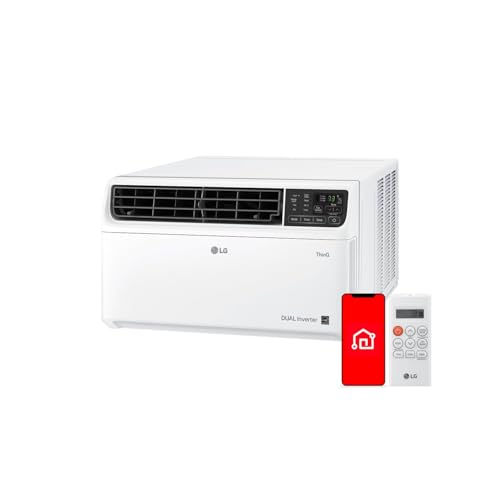
LG 14,000 BTU DUAL Inverter Smart Window Air Conditioner, 115V, Cools 800 Sq. Ft. for Bedroom, Living Room, Apartment, Quiet Operation, ENERGY STAR®, works with LG ThinQ, Amazon Alexa and Hey Google
Check price on Amazon
Midea 6,000 BTU U Shaped Window Air Conditioner, Cools up to 250 Sq Ft | Ultra Quiet U-Shaped Design, Inverter Control, Open Window Flexibility, Alexa/Google Assistant, 37% Energy Savings, 2026 New
Check price on Amazon
Durastar 12,000 BTU Through the Wall 208/230V Air Conditioner and Remote | 10600 BTU Supplemental Heating, Coverage area 550 square feet
Check price on Amazon
Durastar 8,000 BTU Through the Wall 115V Air Conditioner and Remote | Coverage area 700 square feet
Check price on AmazonFrequently Asked Questions
An Energy Star wall air conditioner meets strict efficiency guidelines set by the U.S. Environmental Protection Agency. These units use less energy than standard models, which helps reduce electricity consumption and environmental impact over the unit's lifespan. Certification is based on the unit's Combined Energy Efficiency Ratio (CEER), which factors in both active cooling efficiency and standby power draw.
Match BTU capacity to your room size. A 5,000–6,000 BTU unit suits rooms up to 150 sq ft, 8,000–10,000 BTU for 150–250 sq ft, and 12,000–14,000 BTU for 250–400 sq ft. Consider ceiling height, sun exposure, and occupancy for best results. For a detailed sizing guide, refer to the table earlier in this article.
Through-the-wall units require a properly sized wall sleeve and access to an exterior wall. Installation should be done by a qualified technician to ensure structural integrity, proper drainage, and electrical safety. Some walls may need reinforcement, and local building codes may require a permit.
Energy Star certified models may qualify for federal tax credits, utility rebates, or local incentive programs. Eligibility varies by region and program year. Check with your utility provider and consult official Energy Star resources for current opportunities in your area.
With proper installation and regular maintenance, a quality wall air conditioner can last 10–15 years. Factors that affect lifespan include usage intensity, climate, maintenance frequency, and build quality. Premium-tier units with durable construction and corrosion-resistant components tend to have longer service lives. Regular filter cleaning and annual professional servicing are key to maximizing longevity.
A wall air conditioner is a single-unit system installed through an exterior wall, with all components housed in one chassis. A mini-split system separates the compressor (outdoors) from the air handler (indoors), offering quieter indoor operation and greater flexibility for multiple zones. Mini-splits generally require professional installation and are often more efficient in the long run. For more information, see our Energy Star mini-split heat pump guide.