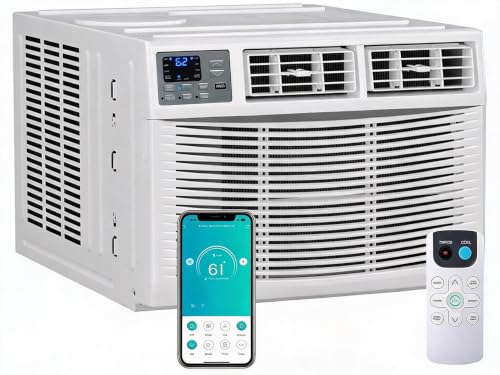
Energy Star Window Air Conditioner with Heat: Your Year-Round Comfort Solution
Everything you need to know before choosing an energy-efficient window unit that cools in summer and warms in cooler months. Learn how heat mode works, how to size your unit, and which features matter most.
Explore the GuideA window air conditioner with heat combines two functions in a single compact unit: cooling for warm months and heating for cooler periods. When that unit also carries the Energy Star label, it means the appliance has met strict efficiency guidelines set by the U.S. Environmental Protection Agency. For homeowners, renters, and anyone living in a space without ductwork, this combination offers a practical path to year-round comfort without major renovation. This guide walks through how these units work, what to check before buying, and how to get the most from your investment.
Why Choose an Energy Star Window AC with Heat?
Choosing a window unit with heat capability means one installation serves two seasons. Instead of storing a window AC in winter and relying on separate space heaters, you keep a single appliance mounted and ready. The Energy Star certification adds another layer of value: certified models are independently verified to use less energy than standard units while delivering the same cooling or heating output. That efficiency matters most during peak summer demand and cold snaps when energy use climbs.
Dual-Season Functionality
Cooling and heating in one chassis saves storage space and simplifies seasonal transitions. You avoid buying, storing, and maintaining two separate appliances.
Verified Efficiency
Energy Star models meet or exceed federal efficiency thresholds. Higher CEER and HSPF ratings translate to lower electricity consumption over the unit's service life.
No Ductwork Required
Perfect for older homes, apartments, and additions where installing central ductwork is impractical or disruptive to the existing structure.
Targeted Comfort
Cool or warm only the room you use. Zone-based comfort avoids conditioning unused spaces, which is especially useful in multi-room homes.
Efficiency note: Energy Star window units are rated for cooling efficiency using CEER (Combined Energy Efficiency Ratio). Heat pump models also carry an HSPF rating (Heating Seasonal Performance Factor). Higher values indicate greater efficiency. Always compare ratings within the same capacity class for an accurate picture.
How Heat Mode Works in a Window AC
Not all window units with heat use the same mechanism. Understanding the difference helps you choose a model that matches your climate and expectations.
- Heat pump models: These reverse the refrigerant cycle to absorb heat from outdoor air and release it indoors. They are highly efficient in moderate climates but lose capacity as outdoor temperatures drop toward freezing.
- Electric resistance models: These use heating coils similar to a space heater. They work in colder conditions but consume more electricity per unit of heat delivered. Energy Star certification is less common for this type because resistance heating is inherently less efficient.
- Hybrid or dual-source models: Some units combine a heat pump with a backup resistance element, automatically switching to resistance heat when outdoor temperatures fall below the heat pump's effective range.
For most buyers seeking an Energy Star window unit, a heat pump model is the preferred choice. It delivers strong efficiency in spring and fall and handles mild winter heating well. If you live in a region with prolonged freezing temperatures, consider whether a heat pump alone can meet your needs or whether a supplementary heating source is necessary. You can learn more about dedicated heat pump window units on our Energy Star window heat pump guide.
Sizing Your Window AC with Heat
Correct sizing is the single most important factor in satisfaction. An undersized unit runs constantly and fails to reach the set temperature. An oversized unit cools or heats too quickly, cycles on and off frequently, and leaves uneven comfort while wasting energy. Use the table below as a starting reference, then adjust for room conditions.
| Room Size | Cooling Capacity (BTU) | Typical Use Case | Tier Guidance |
|---|---|---|---|
| Up to 150 sq ft | 5,000 – 6,000 BTU | Bedroom, small office, studio nook | Entry-level capacity |
| 150 – 250 sq ft | 8,000 – 10,000 BTU | Medium bedroom, living area | Mid-range capacity |
| 250 – 400 sq ft | 12,000 – 14,000 BTU | Large bedroom, open living space | Premium capacity |
| 400 – 550 sq ft | 15,000 – 18,000 BTU | Studio apartment, large open room | High-end capacity |
Adjust upward for rooms with high ceilings, large unshaded windows, poor insulation, or multiple occupants. Adjust downward for heavily shaded rooms or those in mild climates. For a deeper walkthrough of the calculation method, see our guide on Energy Star rated window air conditioners, which includes sizing examples and efficiency comparisons.
Key Features to Evaluate
Beyond capacity and efficiency ratings, several features influence day-to-day satisfaction. Prioritize based on how you plan to use the unit.
- Thermostat control: Digital thermostats with precise setpoints maintain steadier comfort than mechanical dials. Look for programmable or 24-hour timer options if you want automated scheduling.
- Remote and Wi-Fi control: Smart connectivity lets you adjust settings from your phone, integrate with voice assistants, and monitor energy use. Our overview of Energy Star window ACs with remote and Wi-Fi control covers what to look for.
- Fan speeds and modes: Multiple fan speeds and modes (cool, heat, fan-only, dry) add flexibility. A fan-only mode is useful for air circulation without conditioning.
- Filter accessibility: Washable, slide-out filters simplify routine maintenance. Easy access encourages regular cleaning, which preserves efficiency and indoor air quality.
- Noise level: Check decibel ratings if the unit will be in a bedroom. Heat pump models can be slightly louder in heating mode due to compressor operation.
- Installation kit: Confirm the unit includes a window mounting kit, support brackets, and insulation panels. Larger units may need additional support hardware.
Installation and Placement Tips
Proper installation protects the unit, improves efficiency, and extends service life. Most window units are designed for double-hung windows, but always verify compatibility before purchase.
- Choose a window that receives shade during the hottest part of the day if possible. Direct sun on the unit reduces cooling efficiency.
- Ensure the window frame is sound and can support the unit's weight. Larger units may require a support bracket rated for the load.
- Maintain a slight downward tilt toward the outdoors so condensation drains properly.
- Seal gaps around the unit with the included insulation panels or weatherstripping to prevent air leaks.
- Keep outdoor airflow unobstructed. Do not block the rear coil with curtains, furniture, or exterior structures.
- For through-the-wall installations, confirm the unit is rated for that application. Not all window units are suitable for wall mounting.
If you are comparing installation approaches, our guide to Energy Star through-the-wall air conditioners explains when a wall-mounted unit may be a better fit than a window-mounted one.
Maintenance for Long-Term Efficiency
A well-maintained unit holds its efficiency rating far longer than a neglected one. Build a simple maintenance routine around these steps.
- Clean or replace the air filter every two to four weeks during heavy use. A clogged filter forces the unit to work harder and reduces airflow.
- Inspect and gently clean the outdoor coil at the start of each cooling season. Remove debris, leaves, and dust.
- Check the condensate drain path for clogs. Standing water can lead to mold and reduced performance.
- Schedule a professional inspection every two to three years, or annually if the unit runs year-round. Technicians can check refrigerant levels, electrical connections, and component wear.
- Store the unit properly during extended off-seasons if you remove it from the window. Cover it to prevent dust buildup.
For a broader look at efficiency-focused models, see our roundup of the most efficient Energy Star window air conditioners, which highlights top-performing units by category.
Comparing Window Units with Heat to Other Options
Window ACs with heat are not the only path to year-round comfort. Understanding the alternatives helps you choose the right solution for your space and climate.
- Mini-split heat pumps: Quieter and more efficient than window units, with better cold-weather performance. They require professional installation and a wall or ceiling mount. Explore Energy Star mini-split heat pumps if you want a long-term, high-efficiency solution.
- Portable ACs with heat: Easier to move between rooms but generally less efficient and noisier than window units. See our guide to Energy Star portable air conditioners for a comparison.
- Central systems: Best for whole-home comfort but require ductwork and significant installation work. Not practical for renters or homes without existing ducts.
For many rooms, a window unit with heat is the most practical balance of convenience, efficiency, and installation simplicity. If you are also considering cooling-only options, our overview of Energy Star window units provides a helpful baseline.
Frequently Asked Questions
How does a window air conditioner with heat work?
A window AC with heat uses a reversing valve or electric heating element to provide warm air during cooler months. Heat pump models reverse the refrigerant cycle to move heat from outside to inside, while electric heat models use resistance coils. Energy Star heat pump models are typically more efficient for heating than electric resistance models.
Is a window AC with heat suitable for cold winters?
Heat pump window units work best in mild to moderate climates where outdoor temperatures stay above freezing. In regions with harsh winters and prolonged sub-freezing temperatures, a heat pump window unit may struggle or stop heating efficiently. Electric heat models can operate in colder conditions but consume more energy.
What size window AC with heat do I need?
Sizing follows the same BTU-per-square-foot rule as cooling-only units. A 150 to 250 square foot room typically needs 8,000 to 10,000 BTU, while 250 to 400 square feet needs 12,000 to 14,000 BTU. Consider ceiling height, sun exposure, insulation, and occupancy when finalizing capacity.
Can I install an Energy Star window AC with heat myself?
Most window units are designed for DIY installation in a double-hung window using the included mounting kit. Units above 12,000 BTU are heavier and may require two people or additional support brackets. Always follow the manufacturer's instructions and local building codes, and consider professional installation for larger or through-the-wall models.
Ready to choose? An Energy Star window air conditioner with heat is a smart, practical investment for rooms that need both cooling and warming without the complexity of ductwork. Use the sizing table and feature checklist above to narrow your options, then compare specific models in our product recommendations below. For a wider view of certified cooling options, visit our Energy Star qualified air conditioners hub.