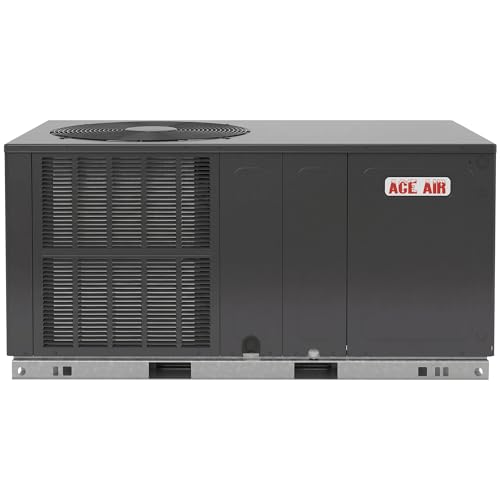
Exterior HVAC Unit: The Complete Guide to Outdoor Air Conditioning Systems
Understand how the outdoor unit works, where to place it, how to protect it from the elements, and how to keep it running efficiently for years.
Start LearningWhat You Will Learn on This Page
- What Is an Exterior HVAC Unit?
- Key Components of the Outdoor Unit
- How the Exterior Unit Works
- Types of Exterior HVAC Units
- Placement and Clearance Guidelines
- Weather Protection and Seasonal Care
- Maintenance Checklist
- Common Problems and Troubleshooting
- What to Look For When Choosing a Unit
- Frequently Asked Questions
What Is an Exterior HVAC Unit?
An exterior HVAC unit is the outdoor portion of a split air conditioning or heat pump system. Often called the condenser unit or outdoor unit, it is the large metal cabinet typically installed on a concrete pad beside a home, on a rooftop, or on a wall bracket. While the indoor air handler circulates cool air through the ductwork, the exterior HVAC unit is responsible for releasing the heat that was absorbed from inside the building.
For homeowners researching a new system or maintaining an existing one, understanding the exterior unit is essential. This component operates in harsh conditions year-round — exposed to sun, rain, dust, debris, and temperature swings — making it the part of the system most vulnerable to wear. A well-maintained exterior air conditioner unit can last well over a decade, while a neglected one may fail prematurely and drive up energy use.
Key Components of the Outdoor Unit
Although the cabinet looks simple from the outside, the exterior unit is a precision assembly of mechanical and electrical parts. Each component plays a specific role in heat rejection.
| Component | Function | Maintenance Note |
|---|---|---|
| Compressor | Pumps refrigerant between the indoor and outdoor coils, raising its pressure and temperature. | Sealed unit; requires clean power and proper refrigerant charge to avoid failure. |
| Condenser Coil | Releases heat from the refrigerant into the outdoor air. | Rinse gently each season; keep fins straight with a fin comb. |
| Condenser Fan | Moves air across the coil to speed up heat transfer. | Check blades for debris and listen for bearing noise. |
| Contactor and Capacitor | Control power delivery to the compressor and fan motor. | Common failure points; inspect during annual service. |
| Service Valves | Allow technicians to connect gauges and isolate refrigerant lines. | Keep caps tight to prevent leaks and contamination. |
| Cabinet and Fan Grille | Protects internal parts and directs airflow. | Remove leaves and lint; ensure grille is not blocked. |
In heat pump systems, the exterior unit also includes a reversing valve, allowing it to act as an evaporator in heating mode. This dual function makes placement and clearance even more important, since airflow must remain unobstructed in both seasons.
How the Exterior Unit Works
The cooling process relies on a continuous cycle of refrigerant changing pressure and state. Here is a simplified sequence:
- The indoor evaporator coil absorbs heat from your home's air and transfers it to the refrigerant, turning it from liquid to gas.
- The compressor in the exterior HVAC unit compresses the gas, raising its temperature and pressure.
- The hot gas enters the condenser coil, where the condenser fan blows outdoor air across the fins, releasing heat.
- The refrigerant condenses back into a liquid and travels through the line set to the indoor coil, where the cycle repeats.
Because the exterior unit rejects heat, it must have constant airflow. A blocked or dirty condenser coil forces the compressor to work harder, which increases electricity consumption and shortens equipment life. This is why placement guidelines and regular cleaning are not optional — they are central to system performance.
Types of Exterior HVAC Units
Not all outdoor units look or perform the same. The type you have depends on the indoor system it pairs with.
Split System Condenser
The most common configuration in North American homes. A single outdoor cabinet connects to an indoor air handler or furnace via refrigerant lines. These units range from entry-level to premium tiers, with higher-tier models offering quieter operation, variable-speed compressors, and better humidity control.
Heat Pump Outdoor Unit
Visually similar to a condenser, a heat pump outdoor unit can reverse the refrigerant flow to provide heating in colder months. If you are evaluating efficiency, an ENERGY STAR mini split heat pump or a heat pump window unit may be worth considering for smaller zones. Heat pumps require the same clearance and airflow rules as condensers, but they must remain uncovered in winter to function.
Packaged Unit
In packaged systems, all components — compressor, condenser, and evaporator — are housed in a single outdoor cabinet, usually on the roof or a ground pad. These are common in commercial buildings and some residential applications where indoor space is limited. Maintenance access is typically through removable panels on the cabinet.
Mini-Split Outdoor Unit
Ductless mini-splits use a compact outdoor unit connected to one or more indoor wall, floor, or ceiling cassettes. These units are often smaller than central condensers and can be wall-mounted, which is useful for homes without yard space. For high-efficiency options, see our guide to ENERGY STAR mini split systems.
Placement and Clearance Guidelines
Where the exterior HVAC unit sits has a direct impact on efficiency, noise, and serviceability. Poor placement can cause recirculation of hot air, reduced cooling capacity, and premature component failure.
Recommended Clearances
- Side and rear clearance: 12 to 24 inches from walls, fences, or shrubs.
- Front clearance (service access): At least 24 to 36 inches for technician access.
- Top clearance: 48 to 60 inches of open space above the fan discharge.
- Between two units: Follow manufacturer guidance, often 24 to 36 inches to prevent hot air recirculation.
Placement Best Practices
- Install on a level, solid pad — concrete or composite — not directly on soil or grass.
- Elevate the unit slightly above grade to prevent water pooling and snow accumulation.
- Avoid placing the unit under bedroom windows or near patios where noise is disruptive.
- Keep the unit out of direct prevailing wind if possible, as strong wind can affect fan performance.
- Do not enclose the unit in a tight fence or decorative screen; if screening is required, use louvered panels with generous open area.
- Ensure the area is free of dryer vents, exhaust fans, or sprinkler heads that introduce moisture or debris.
If you are installing a new system or replacing an old one, confirm that the new unit's dimensions and airflow requirements match the existing pad and clearance. A properly installed exterior unit should be accessible for service without dismantling fencing or landscaping.
Weather Protection and Seasonal Care
The exterior HVAC unit is designed to withstand outdoor conditions, but it still benefits from seasonal attention. The goal is not to seal it off from the environment, but to prevent debris buildup and moisture damage.
Summer and Cooling Season
- Trim grass and vegetation at least 18 inches away from the cabinet.
- Rinse the condenser coil with a garden hose when the unit is off — never use a pressure washer.
- Check that the fan spins freely and that no sticks or leaves are lodged inside.
Winter and Heating Season
- For cooling-only systems, a breathable top cover can keep snow and debris out of the fan opening.
- Never wrap the entire cabinet in plastic or fabric; trapped moisture causes rust and electrical issues.
- Heat pump units must remain uncovered and clear of snow so they can perform defrost cycles.
- After a snowstorm, gently clear snow from around the unit, but do not chip ice from the coil.
Storm and Flood Readiness
If severe weather is forecast, secure loose objects around the unit and check that the pad is not eroding. After flooding, do not turn the system on until a technician has inspected the electrical components and refrigerant circuit. Water intrusion into the compressor and contactor can cause dangerous shorts.
Maintenance Checklist
Regular maintenance is the single most effective way to extend the life of an exterior HVAC unit. The tasks below can be divided into homeowner-level checks and professional service.
| Task | Frequency | Who Should Perform It |
|---|---|---|
| Clear debris from cabinet and surrounding area | Monthly during cooling season | Homeowner |
| Rinse condenser coil | Every 2–3 months | Homeowner |
| Check fan operation and listen for unusual noise | Monthly | Homeowner |
| Inspect electrical contactor and capacitor | Annually | HVAC technician |
| Measure refrigerant charge and check for leaks | Annually | HVAC technician |
| Clean or straighten condenser fins | As needed | HVAC technician |
| Verify pad level and cabinet integrity | Annually | Homeowner or technician |
Refrigerant handling is regulated. If you suspect a leak, do not attempt to add refrigerant yourself. Review the EPA refrigerant handling rules and contact a licensed technician. For a broader view of system care, see our first week after AC installation guide, which covers what to monitor after a new outdoor unit is commissioned.
Common Problems and Troubleshooting
Most exterior unit issues fall into a few predictable categories. Recognizing the symptoms early can prevent a minor repair from becoming a major replacement.
Unit Not Running
- Check the thermostat setting and indoor breaker first.
- Inspect the outdoor disconnect switch — it may have been turned off for service.
- If the contactor does not engage, a technician should test the control circuit and capacitor.
Loud or Unusual Noises
- Rattling: loose cabinet panels or debris inside the unit.
- Humming but not starting: failing capacitor or seized compressor.
- Screeching: fan motor bearings or belt (on older units).
- Clicking: contactor cycling or electrical fault.
Ice on the Outdoor Coil
Ice formation usually indicates low refrigerant, restricted airflow, or a faulty defrost board on a heat pump. Turn the system off and call a technician. Continuing to run the unit with ice buildup can damage the compressor.
Water Pooling Around the Unit
Condensate from a heat pump's defrost cycle can create puddles, which is normal. However, standing water around the pad may indicate a blocked drain or poor grading. Ensure the pad is level and the area drains away from the foundation. For indoor drainage issues, see our guide on excessive water dripping from the AC drain pipe.
What to Look For When Choosing a Unit
When the time comes to replace an exterior HVAC unit, the decision involves more than matching the indoor coil. Consider the following factors:
- Efficiency rating: Higher SEER2 and HSPF2 ratings indicate better efficiency. Look for ENERGY STAR qualified air conditioners if efficiency is a priority.
- Compressor type: Single-stage, two-stage, and variable-speed compressors differ in comfort, noise, and efficiency. Variable-speed models are typically top-tier in comfort and efficiency.
- Noise level: Measured in decibels, noise varies widely. Premium tiers often include sound blankets and quieter fan designs.
- Cabinet durability: Look for heavy-duty, rust-resistant cabinets with a protective coating, especially in coastal or humid climates.
- Dimensions and footprint: Confirm the new unit fits the existing pad and meets clearance requirements.
- Warranty: A longer compressor warranty often signals a manufacturer's confidence in build quality.
- Refrigerant type: Newer systems use R-32 or R-454B, which have lower global warming potential. Ensure the indoor coil and line set are compatible.
If you are comparing a full system replacement, our resources on AC replacement estimates and HVAC replacement estimates explain the scope of work without quoting figures. For whole-home projects, the central air installation estimate guide outlines what a contractor will assess.
Frequently Asked Questions
What is an exterior HVAC unit?
An exterior HVAC unit, commonly known as the outdoor condenser unit, is the component of a split air conditioning system that sits outside the home. It houses the compressor, condenser coil, and condenser fan, and is responsible for releasing heat absorbed from indoor air.
How far should an exterior HVAC unit be from the house?
Most manufacturers recommend a minimum clearance of 12 to 24 inches on all sides of the exterior HVAC unit, with at least 48 to 60 inches of open space above it. This ensures proper airflow and access for maintenance.
Should an exterior HVAC unit be covered in winter?
Covering the top of the unit with a breathable cover is generally acceptable to prevent debris from entering. However, never wrap the entire unit tightly, as trapped moisture can cause rust and corrosion. For heat pump systems, avoid covering entirely as they operate in winter.
How often should an exterior HVAC unit be serviced?
An exterior HVAC unit should be professionally serviced at least once per year, ideally in spring before the cooling season. Homeowners should also perform monthly checks such as clearing debris and rinsing the condenser coils.
What causes an exterior HVAC unit to make loud noises?
Loud noises from an exterior HVAC unit may indicate a failing fan motor, loose components, debris inside the cabinet, a worn compressor, or refrigerant issues. Unusual sounds should be inspected by a qualified HVAC technician.
Can I install a fence or screen around my exterior HVAC unit?
Yes, but the screen must provide ample airflow and service access. Use louvered panels with generous open area, and keep at least the manufacturer's minimum clearance on all sides. Solid fences that trap heat will reduce efficiency and may void the warranty.
Why does my exterior unit run even when the indoor system is off?
On heat pump systems, the outdoor unit may run during defrost cycles or when auxiliary heat is active. If the indoor fan is off and the outdoor unit runs continuously, a control or thermostat issue may be present — call a technician to diagnose.