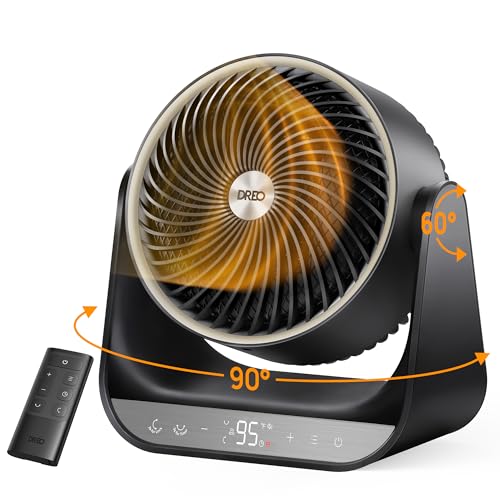
Forced Air Heater: The Complete Guide
Everything you need to understand forced air heating — how it works, how to size it, efficiency ratings, installation considerations, and maintenance — so you can choose the right system for your home with confidence.
START LEARNINGWhy this guide matters: A forced air heater is the most common residential heating system in North America, yet many homeowners buy based on guesswork. Understanding airflow, sizing, and efficiency before you shop will help you avoid oversized equipment, wasted energy, and disappointing comfort. Read first, then choose.
What Is a Forced Air Heater?
A forced air heater is a heating system that warms air in a central unit and then distributes that warm air through a network of ducts into the rooms of a home or building. A blower fan — the "forced" part of the name — pushes the heated air through the ductwork and out of registers or vents. The same duct system is often shared with a central air conditioner, which is why forced air systems are so common in combined heating and cooling setups.
The core components of a forced air heater typically include a heat exchanger (where fuel is burned or electric elements glow), a blower motor, an air filter, ductwork, and a thermostat. When the thermostat calls for heat, the system ignites or energizes the heat source, the blower starts, and warm air moves through the ducts. Return air is pulled back through return grilles to be reheated.
If you want to understand how the heating side integrates with cooling, the broader topic of forced air systems covers the shared ductwork and airflow design that both functions rely on. For homes that combine both, a forced air furnace with a cooling unit is a common configuration that uses one blower and one duct system for year-round comfort.
Forced Air Heating vs. Other Heating Methods
Unlike radiant floor heating, which warms surfaces directly, or baseboard electric heaters, which heat individual rooms, a forced air heating system conditions and distributes air from a central location. This makes it efficient for whole-home coverage and easy to combine with air filtration, humidification, and central cooling. The trade-off is that ductwork must be properly sealed and balanced, or energy losses and uneven temperatures will result.
Types of Forced Air Heaters
Forced air heaters are classified primarily by their fuel source. Each type has distinct installation requirements, efficiency characteristics, and operating considerations.
Gas Forced Air Furnace
Burns natural gas or propane in a heat exchanger. The most common type in areas with gas infrastructure. Mid-range and premium models achieve high annual fuel utilization efficiency.
Electric Forced Air Furnace
Uses electric resistance elements to heat air. Simpler installation and no combustion venting, but generally higher operating energy use than gas in most regions. A solid choice where gas is unavailable.
Oil Forced Air Furnace
Burns heating oil. Common in older homes and rural areas without gas lines. Requires fuel storage and regular burner maintenance. A forced air oil furnace with a central air conditioning unit is a recognized combined setup.
Heat Pump Forced Air System
Uses refrigerant cycles to move heat rather than generate it. Highly efficient for both heating and cooling. Works best in moderate climates and pairs well with ENERGY STAR mini split heat pump technology for zoned comfort.
Beyond fuel type, forced air heaters also differ by configuration: upflow, downflow, and horizontal models are designed to match different duct layouts and installation spaces. A qualified HVAC contractor will recommend the configuration that fits your home's mechanical room and duct design.
How a Forced Air Heater Works
Understanding the operating cycle helps you diagnose problems and evaluate features. Here is the typical sequence:
- Thermostat call: When room temperature drops below the setpoint, the thermostat signals the heater to start.
- Ignition or energizing: A gas burner ignites, an oil burner fires, electric elements heat up, or a heat pump compressor engages.
- Heat exchange: Air passes over the heat exchanger and absorbs heat. In a gas furnace, combustion gases stay separate from the supply air.
- Blower distribution: The blower fan pushes warmed air through the supply ducts to registers in each room.
- Return air: Cooler air is drawn back through return grilles and filters, then reheated.
- Shutdown: Once the thermostat is satisfied, the heat source shuts off and the blower runs briefly to extract residual heat.
The efficiency of this cycle depends on the heat exchanger design, blower motor type (constant-torque or variable-speed), and duct integrity. Variable-speed blowers, found on higher-tier models, run at lower speeds for longer periods, which improves temperature consistency and reduces noise.
Sizing a Forced Air Heater Correctly
Oversizing is the most common forced air heating mistake. A heater that is too large heats the space quickly, then shuts off — a cycle known as short-cycling. This causes temperature swings, increased wear, and higher energy use. Undersizing leads to long runtimes and inadequate comfort on cold days.
Proper sizing starts with a room-by-room heat load calculation, often called a Manual J calculation. This considers square footage, ceiling height, window area and glazing type, insulation levels, air infiltration, and local climate design temperatures. A qualified contractor should perform this calculation rather than relying on a simple rule of thumb.
For context on how sizing principles carry over to cooling, the approach in how to size an air conditioner follows the same load-calculation logic. Many HVAC professionals size the heating and cooling sides of a forced air system together because they share ductwork and blower capacity.
| Home Size Category | Typical Heating Capacity Tier | Best For |
|---|---|---|
| Small home / apartment | Entry-level capacity | Compact layouts, mild climates, well-insulated spaces |
| Mid-size single-family home | Mid-range capacity | Most suburban homes with standard insulation and window area |
| Large home / multi-zone | High-end tier capacity | Larger footprints, multi-story layouts, colder climates |
| Custom / estate property | Top-tier capacity | Complex duct layouts, high ceilings, extensive glazing |
Note that capacity tiers above are relative descriptors, not fixed numbers. Your contractor's load calculation determines the precise output your home requires.
Efficiency Ratings Explained
For gas and oil furnaces, efficiency is expressed as Annual Fuel Utilization Efficiency (AFUE). A higher AFUE means a greater percentage of fuel energy becomes usable heat. Modern condensing furnaces recover heat from exhaust gases and reach the high-end tier of AFUE performance. Standard non-condensing furnaces sit in the mid-range tier.
For heat pump forced air systems, efficiency is expressed as Heating Seasonal Performance Factor (HSPF) for heating and Seasonal Energy Efficiency Ratio (SEER) for cooling. Products carrying the ENERGY STAR qualified air conditioners designation meet independent efficiency thresholds. If efficiency is a priority, exploring ENERGY STAR most efficient air conditioners and related certification pages can help you compare performance tiers objectively.
Efficiency also depends on the blower motor. Electronically commutated motors (ECM) use less electricity than older permanent split capacitor motors and are standard on premium and high-end tier equipment. Duct sealing matters as well: leaking ducts can waste a significant portion of conditioned air regardless of furnace efficiency.
Installation Considerations
Forced air heater installation is not a do-it-yourself project in most jurisdictions. Gas piping, combustion venting, electrical connections, and duct modifications typically require permits and licensed professionals. Key considerations include:
- Location and clearance: The unit needs adequate clearance for combustion air and service access. Upflow, downflow, and horizontal configurations fit different spaces.
- Duct design: Supply and return duct sizing must match airflow requirements. Poor duct design causes noise, uneven heating, and reduced efficiency.
- Venting: Gas and oil units require proper flue venting. Condensing furnaces use PVC venting and condensate drainage.
- Electrical: Blower motors and controls need a dedicated circuit. Heat pump systems require outdoor unit power and refrigerant lines.
- Permits and inspection: Most municipalities require a mechanical permit and final inspection.
Choosing a qualified contractor is as important as choosing the equipment. The guide to choosing an HVAC contractor outlines credentials, licensing, and questions to ask before signing a contract. For a broader view of system integration, the forced air heating system page explains how ductwork, zoning, and equipment interact.
Maintenance and Longevity
Regular maintenance keeps a forced air heater safe and efficient. A typical schedule includes:
- Monthly: Check and replace the air filter. A clogged filter restricts airflow and strains the blower.
- Seasonally: Clear debris around outdoor units (for heat pumps) and verify vents and registers are unobstructed.
- Annually: Schedule a professional inspection. Technicians clean the heat exchanger, check combustion, verify electrical connections, and test safety controls.
For homes that also run cooling, combining maintenance visits saves time. The principles in how to clean an AC filter apply directly to forced air heating filters as well. If your system shares ductwork with cooling equipment, the seasonal AC checklist is a useful cross-reference for filter and airflow checks.
Well-maintained forced air heaters commonly last 15 to 20 years for gas furnaces and longer for some heat pump configurations, depending on usage and climate. Prompt repair of unusual noises, short-cycling, or yellow burner flames protects both safety and lifespan.
What to Look For When Choosing a Forced Air Heater
When comparing models, focus on these factors rather than marketing claims:
- Efficiency tier: High-end tier AFUE or HSPF ratings reduce long-term energy use; entry-level tier models may suit mild climates or secondary heating needs.
- Blower type: Variable-speed or ECM blowers offer better comfort and quieter operation than single-speed blowers.
- Staging: Two-stage or modulating gas valves allow the heater to run at lower output for gentler, more consistent heating.
- Build quality: Durable construction, high-grade steel heat exchangers, and rust-proof finishes indicate a solid build.
- Warranty: Heat exchanger warranties vary; compare coverage periods across tiers.
- Smart compatibility: Thermostat compatibility matters for scheduling and remote control.
If you are also considering cooling equipment, the forced air duct system may allow you to add central cooling or a ENERGY STAR mini split system for zoned efficiency. For environmentally conscious buyers, environmentally friendly heating and cooling systems covers lower-impact options including heat pumps.
Frequently Asked Questions
How long does a forced air heater last?
Gas furnaces typically last 15–20 years with annual maintenance. Heat pump systems often last 12–15 years. Lifespan depends on usage, climate, and service history.
Is a forced air heater the same as a furnace?
A furnace is one type of forced air heater. The term "forced air heater" also includes electric furnaces, oil furnaces, and forced air heat pump systems that use a blower and ductwork to distribute heat.
Can I add central air conditioning to a forced air heating system?
Yes. Many forced air systems are designed to accept a cooling coil and outdoor condenser, creating a combined heating and cooling system. Duct capacity and blower compatibility should be verified by a contractor first.
Why does my forced air heater short-cycle?
Short-cycling is often caused by an oversized unit, a clogged filter, restricted airflow, or a faulty thermostat. A load calculation and professional inspection can identify the cause.
How often should the air filter be changed?
Most manufacturers recommend checking monthly and replacing every 1–3 months, depending on filter type, pets, and dust levels. High-efficiency filters may need more frequent attention.
Ready to Compare Forced Air Heaters?
You have the fundamentals. Now explore recommended models and check availability through the product section below.
VIEW RECOMMENDATIONS