
Forced Air Heating System: Complete Guide
Discover how forced air heating systems work, their key components, efficiency ratings, maintenance requirements, and how to choose the right system for your home's comfort needs.
START LEARNINGAC Units Guide Philosophy: Understanding your heating system is the first step toward a comfortable, energy-efficient home. This guide walks you through everything you need to know about forced air heating before you make any decisions.
What Is a Forced Air Heating System?
A forced air heating system is one of the most common home heating methods in North America. It works by heating air in a central furnace and then distributing that warm air through a network of ducts to every room in your home. A blower fan forces the heated air through the ductwork, while cooler return air is drawn back into the system to be reheated and recirculated.
This type of system can be powered by natural gas, propane, oil, or electricity. Many homeowners appreciate that a forced air system can be paired with a central air conditioner or heat pump to provide both heating and cooling through the same ductwork, creating a complete year-round comfort solution.
Whether you are building a new home, replacing an aging furnace, or simply researching how your existing system works, understanding the fundamentals of forced air heating will help you make informed decisions about installation, maintenance, and energy efficiency. For homes that also need cooling, exploring an energy-efficient mini-split heat pump alongside a forced air furnace can offer additional zoning flexibility.
How a Forced Air Heating System Works
The operation of a forced air heating system follows a straightforward cycle that repeats until your thermostat reaches the desired temperature setting:
1. Thermostat Activation
When your home's temperature drops below the set point, the thermostat signals the furnace to begin heating. Modern programmable and smart thermostats can optimize this cycle for better energy management.
2. Combustion or Electric Heating
In a gas furnace, burners ignite and heat the heat exchanger. In an electric furnace, heating elements warm up. The blower then activates to move air across the heated exchanger.
3. Air Distribution Through Ducts
The warmed air travels through supply ducts and exits through registers in each room. Proper duct design and sealing are critical for even heating and energy efficiency.
4. Return Air Cycle
Cooler air is drawn back through return grilles and ducts to the furnace, where it is filtered and reheated. This continuous cycle maintains consistent indoor temperatures.
The efficiency of this cycle depends heavily on the quality of your ductwork. Leaky or poorly insulated ducts can waste a significant portion of the heat your furnace produces. If your home has issues with duct leakage, learning about flexible ductwork for HVAC can help you understand modern sealing and insulation options. Additionally, pairing your heating system with an ENERGY STAR qualified air conditioner ensures your shared ductwork serves both heating and cooling efficiently.
Key Components of a Forced Air Heating System
A forced air heating system consists of several interconnected components, each playing a vital role in delivering warm air throughout your home:
| Component | Function | Maintenance Notes |
|---|---|---|
| Furnace | Generates heat through combustion or electric elements | Annual professional inspection recommended |
| Blower Fan | Circulates heated air through the duct system | Lubricate motor if applicable; check for debris |
| Heat Exchanger | Transfers heat from combustion gases to the air stream | Inspect for cracks annually (safety critical) |
| Ductwork | Distributes warm air to rooms and returns cool air | Seal leaks; clean periodically |
| Air Filter | Traps dust, allergens, and debris from circulating air | Replace every 1–3 months |
| Thermostat | Controls temperature settings and system operation | Calibrate periodically; upgrade to programmable |
| Registers & Grilles | Direct airflow into rooms and return air pathways | Keep clear of furniture and obstructions |
| Flue/Chimney | Vents combustion byproducts safely outdoors | Inspect annually for blockages or damage |
Understanding each component helps you communicate more effectively with HVAC technicians and make better decisions about repairs versus replacement. For homeowners considering a combined heating and cooling setup, a forced air furnace with a cooling unit offers an integrated approach that maximizes the value of your ductwork investment.
Types of Forced Air Heating Systems
Forced air heating systems are available in several configurations, each suited to different home layouts and energy sources. The classification below groups them by market positioning to help you understand where each type typically fits:
Gas Forced Air Furnace
The most common configuration in North America. Natural gas furnaces offer reliable heating and are widely supported by utility infrastructure. Standard models provide solid performance for typical residential applications.
Electric Forced Air Furnace
Electric furnaces are simpler to install and require no gas line or flue. They are common in regions with mild winters or where gas infrastructure is unavailable. Operating characteristics differ from gas models.
Oil Forced Air Furnace
Oil furnaces are common in rural areas without natural gas access. A forced air oil furnace with a central air conditioning unit can provide both heating and cooling for homes in these regions.
Two-Stage Furnace
Two-stage furnaces operate at a lower output level most of the time and switch to full capacity only during extreme cold. This design provides more even temperatures and quieter operation than single-stage models.
Modulating Furnace
Modulating furnaces adjust heat output in fine increments, maintaining extremely stable indoor temperatures. These high-end tier systems pair well with smart thermostats and zoning systems for advanced comfort control.
Heat Pump Hybrid System
A dual-fuel system combines a forced air furnace with an electric heat pump. The heat pump handles most heating needs efficiently, while the furnace provides backup during extreme cold. This configuration is among the most energy-efficient options available.
For homeowners interested in the most efficient heating and cooling combination, exploring an ENERGY STAR most efficient air conditioner alongside a variable-speed furnace creates a system that balances comfort, efficiency, and long-term reliability. The descriptor "premium" or "top-tier" in this context refers to feature sets, build quality, and advanced controls — not to any specific financial commitment.
Advantages and Considerations
Advantages
- Can share ductwork with central air conditioning for year-round comfort
- Fast heat delivery — warms rooms quickly compared to radiant systems
- Supports air filtration and humidity control when paired with accessories
- Widely available service network and replacement parts
- Compatible with zoning systems for room-by-room control
- Heat pump hybrid configurations offer excellent long-term efficiency
Considerations
- Ductwork requires periodic inspection for leaks and insulation
- Air filters need regular replacement to maintain airflow
- Blower noise may be noticeable in some installations
- Ducted systems are not practical for homes without existing duct space
- Combustion furnaces require flue venting and safety inspections
- Dust and allergens can circulate if filtration is inadequate
For homes without ductwork, alternatives such as a ENERGY STAR mini-split system provide efficient heating and cooling without the need for extensive duct installation. However, if you already have ducts or are building new construction, a forced air system remains one of the most practical and versatile choices. Homeowners seeking comprehensive environmental solutions may also explore environmentally friendly heating and cooling systems to reduce their overall carbon footprint.
Efficiency Ratings and Maintenance Tips
Modern forced air furnaces are rated using AFUE (Annual Fuel Utilization Efficiency). Standard models typically achieve around 80% AFUE, while high-efficiency condensing furnaces can reach 90% or higher. The higher the AFUE rating, the more heat is delivered to your home from the fuel consumed. When combined with a high-efficiency cooling system — such as an ENERGY STAR through-the-wall air conditioner for specific rooms — whole-home comfort can be optimized.
Regular maintenance is essential for keeping your forced air heating system operating safely and efficiently. The following checklist covers the most important tasks:
- Replace air filters regularly. Check monthly and replace every 1–3 months depending on filter type and household conditions.
- Schedule annual professional inspections. A qualified HVAC technician should inspect the heat exchanger, burners, blower motor, and flue for safety and performance.
- Seal ductwork leaks. Leaky ducts can waste heated air. Use mastic sealant or professional duct sealing services to close gaps.
- Keep registers and returns unobstructed. Furniture, rugs, and curtains blocking airflow reduce system effectiveness.
- Clean around the outdoor unit (if applicable). For hybrid heat pump systems, keep the outdoor coil free of debris.
- Test carbon monoxide detectors. Combustion furnaces require working CO detectors near sleeping areas and on every level of the home.
- Balance airflow seasonally. Adjust dampers to direct more warm air to frequently used rooms during winter months.
- Consider a programmable thermostat. Set back temperatures during unoccupied hours to reduce energy consumption without sacrificing comfort.
If your system is aging and repairs are becoming more frequent, it may be time to evaluate replacement options. Comparing the estimate for AC replacement alongside heating system upgrades can help you plan a comprehensive HVAC investment. For a balanced perspective on replacement timing and decision factors, reviewing an estimate for HVAC replacement provides useful context for planning.
How to Choose the Right Forced Air System
Selecting the right forced air heating system involves several key considerations beyond just the furnace itself. Begin by evaluating your home's size, insulation quality, window efficiency, and existing ductwork condition. A proper load calculation (often called a Manual J calculation) determines the correct heating capacity for your specific home — an oversized system will cycle on and off frequently, reducing efficiency and comfort.
Next, consider your fuel source. Natural gas is often the default choice where infrastructure exists, but electric or oil systems may be more practical in certain regions. Heat pump hybrid configurations are worth evaluating if you want to maximize year-round efficiency. If you are also planning to add cooling, exploring options such as an ENERGY STAR window air conditioner with heat for supplementary zones can complement your central system.
Ductwork condition is another critical factor. If your home's ducts are old, leaky, or poorly insulated, upgrading them alongside a new furnace will improve performance and comfort. Discuss duct evaluation with your HVAC contractor as part of the installation planning process. For homes in regions where cooling is equally important, reviewing information on an ENERGY STAR rated window air conditioner can help you address spot cooling needs while your central system handles primary climate control.
Finally, consider smart controls and zoning. Modern programmable thermostats and multi-zone damper systems allow you to heat only the rooms you use, reducing waste. Premium-tier furnaces often support more advanced control integrations, making them a solid choice for homeowners who value automation and precise comfort management. When planning a full HVAC upgrade, it's also wise to review the estimated cost of central air installation alongside heating system projections to understand the complete scope of a combined project.
Frequently Asked Questions
How does a forced air heating system work?
A forced air heating system heats air in a central furnace and distributes it through a network of ducts into your home's rooms using a blower fan. Return air is drawn back into the system, reheated, and recirculated in a continuous cycle controlled by your thermostat.
What is the lifespan of a forced air furnace?
A well-maintained forced air furnace typically lasts 15 to 20 years. Regular filter changes, annual professional inspections, and prompt repairs can help extend its operational life and maintain efficiency throughout its service period.
How often should I change the filter in a forced air heating system?
Most forced air systems require filter changes every 1 to 3 months, depending on filter type, household size, and whether you have pets. High-efficiency pleated filters may last up to 3 months, while basic fiberglass filters should be changed monthly during peak heating season.
Can a forced air heating system also provide cooling?
Yes. A forced air heating system can be combined with a central air conditioner or heat pump to provide both heating and cooling through the same ductwork. This integrated configuration is often called a forced air HVAC system and is one of the most common home comfort setups.
What AFUE rating should I look for in a new furnace?
Standard furnaces typically achieve around 80% AFUE, while high-efficiency condensing furnaces reach 90% or higher. In colder climates where heating demand is substantial, higher-efficiency models often provide better long-term performance. Your HVAC contractor can help you determine which efficiency tier best matches your climate and home characteristics.
How can I improve the efficiency of my existing forced air system?
Start with regular filter replacement, sealing duct leaks, and scheduling an annual professional tune-up. Adding a programmable thermostat, improving attic insulation, and sealing windows and doors also reduce heating load. If your system is older, comparing the estimated cost for central air conditioning alongside heating upgrades can help you evaluate a comprehensive replacement plan that improves both heating and cooling efficiency.
Recommended Forced Air Heating System Components
⚠️ AFFILIATE DISCLOSURE: This website contains affiliate links. As an Amazon Associate, we earn from qualifying purchases. If you make a purchase through these links, we may receive a small commission at no additional cost to you. Read our full affiliate policy.

Mr. Heater 50,000 BTU Forced-Air Unit Heater (Propane or Natural Gas)
Check price on Amazon
COMFORT ZONE 5000-Watt Fan-Forced Ceiling Mount Garage Heater - Grey | 240V hardwired commercial heater offers 3 heat settings (3,000, 4,000, 5,000W) for garages and workshops.
Check price on Amazon
KINGRVER RV Furnace 25,000 BTU Complete High-Efficiency–Easy Installation Camper Furnace with Thermostat for Camper, Motorhome & Travel Trailer
Check price on Amazon
Dr. Infrared Heater Ecoheat Wall Hung or Wall Mounted Electric Space Heater, Dual System with Infrared and Fan Forced, Remote Control, 1500W, White
Check price on Amazon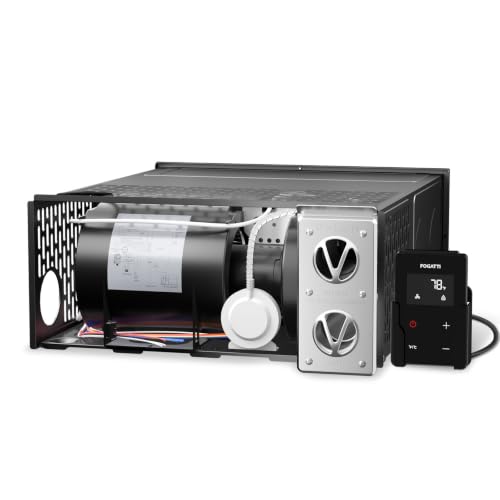
FOGATTI 25K BTU RV Furnace for Camper Travel Trailer, Motorhome & RV | High-Efficiency - Easy Installation & Quiet Powerful Heating RV Propane Furnace with Thermostat
Check price on Amazon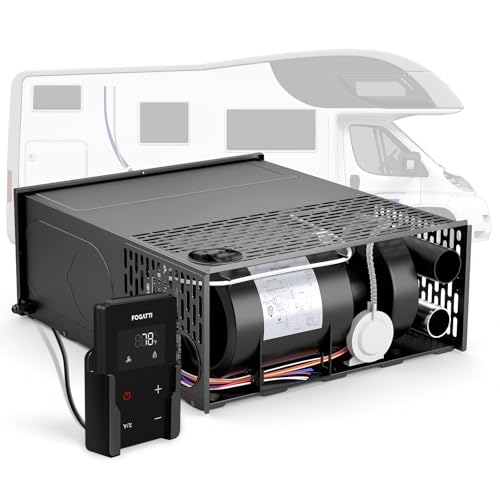
FOGATTI RV Furnace 25,000 BTU for Camper, Motorhome, RV Owners | High-Efficiency RV Heater with Thermostat, Easy Installation for Cold Weather Camping & Winter RV Living
Check price on Amazon
FOGATTI RV Furnace 35,000 BTU for Camper, Motorhome, RV Owners | High-Efficiency, 40dB Whisper-Quiet, Smart Thermostat 4-Level Power for Cold Weather Camping & Winter RV Living
Check price on Amazon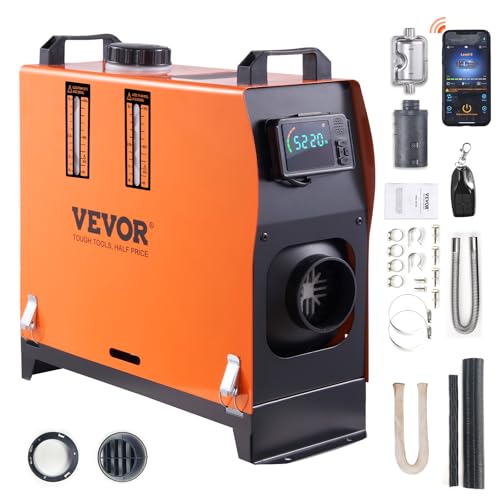
VEVOR 8KW Diesel Heater with Bluetooth App Control | For Vehicles and Indoors, Portable Parking Heater, Automatic Altitude Adjustment Max 18045 ft, with Remote Control and LCD
Check price on AmazonDisclaimer
Some of the content on this site uses AI assistance. Information is provided for educational purposes only. We are not responsible for any losses resulting from the use of this information. By using this site, you waive any right to bring legal claims against us arising from your use of the information provided. If you do not agree, please do not use this site. Read the full disclaimer.