
Heater and Air Conditioner Repair: A Complete Guide
Diagnose common HVAC failures, tackle safe do-it-yourself fixes, recognize when a licensed technician is essential, and build a maintenance routine that protects both your heating and cooling investment all year long.
Start DiagnosingWhy repair knowledge matters: A heater and air conditioner repair guide is not just for emergencies. Understanding how your system behaves helps you spot small faults before they become major failures, extend equipment lifespan, and communicate clearly with service professionals. Whether you own a ducted system, a ductless mini-split, or a window unit, the diagnostic logic below applies across categories.
How Heating and Cooling Systems Fail
Heating, ventilation, and air conditioning equipment is a network of mechanical, electrical, and refrigerant components working together. Repairs generally fall into a few predictable categories: airflow restriction, thermostat or control faults, electrical failures, refrigerant circuit issues, and mechanical wear. Recognizing the category of failure quickly narrows down the likely repair.
Airflow Problems
Clogged filters, blocked returns, collapsed ducts, and dirty blower wheels reduce efficiency and can freeze coils or overheat heat exchangers.
Control & Thermostat Faults
Dead batteries, miswired low-voltage terminals, incorrect settings, and failed zone valves prevent the system from responding to demand.
Refrigerant Circuit Issues
Leaks, undercharge, overcharge, and restrictions cause poor cooling, frozen lines, and compressor stress that requires certified handling.
Ignition & Heating Faults
Failed igniters, flame sensors, pilot assemblies, gas valves, and safety switches stop furnaces and boilers from producing heat.
Electrical & Motor Failures
Tripped breakers, blown fuses, bad capacitors, failing contactors, and worn blower or condenser fan motors halt operation.
Drain & Condensate Blockages
Algae growth and debris block condensate lines, triggering float switch shutoffs and water damage around air handlers.
If you are still comparing equipment categories before troubleshooting, the resource on heating and cooling systems explains how split, packaged, and ductless configurations differ. For homes considering a full upgrade rather than a repair, the overview of heating and air conditioning units for condos covers space-constrained layouts.
Symptom-Based Troubleshooting Chart
Use the chart below to match visible symptoms with likely causes and the appropriate first response. Always switch off power at the breaker before opening any panel.
| Symptom | Likely Causes | First Response | DIY or Pro |
|---|---|---|---|
| AC runs but blows warm air | Dirty filter, low refrigerant, failed compressor, blocked condenser | Replace filter, clean outdoor coil, check thermostat mode | Filter/coil: DIY. Refrigerant: Pro |
| AC not turning on at all | Tripped breaker, dead thermostat, blown fuse, failed contactor | Reset breaker once, replace thermostat batteries | Electrical: Pro |
| Frozen evaporator coil or refrigerant line | Restricted airflow, low charge, faulty blower | Switch off cooling, run fan only, replace filter | Persistent freezing: Pro |
| Water leaking from indoor unit | Clogged condensate drain, cracked pan, frozen coil thawing | Flush drain line with water or vacuum | DIY for drain; Pro for pan |
| Furnace ignites then shuts off | Dirty flame sensor, blocked flue, faulty pressure switch | Check filter and vent termination | Sensor cleaning: Pro |
| Heater blows cold air | Thermostat set to cool, pilot out, ignition failure, gas valve closed | Verify thermostat mode and gas supply | Ignition: Pro |
| Loud banging or screeching noise | Loose blower wheel, failing bearings, debris in condenser | Shut down system, inspect outdoor unit for debris | Internal motor: Pro |
| Frequent breaker trips | Short circuit, failing compressor, undersized wiring | Do not reset repeatedly | Pro only |
| Short cycling (on-off rapidly) | Oversized system, dirty filter, faulty thermostat, low charge | Replace filter, check thermostat placement | Sizing/charge: Pro |
Many of these symptoms overlap between heating and cooling modes. A heat pump, for instance, shares the same refrigerant circuit in both seasons, so a fault in one mode often affects the other. The guide on HVAC heat pumps explains dual-mode behavior in more detail.
Safe Do-It-Yourself Repairs
Several maintenance and repair tasks are safe for homeowners with basic tools. Performing them regularly prevents the majority of service calls and keeps both the heater and air conditioner operating near rated efficiency.
1. Replace or Clean Air Filters
A clogged filter is the single most common cause of reduced performance in both heating and cooling modes. Replace disposable filters every one to three months, or clean washable filters on the same schedule. In homes with pets or high dust levels, shorten the interval.
2. Clean the Outdoor Condenser Coil
Switch off power at the disconnect, remove debris from around the unit, and rinse the coil fins gently with a garden hose. Bent fins can be straightened with a fin comb. This restores heat rejection and lowers compressor load.
3. Flush the Condensate Drain
Algae and sludge block the drain line, causing water to back up into the air handler. Pour a cup of distilled vinegar through the access port monthly, or use a wet/dry vacuum at the exterior termination to clear the line.
4. Check and Reset the Thermostat
Replace batteries, confirm the mode matches the season, and verify the fan setting. A programmable or smart thermostat may need a schedule review. For an upgrade, the overview of a digital air conditioner thermostat covers compatibility and setup.
5. Clear the Area Around Both Units
Keep two feet of clearance around the outdoor condenser and ensure indoor returns are not blocked by furniture. Proper airflow prevents overheating in heating mode and freezing in cooling mode.
Repairs That Require a Licensed Technician
Some components involve refrigerant, high voltage, or combustion safety systems. Attempting these repairs without certification is dangerous and may void warranties. Always call a professional for the following:
- Refrigerant leak detection and recharge — handling refrigerant requires EPA Section 608 certification. Learn the regulatory context in EPA refrigerant regulations.
- Compressor replacement or diagnosis — the compressor is the most valuable component and demands precise electrical and refrigerant testing.
- Gas valve, igniter, and flame sensor service — combustion faults carry safety risks including carbon monoxide exposure.
- Heat exchanger inspection and replacement — cracked heat exchangers are a serious hazard and require professional evaluation.
- Control board and contactor replacement — line-voltage electrical work should be performed by a qualified technician.
- Ductwork redesign or sealing — pressure balancing and duct sizing affect the entire system.
Repair or Replace: A Decision Framework
When a major component fails, the repair-or-replace decision depends on system age, repair frequency, efficiency, and the scope of the failure. Use the tier framework below to classify your system and guide the conversation with your contractor.
| System Tier | Typical Profile | Repair Outlook | Recommended Action |
|---|---|---|---|
| Entry-level tier | Older single-stage equipment nearing end of service life; basic controls | Frequent minor repairs; parts availability declining | Plan replacement at next major failure |
| Mid-tier | Standard efficiency system in good condition; routine maintenance history | Repairs generally worthwhile if isolated | Repair, then reassess at next service |
| High-end tier | Two-stage or variable-speed equipment with documented maintenance | Component repair preserves remaining service life | Repair and continue preventive maintenance |
| Top-tier / premium | High-efficiency inverter or modulating system with advanced controls | Professional-grade diagnostics extend lifespan | Repair; consult manufacturer service network |
When replacement becomes the better path, the comparison of energy-efficient heating and cooling systems for homes helps frame the long-term efficiency trade-off. Homeowners evaluating a full changeout should also review furnace and air conditioner replacement to coordinate both components.
Heating-Side Repair Essentials
Heating failures are especially urgent in cold months. The most common furnace faults involve ignition, airflow, and safety switches.
- Ignition failure: Hot-surface igniters weaken over time; flame sensors accumulate oxide and stop sensing flame. Both are standard service items.
- Pilot light outages: Standing-pilot systems can lose flame from draft or thermocouple failure. Relighting is a homeowner task if the manual permits it; thermocouple replacement is professional work.
- Pressure switch faults: Blocked flue or condensate can trip the pressure switch. Check vent termination and drain lines before calling for service.
- Blower motor wear: Bearings whine and airflow declines. A failing blower stresses the heat exchanger and should be addressed promptly.
The resource on house heater system explains furnace and boiler differences, while furnace heater and air conditioner covers combined system configurations common in US homes.
Cooling-Side Repair Essentials
Cooling repairs typically center on the refrigerant circuit, airflow, and electrical components. Recognize the classic symptoms early.
- Weak cooling: Usually low charge, dirty condenser coil, or restricted airflow. Confirm filter and coil cleanliness first.
- Frozen coil: Caused by restricted airflow or low refrigerant. Thaw, replace filter, and if freezing recurs, call a professional.
- Water leaks: Almost always a blocked condensate drain. Flush monthly.
- Short cycling: Often an oversized system or thermostat placement issue; low charge can also cause it.
- Compressor not starting: Bad capacitor or contactor are the most frequent culprits and require professional electrical service.
For more symptom-level detail, the article on a house air conditioner running but not cooling walks through the same diagnostic sequence step by step. If the blower runs but no cold air appears, see home AC fan working but no cold air.
Preventive Maintenance Calendar
A simple monthly and seasonal rhythm prevents most heater and air conditioner repair calls. Follow this schedule:
- Monthly: Inspect and replace/clean the air filter. Check the condensate drain. Verify thermostat operation and replace batteries as needed.
- Monthly: Clear debris from around the outdoor condenser and confirm indoor return registers are unobstructed.
- Spring (before cooling season): Professional AC tune-up including coil cleaning, refrigerant charge verification, and electrical inspection.
- Fall (before heating season): Professional furnace or heat pump inspection including heat exchanger, ignition system, and flue inspection.
- Annually: Review ductwork for leaks and insulation gaps. Consider professional duct cleaning if contamination is visible.
If you prefer to clean ducts yourself, review the safe methods in DIY HVAC duct cleaning. For homes with ongoing efficiency concerns, the guide to ENERGY STAR HVAC systems explains how newer equipment reduces long-term repair frequency.
Choosing a Repair Contractor
When a repair exceeds safe DIY scope, selecting the right professional matters as much as the repair itself. Follow these steps:
- Verify licensing and insurance: Ask for the license number and confirm it with your state authority. Check for general liability and workers' compensation coverage.
- Request a written diagnosis: A reputable technician explains the fault, the remedy, and the expected outcome in writing before work begins.
- Compare at least two assessments: For major repairs, get a second opinion. Consistent diagnoses build confidence.
- Ask about warranty on the repair: Labor warranties vary. Confirm parts warranties and whether they are manufacturer-backed.
- Check references and online reviews: Recent reviews for similar repairs are the most useful signal.
The guide on how to choose HVAC contractor expands on these criteria, and how to avoid AC scams covers red flags such as pressure tactics and vague quotes. For service-company selection, heating and air conditioning service companies provides a comparison framework.
How Repairs Affect Energy Efficiency
A correctly repaired system restores rated efficiency; a neglected one silently wastes energy. Dirty coils, low refrigerant, and restricted airflow can reduce cooling capacity and raise electricity use long before a total failure occurs. Prompt repair protects the compressor, the most costly single component in the system.
Efficiency considerations also guide repair-or-replace decisions. A repair that restores a high-efficiency system to its rated performance is often the better long-term investment than replacing a well-maintained unit. The overview of energy efficiency of an air conditioner explains how ratings interact with real-world operation, and how to reduce AC electricity bill offers practical operating adjustments.
Frequently Asked Questions
How often should a heater and air conditioner be serviced?
Once a year per mode: spring for air conditioning and fall for heating. Between professional visits, replace filters every one to three months and check the condensate drain monthly.
What are the most common heater and air conditioner problems?
Clogged filters, thermostat faults, dirty coils, refrigerant leaks, frozen evaporator coils, ignition failures in heating mode, and failed capacitors or blower motors. Regular maintenance prevents most of these.
Can I repair my air conditioner myself?
Safe tasks include filter replacement, condenser coil cleaning, drain flushing, thermostat checks, and breaker resets. Refrigerant, electrical component, and compressor work should always be performed by a licensed technician.
When should I repair versus replace my HVAC system?
Consider replacement when the system is over ten to fifteen years old, requires frequent repairs, or a single repair reaches a significant share of replacement value. A professional load calculation and inspection provides the clearest guidance.
Why is my heater not producing warm air?
Check the thermostat mode and filter first. If those are correct, the cause is likely ignition-related (pilot, igniter, flame sensor) or a safety switch trip. Those repairs require a professional.
Still evaluating equipment options before committing to a repair plan? The help center organizes guides by topic, and the education section explains HVAC fundamentals that make troubleshooting more intuitive.
Recommended HVAC Repair Tools and Equipment
⚠️ AFFILIATE DISCLOSURE: This website contains affiliate links. As an Amazon Associate, we earn from qualifying purchases. If you make a purchase through these links, we may receive a small commission at no additional cost to you. Read our full affiliate policy.

PRACTICAL AIR CONDITIONER SERVICE AND REPAIR MANUAL: A Beginner’s Guide to Servicing, Troubleshooting, and Maintaining Domestic Air Conditioning Systems
Check price on Amazon
HVAC Troubleshooting Playbook: Practical Residential Diagnostics for Service Technicians Covering AC, Heat Pumps, Gas Furnaces, Mini-Splits, Electrical, Airflow and A2L Refrigerants
Check price on Amazon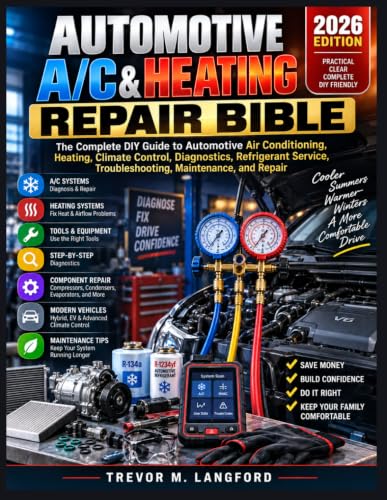
AUTOMOTIVE A/C & HEATING REPAIR BIBLE: The Complete DIY Guide to Automotive Air Conditioning, Heating, Climate Control, Diagnostics, Refrigerant Service, Troubleshooting, Maintenance, and Repair
Check price on Amazon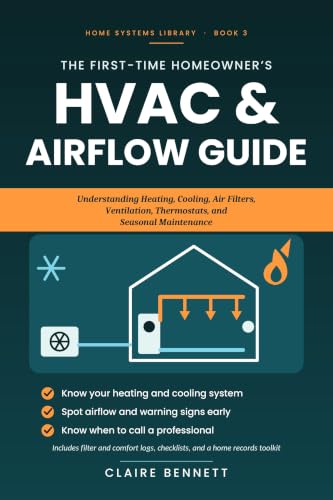
The First-Time Homeowner's HVAC & Airflow Guide: Understanding Heating, Cooling, Air Filters, Ventilation, Thermostats, and Seasonal Maintenance
Check price on Amazon
Water Heater Repair and Maintenance: Tank and Tankless, Electric and Gas: Elements, Thermostats, Anodes, Venting and Fault Diagnosis
Check price on Amazon
ETERART Aluminum Foil Duct Tape, High-Temp Seal for HVAC,2" x 20Yds | Heavy-Duty, Dryer Vents & Insulation, Stops Air Leaks & Resists Extreme Heat for Home Repair, Silver, easy to apply, durable
Check price on Amazon
AYUNCHE Tangle Melt Bond Repair - Air Dry Cream for Damaged Hair, 5 fl.oz. | Alternative with bond repair for dry damaged hair, smooths frizz, adds shine, protects from heat up to 450˚F
Check price on Amazon
HVAC FIELD DIAGNOSTICS: Troubleshooting Air Conditioners, Heat Pumps, and Furnaces with Pressure, Temperature, and Electrical Measurements
Check price on AmazonDisclaimer
Some of the content on this site uses AI assistance. Information is provided for educational purposes only. We are not responsible for any losses resulting from the use of this information. By using this site, you waive any right to bring legal claims against us arising from your use of the information provided. If you do not agree, please do not use this site. Read the full disclaimer.