HVAC Sensors: The Complete Guide
Discover how smart sensors optimize your HVAC system for maximum comfort, efficiency, and indoor air quality. Learn about types, benefits, and integration.
Explore Sensor TypesWhy HVAC Sensors Matter: Modern HVAC systems rely on sensors to deliver precise climate control, reduce energy waste, and maintain healthy indoor environments. Understanding these components helps you make informed decisions for your home or business.
What Are HVAC Sensors?
HVAC sensors are devices that monitor various environmental parameters within a building and provide real-time data to the heating, ventilation, and air conditioning system. They act as the nervous system of your HVAC, enabling it to respond dynamically to changing conditions. By continuously measuring factors like temperature, humidity, occupancy, and air quality, sensors allow your system to operate more efficiently, reduce energy consumption, and maintain consistent comfort levels.
Whether you are looking to upgrade your existing system or building a new smart home, understanding the role of HVAC sensors is crucial. They are the foundation of any modern, energy-efficient climate control strategy, and they work seamlessly with devices like smart thermostats to create a responsive and intelligent environment.
Common Types of HVAC Sensors
Temperature Sensors
Measure the ambient temperature in a space. They are the most common sensor type and are essential for maintaining setpoint temperatures. They work with your thermostat to cycle heating and cooling as needed.
Humidity Sensors
Monitor relative humidity levels. Proper humidity control is vital for comfort and health, preventing mold growth and reducing the load on your AC. They are key for indoor air quality.
Occupancy Sensors
Detect the presence of people in a room. They enable energy-saving strategies by adjusting temperature setpoints or turning off HVAC when spaces are unoccupied, significantly reducing waste.
Air Quality Sensors
Measure pollutants like VOCs, CO2, and particulate matter. These sensors are increasingly important for health and well-being, triggering ventilation or air purification when needed.
Duct Pressure Sensors
Monitor static pressure in air ducts to ensure proper airflow. They help prevent issues like frozen coils or inefficient operation, protecting your HVAC system from damage.
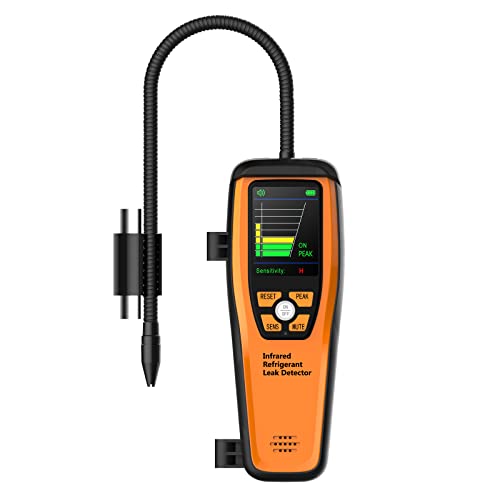
Refrigerant Leak Sensors
Detect the presence of refrigerant gases, alerting you to potential leaks early. This helps protect the environment, ensures system efficiency, and prevents costly repairs.
Key Benefits of Using HVAC Sensors
- Enhanced Energy Efficiency: Sensors allow your HVAC to operate only when needed, reducing unnecessary heating and cooling. This can lead to significant savings on your utility bills.
- Improved Comfort: By providing precise, real-time data, sensors eliminate hot and cold spots, maintaining a consistently comfortable indoor environment.
- Better Indoor Air Quality: Air quality sensors actively monitor pollutants and trigger ventilation, ensuring you breathe cleaner, healthier air. This is a core component of any indoor air quality strategy.
- Predictive Maintenance: Monitoring system performance helps identify issues early, preventing costly breakdowns and extending the lifespan of your equipment.
- Remote Monitoring & Control: When integrated with a smart thermostat, you can monitor and adjust your home's climate from anywhere using your smartphone.
- Eco-Friendly Operation: Reduced energy consumption means a smaller carbon footprint, making your home more sustainable and environmentally friendly.
Integration with Smart Home Systems
HVAC sensors are the building blocks of a smart, connected home. They integrate seamlessly with smart thermostats, home automation hubs, and building management systems. This integration allows for complex automation rules, such as adjusting the temperature based on occupancy, time of day, or outdoor weather conditions. For instance, a system equipped with occupancy sensors can automatically switch to an energy-saving mode when you leave the house, and resume normal operation when you return, all without any manual input.
For businesses, integrating sensors with a Building Management System (BMS) provides granular control over every zone, optimizing energy use across large commercial spaces. This level of control is essential for meeting modern energy efficiency standards and achieving sustainability goals.
How to Choose the Right HVAC Sensors
Selecting the right sensors depends on your specific needs, the type of HVAC system you have, and your budget. Here are some key factors to consider:
- Compatibility: Ensure the sensors are compatible with your existing HVAC equipment and control systems. Check communication protocols like Zigbee, Z-Wave, or Wi-Fi.
- Accuracy & Reliability: Look for sensors with high accuracy and a proven track record for reliability to avoid false readings or system malfunctions.
- Ease of Installation: Some sensors are wireless and easy to install, while others require professional wiring. Choose based on your comfort level and the complexity of the installation.
- Features & Scalability: Consider what features are important to you, such as remote monitoring, data logging, or integration with other smart devices. Also, think about future expansion.
- Budget: Prices can vary widely. While it's tempting to go for the cheapest option, investing in quality sensors can pay off in the long run through energy savings and fewer maintenance issues.
For those embarking on a full HVAC system replacement or upgrade, including modern sensors is a wise investment that maximizes the return on your new equipment. Consulting with HVAC professionals can provide tailored advice for your specific home or business.
Maintaining Your HVAC Sensors
To ensure your sensors continue to operate accurately and reliably, regular maintenance is essential. This includes:
- Regular Cleaning: Dust and dirt can accumulate on sensors, affecting their accuracy. Gently clean them with a soft, dry cloth during routine HVAC maintenance.
- Battery Replacement: For wireless sensors, regularly check and replace batteries as needed to avoid communication failures.
- Software Updates: Keep the sensor's firmware and associated apps updated to ensure optimal performance and security.
- Calibration Checks: Periodically check sensor readings against a known accurate reference to ensure they are still calibrated correctly.
By caring for your sensors, you can extend their lifespan and ensure your HVAC system operates at peak efficiency for years to come. If you encounter issues beyond basic maintenance, it's best to consult a qualified HVAC technician.
Ready to Upgrade Your HVAC System with Sensors? Investing in the right sensors is one of the most effective ways to improve comfort, reduce energy bills, and enhance the indoor environment of your home or business. Below, we have curated a selection of top-rated sensors and smart HVAC accessories available online to help you get started.