HVAC Systems for Homes: The Complete Comfort Guide
A residential HVAC system controls heating, cooling, humidity, and air quality in your home. This guide explains how each component works, how to size a system correctly, and how to choose the right setup for your house before you buy.
Explore the GuideWhat Is a Home HVAC System?
HVAC stands for Heating, Ventilation, and Air Conditioning. A residential HVAC system is the combined equipment and ductwork that keeps indoor temperatures comfortable, circulates fresh air, and filters out dust and pollutants. Instead of treating heating and cooling as separate purchases, a modern approach designs them as one integrated system that shares ducts, controls, and airflow strategy.
Homeowners researching HVAC systems for homes usually fall into one of two groups: those replacing an aging system and those outfitting a new or renovated house. Both need the same core information — how the system works, what capacity is required, and which efficiency level makes sense for the climate and usage pattern. Understanding these fundamentals first prevents oversizing, unnecessary complexity, and premature equipment failure.
Core HVAC Components
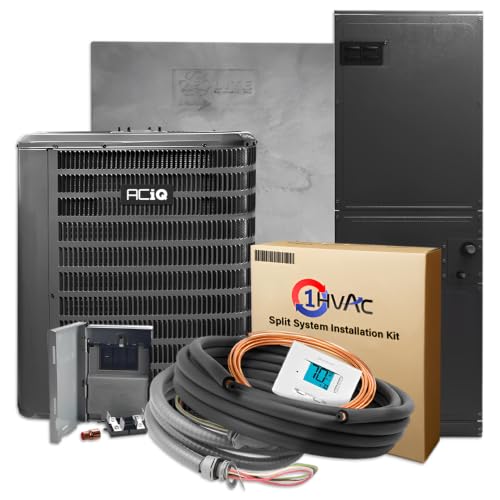
A complete HVAC system is more than a single box outdoors. It is a chain of components that must be matched to work together. The main parts are:
Outdoor Condensing Unit
Houses the compressor and condenser coil. It releases heat absorbed from indoors into the outside air during cooling mode.
Indoor Air Handler or Furnace
Moves air through the duct system. In a split setup this unit contains the evaporator coil and blower, and may also provide heating.
Ductwork & Vents
Distributes conditioned air to each room and returns stale air. Duct design directly affects efficiency and room-to-room balance.
Thermostat & Controls
The command center. A smart thermostat adds scheduling, remote access, and usage insight.
Air Filter
Captures dust, pollen, and debris before air reaches the coil. A clean filter protects the blower and preserves airflow.
Refrigerant Lines
Connect indoor and outdoor units in a split system. Proper line length and insulation matter for performance.
Common HVAC System Types for Homes
Not every house can use the same configuration. Duct availability, climate, floor plan, and budget tier all shape the decision. Below is a comparison of the most common residential options.
| System Type | Best For | Tier | Ductwork |
|---|---|---|---|
| Central Split System | Homes with existing ducts and whole-house comfort needs | Balanced to premium tier | Required |
| Ductless Mini-Split | Homes without ducts, additions, and room-by-room zoning | Entry-level to high-end tier | Not required |
| Packaged Unit | Small homes and properties where indoor equipment space is limited | Essential tier | Required (short runs) |
| Heat Pump System | Mild to moderate climates needing both heating and cooling | Mid-range to premium tier | Required in ducted form |
| High-Velocity Small Duct | Older homes with limited wall or ceiling space | Premium tier | Small-diameter tubing |
Central Split Systems
The most familiar configuration in North American homes. An outdoor condenser pairs with an indoor air handler or furnace, and conditioned air travels through a full duct network. It offers consistent whole-house comfort and supports zoning when dampers are added. Explore HVAC zoning systems if different areas of the home have different comfort needs.
Ductless Mini-Split Systems
A ductless setup places a compact air handler on the wall of each conditioned room and connects it to an outdoor unit. This avoids duct losses entirely and is ideal for homes where installing ductwork is impractical. For tight spaces, small duct high velocity systems are another retrofit-friendly option.
Heat Pump Systems
A heat pump moves heat rather than generating it, so it can cool in summer and heat in winter from the same equipment. In moderate climates it is one of the most efficient choices available. In colder regions, a cold-climate variant is needed to maintain capacity at low outdoor temperatures.
How to Size a Home HVAC System
Sizing is the single most consequential decision in the buying process. An oversized system cools too quickly, cycles on and off repeatedly, and struggles to remove humidity. An undersized system runs constantly and never reaches the target temperature on peak days. Proper HVAC sizing relies on a room-by-room load calculation rather than a rule of thumb based on square footage alone.
A professional load calculation considers:
- Insulation levels in walls, attic, and floors
- Window area, glazing type, and solar orientation
- Air leakage and infiltration rates
- Local design temperatures for summer and winter
- Occupant count and internal heat from appliances
- Duct location and condition
Once the load is known, equipment capacity, airflow in cubic feet per minute, and duct dimensions are selected to match. Skipping this step is the most common reason a new system underperforms despite correct installation.
Efficiency Ratings Explained
Efficiency ratings let you compare equipment on a like-for-like basis. The three you will encounter most often in residential HVAC are:
SEER2
Seasonal cooling efficiency. Higher values indicate less energy used per unit of cooling across a typical season. Entry-level equipment sits near the regulatory minimum; premium tier equipment reaches substantially higher ratings.
EER2
Efficiency at a single peak design condition. Useful in hot climates where cooling demand is intense and sustained rather than seasonal.
HSPF2
Heating seasonal performance for heat pumps. It measures how efficiently the system delivers heat across a heating season.
Higher ratings generally correspond to variable-speed compressors, more advanced controls, and better coil design — features common in mid-range and premium tier equipment. The practical choice depends on climate severity and how many hours per year the system runs. In mild climates, an entry-level or essential tier unit can be a solid choice for the category; in extreme climates, the long-term investment in a high-efficiency model is usually worthwhile.
Ventilation & Air Quality
Comfort is not only about temperature. A well-designed system manages humidity, brings in controlled outdoor air, and filters contaminants. Modern homes are tightly sealed, which improves energy performance but can trap pollutants indoors. Balanced HVAC ventilation addresses this.
- Filtration: A higher-MERV filter captures finer particles but increases airflow resistance. Match filter rating to blower capability.
- Humidity control: Cooling coils remove moisture as a byproduct. In humid climates, dedicated dehumidification may be needed for year-round comfort.
- Fresh air: Mechanical ventilation introduces filtered outdoor air to dilute indoor pollutants.
- Air purification: An HVAC with air purifier integration adds active filtration for allergy-sensitive households.
Maintenance & Longevity
A residential HVAC system is a long-term investment. Routine care protects that investment and keeps efficiency from drifting downward. The essentials:
- Replace or clean filters on a schedule appropriate to occupancy and local dust levels.
- Schedule seasonal tune-ups to check refrigerant charge, electrical connections, and coil cleanliness.
- Keep the outdoor unit clear of leaves, debris, and obstructions that restrict airflow.
- Inspect ductwork for leaks and disconnected runs, especially in attics and crawlspaces.
- Monitor unusual sounds or short cycling and address issues early through HVAC system repair.
When a system approaches the end of its service life, compare repair against replacement carefully. A system inspection can clarify whether the equipment is worth keeping. For guidance on the decision, see HVAC replacement considerations and the general HVAC system buying guide.
Buying Checklist
Before committing to a new system, work through this checklist. It keeps the process structured and avoids decisions driven by pressure or incomplete information.
- Get a room-by-room load calculation. Insist on it before any equipment is proposed.
- Decide on system type. Confirm whether ductwork exists, is in good condition, or whether ductless is the better fit.
- Select efficiency tier consciously. Align SEER2 and HSPF2 targets with climate and expected usage hours.
- Verify component matching. Coil, air handler, and outdoor unit should be a matched combination.
- Review the installation scope. Duct sealing, line set, thermostat, and commissioning should be included.
- Confirm licensing and warranty terms. Ask how registration works and what labor coverage includes.
- Plan maintenance from day one. A service schedule is part of ownership, not an optional extra.
Ready to Compare Home HVAC Options?
Review our recommended residential systems below. Each listing includes key specifications so you can evaluate fit before contacting an installer.
View Recommended SystemsFrequently Asked Questions
How long does a home HVAC system last?
With proper installation and routine maintenance, a residential system typically lasts 12 to 20 years depending on equipment tier, climate, and usage. Heat pumps and central systems in harsh climates generally sit at the lower end of that range.
Is a heat pump suitable for cold climates?
Standard heat pumps lose capacity as outdoor temperatures drop. Cold-climate heat pumps are engineered to maintain heating output at lower temperatures and can be a strong option in many cold regions when sized correctly.
Can I add zoning to an existing system?
Yes, in many cases. Motorized dampers and a zone control panel can be added to an existing ducted system, provided the blower and duct design can handle the reduced airflow of individual zones. An inspection determines feasibility.
What is the difference between a split system and a packaged unit?
A split system separates the outdoor condenser from the indoor air handler. A packaged unit houses all components in a single outdoor cabinet. Packaged units suit smaller homes or properties where indoor equipment space is limited.
How often should ducts be inspected?
Inspect ductwork every few years and after any major renovation. Visible leaks, disconnected joints, and crushed runs are the most common problems and directly reduce system efficiency.
Does a higher SEER2 rating always mean a better system?
Not automatically. Efficiency ratings describe energy performance, not installation quality or sizing accuracy. A well-installed mid-range system will often outperform a poorly installed premium unit in real-world conditions.