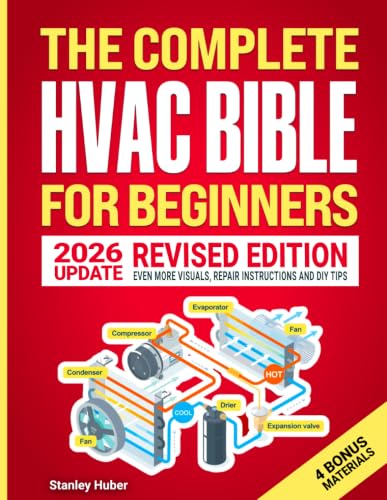
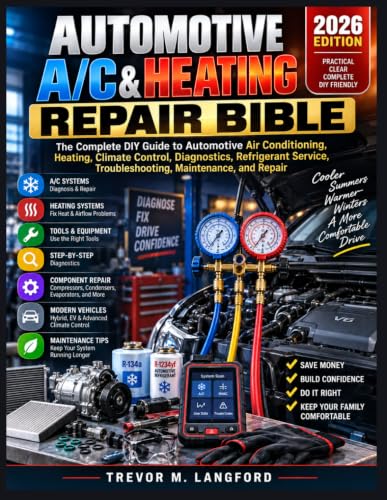
HVAC System Repair: The Complete Guide to Diagnosing and Fixing Your System
Understand common HVAC failures, decide between repair and replacement, and learn how to keep your heating and cooling system running reliably all year round.
START TROUBLESHOOTINGWhy this guide matters: An HVAC system is one of the most important investments in any home. When it breaks down, comfort disappears and energy usage climbs. This guide walks you through the most common HVAC system repair scenarios, helps you understand what a technician actually does, and shows you how to protect your system with preventive maintenance.
Understanding HVAC System Repair
HVAC system repair covers everything from a simple thermostat glitch to a full compressor replacement. Before calling a technician or attempting any troubleshooting, it helps to understand the major components involved: the outdoor condenser unit, the indoor evaporator coil, the air handler or furnace, the ductwork, and the thermostat that ties it all together. When one component fails, the entire system can underperform or shut down entirely.
Modern systems are more complex than ever. Inverter-driven compressors, variable-speed blowers, and smart thermostats all rely on sensitive electronics. That means diagnosis is often as much about reading fault codes and testing control boards as it is about checking refrigerant pressure. If you are researching how to get help, the guide on HVAC system repair is a good starting point, and you can also learn how to find HVAC repair in my area when you are ready to book a visit.
Common HVAC Problems and How to Diagnose Them
Most HVAC system repair calls fall into a handful of categories. Recognizing the symptoms early can save you from a full breakdown and help you describe the problem clearly when you contact a technician.
System Not Cooling or Heating
Check the thermostat batteries and settings first, then inspect the air filter and the circuit breaker. If the outdoor unit is silent, the issue may be a capacitor, contactor, or compressor problem that requires a professional.
Weak Airflow
A clogged filter is the most common culprit. Closed or leaking ductwork, a failing blower motor, or a blocked evaporator coil can also restrict airflow and cause the system to overheat.
Water Leaks and Ice Buildup
A clogged condensate drain line causes water pooling near the indoor unit. Frozen coils usually point to low refrigerant, restricted airflow, or a faulty defrost control.
Unusual Noises
Banging, screeching, or rattling sounds indicate loose components, failing bearings, or debris in the outdoor unit. Ignoring these noises often leads to more extensive repairs.
Frequent Cycling
Short cycling can stem from an oversized system, a dirty filter, a failing thermostat, or refrigerant charge issues. It strains the compressor and shortens equipment life.
Strange Odors
Musty smells suggest mold in the ductwork or evaporator coil. Burning smells are a safety concern and should prompt an immediate shutdown and professional inspection.
Thermostat Unresponsive
Verify power at the air handler, check for tripped breakers, and confirm thermostat wiring is secure. Smart thermostats may need a firmware reset before diagnosing further.
High Energy Consumption
Rising energy use without a change in habits often signals a failing compressor, dirty coils, or a refrigerant leak. A professional HVAC system inspection can pinpoint the cause.
Repair or Replace? A Practical Decision Framework
The most common question homeowners face is whether to repair or replace. There is no single right answer, but the table below summarizes the factors technicians and consultants weigh most heavily.
| Factor | Lean Toward Repair | Lean Toward Replacement |
|---|---|---|
| System Age | Under 8 years old | Over 12–15 years old |
| Repair Frequency | First issue in several years | Two or more major repairs in recent years |
| Nature of the Fault | Capacitor, contactor, thermostat, filter | Compressor, heat exchanger, evaporator coil |
| Efficiency | System meets current efficiency expectations | System is an older low-efficiency tier |
| Comfort | Rooms remain evenly comfortable | Hot and cold spots persist despite repairs |
| Refrigerant Type | Current refrigerant remains serviceable | Legacy refrigerant is being phased out |
If your evaluation points toward replacement, review the options in the HVAC system buying guide and compare configurations using HVAC sizing principles. Many homeowners also explore HVAC replacement cost expectations before committing to a decision.
What a Professional HVAC Repair Visit Involves
Knowing what happens during a service call helps you ask better questions and avoid unnecessary work. A typical visit from a qualified HVAC repair technician follows a structured process:
- Interview and symptom review: The technician asks when the problem started, what sounds or smells you noticed, and whether any recent changes occurred in the home.
- Thermostat and control check: Settings, batteries, wiring, and fault codes are verified before anything else.
- Airflow inspection: Filters, blower assembly, and duct static pressure are evaluated to rule out restriction issues.
- Electrical testing: Capacitors, contactors, relays, and control boards are tested with a multimeter.
- Refrigerant assessment: Superheat and subcooling readings determine whether the charge is correct or a leak exists.
- Mechanical inspection: Compressor, fan motor, bearings, and belts are checked for wear.
- Written findings and options: A reputable technician explains what failed, what it will take to fix it, and whether replacement is a more sensible path.
When you are selecting a provider, compare notes on licensing, insurance, and warranty coverage. Reviews of HVAC service companies and HVAC service providers can help you shortlist reliable options, while guides on HVAC service technicians explain what credentials to look for.
Preventive Maintenance That Prevents Costly Repairs
Most emergency HVAC system repair calls are preventable. A disciplined maintenance routine keeps components clean, pressures stable, and efficiency high. The following tasks should be part of every homeowner's calendar:
- Replace or clean air filters every 1–3 months depending on household conditions.
- Clear debris and vegetation at least two feet around the outdoor condenser.
- Flush the condensate drain line with vinegar at the start of each cooling season.
- Schedule professional HVAC tune-up service before summer and before winter.
- Inspect ductwork for disconnected joints, tears, and excessive leakage.
- Test the thermostat against a separate thermometer to confirm calibration.
- Listen for new noises and note them for the next technician visit.
- Consider a smart thermostat to catch irregular runtime patterns early.
For a deeper routine, explore HVAC unit maintenance and HVAC system cleaning services. If you have not had a check-up in over a year, booking an HVAC system inspection is a smart next step.
When to Call a Professional Instead of DIY
Some tasks are safe for homeowners: changing filters, resetting breakers, cleaning the outdoor unit, and replacing thermostat batteries. Others are dangerous and, in many jurisdictions, legally restricted. Refrigerant handling requires EPA certification, gas line work requires licensing, and electrical panel work should only be performed by a qualified electrician.
Call a professional immediately if you notice burning smells, sparks, repeated breaker trips, refrigerant leaks, or a gas odor near the furnace. For non-emergency situations, use a directory to locate HVAC repair technicians or explore HVAC services in my area. Homeowners who prefer a single point of contact for ongoing care often choose HVAC service agreements that include priority scheduling.
Repair Considerations by HVAC System Type
Different systems fail in different ways, and the repair approach varies. Understanding your system type helps you anticipate what a technician will focus on.
Split Systems
Split systems remain the most common residential configuration. Repair calls typically involve capacitor failures, refrigerant leaks at flare fittings, or blower motor issues. Read more about HVAC split systems and HVAC split units to understand component layout.
Heat Pumps
Heat pumps add reversing valves and defrost controls to the equation. A heat pump that heats poorly in winter but cools well in summer often has a reversing valve or defrost board problem. Installation details are covered in installation of heat pumps and hyper heat mini split resources.
Ductless Mini-Splits
Mini-splits have fewer moving parts but are sensitive to dirty coils and communication errors between indoor and outdoor units. See installation of mini split systems and install a ductless mini split system for context on how these systems are configured.
Residential and Commercial Systems
Residential properties typically use smaller split or packaged systems, while commercial buildings may rely on rooftop units, VFDs, and zoning dampers. Explore HVAC residential and HVAC residential service for home-focused guidance, or HVAC systems for commercial buildings and HVAC unit rooftop for commercial considerations.
Ready to Get Your HVAC System Back on Track?
Browse our recommended HVAC repair tools and maintenance products below, or use our guides to find a qualified technician in your area.
VIEW RECOMMENDED PRODUCTSFrequently Asked Questions About HVAC System Repair
How do I know if my HVAC system needs repair?
Watch for weak airflow, inconsistent room temperatures, unusual noises, strange odors, frequent on-off cycling, and rising energy consumption. Any of these symptoms warrants a professional inspection before the problem escalates.
Should I repair or replace my HVAC system?
Weigh the system's age, repair history, efficiency tier, and comfort performance. Systems under eight years old with an isolated fault are usually worth repairing. Systems over twelve years old with recurring major failures are often better replaced.
How often should HVAC systems be serviced?
Professional maintenance is recommended twice per year — once before the cooling season and once before the heating season. Regular tune-ups catch small issues before they become major repairs.
Can I repair my HVAC system myself?
Safe DIY tasks include replacing filters, resetting breakers, cleaning the outdoor unit, and replacing thermostat batteries. Refrigerant work, gas line repairs, and electrical panel work must be handled by licensed professionals.
What causes an HVAC system to stop cooling?
Common causes include a dirty filter, low refrigerant charge, a failed capacitor, a clogged condensate drain, a faulty thermostat, or a tripped breaker. A technician can isolate the exact cause with diagnostic tools.
How long does a typical HVAC repair take?
Most common repairs — capacitors, contactors, thermostats, and drain clearing — take one to two hours. Compressor replacements and refrigerant leak repairs may require longer visits or a return trip for parts.
Is it worth investing in a maintenance plan?
Yes, for most homeowners. A maintenance plan typically includes two seasonal tune-ups, priority scheduling, and minor discounts on repairs. It is a worthwhile investment that extends equipment lifespan and reduces emergency breakdowns.
How can I verify a technician's credentials?
Ask for the technician's license number, liability insurance certificate, and EPA refrigerant certification. Reputable companies provide these without hesitation and are happy to explain their warranty terms.
Final Thoughts
HVAC system repair is part diagnosis, part prevention, and part knowing when to replace. By understanding the most common failure points, maintaining your system consistently, and working with qualified professionals, you can avoid the majority of emergency breakdowns and keep your home comfortable through every season. For related reading, explore HVAC system fundamentals, HVAC systems for homes, and HVAC technician resources to deepen your knowledge before your next service visit.