HVAC Unit Maintenance: The Complete Guide to a Long-Lasting, Efficient System
Discover how routine HVAC unit maintenance protects your cooling system, lowers energy waste, and prevents unexpected breakdowns. From filter care to professional tune-ups, this guide covers every step a homeowner needs to know.
VIEW MAINTENANCE SCHEDULEWhy HVAC unit maintenance matters: A well-maintained air conditioning system delivers consistent cooling, runs more efficiently, and lasts significantly longer than a neglected one. Most homeowners discover maintenance too late — after a breakdown in the middle of summer. This guide helps you build a proactive maintenance routine that protects your investment and keeps indoor comfort reliable all season long.
What Is HVAC Unit Maintenance?
HVAC unit maintenance refers to the scheduled inspection, cleaning, and adjustment of every component in your heating, ventilation, and air conditioning system. It spans simple tasks a homeowner can perform — such as replacing air filters and clearing debris around the outdoor unit — to professional services like refrigerant level checks, electrical inspections, and coil cleaning performed by a qualified HVAC technician.
Regular maintenance is not a single event. It is an ongoing process that follows the seasons. In spring, the focus is on preparing the cooling system for summer load. In fall, attention shifts to the heating side and to protecting the outdoor condenser from cold weather. A consistent routine prevents small issues — a clogged drain line, a loose electrical connection, a dirty evaporator coil — from developing into system failures that require an HVAC repair technician and disrupt household comfort.
Why Routine HVAC Maintenance Is Essential
Energy Efficiency
A dirty filter or fouled condenser coil forces the system to work harder to reach the set temperature. Regular maintenance keeps airflow unrestricted and heat transfer efficient, so the system uses less energy for the same comfort level.
Longer Equipment Lifespan
Well-maintained systems routinely outlast neglected ones. Lubricated motors, clean coils, and correct refrigerant charge reduce mechanical strain, delaying the day when HVAC replacement becomes unavoidable.
Fewer Breakdowns
Most emergency service calls stem from issues that a routine inspection would have caught — a failing capacitor, a blocked condensate drain, or worn contactors. Preventive checks catch these early.
Better Indoor Air Quality
Clean filters and coils reduce the circulation of dust, pollen, and mold spores. For households with allergy sufferers, maintenance is a direct contributor to healthier indoor air.
Warranty Protection
Many manufacturers require documented annual maintenance to keep the equipment warranty valid. Skipping tune-ups can void coverage on major components such as the compressor.
Consistent Comfort
Balanced airflow and a properly charged system mean even temperatures throughout the home — no hot rooms in summer or cold spots in winter.
Seasonal HVAC Maintenance Schedule
Use the schedule below as a practical framework. Adjust timing to your local climate, but keep the sequence intact: prepare the cooling system before summer, and protect both system and outdoor unit before winter.
| Season | Main Focus | Key Tasks |
|---|---|---|
| Spring | Cooling season preparation | Replace air filter, clean outdoor condenser, check refrigerant lines, schedule professional AC tune-up, test thermostat operation. |
| Summer | Peak-season monitoring | Check filter monthly, clear debris around outdoor unit, monitor condensate drain, listen for unusual noises, watch for ice on indoor coil. |
| Fall | Heating season preparation | Replace filter, inspect furnace or heat pump, clean and test heating components, seal outdoor unit if recommended, schedule professional heating tune-up. |
| Winter | Protection and light checks | Keep outdoor unit clear of snow and ice, verify thermostat schedules, monitor filter condition, watch for unusual heating behavior. |
DIY Maintenance Tasks Every Homeowner Can Do
These tasks require no specialized tools and take only minutes, yet they deliver a measurable impact on system performance and longevity.
- Replace or clean the air filter regularly. This is the single most important maintenance task. A clogged filter restricts airflow, strains the blower motor, and degrades cooling. Check it monthly during heavy use and replace it according to the manufacturer's recommendation. Pleated filters generally capture more particles than basic fiberglass types.
- Keep the outdoor condenser clear. Remove leaves, grass clippings, and debris from around the unit. Maintain at least two feet of clear space on all sides so the fan can move air freely. Gently rinse the condenser fins with a garden hose when they appear dusty.
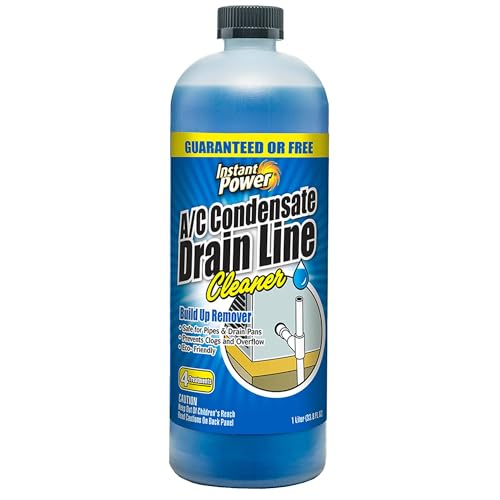
- Inspect and clear the condensate drain. A clogged drain line causes water backups and can trigger a shutdown or water damage. Flush the line periodically with a mixture of water and a small amount of vinegar.
- Check the thermostat. Replace batteries in battery-powered thermostats and verify that schedules match your household routine. Consider upgrading to a smart thermostat for more precise control and automatic scheduling.
- Clean supply and return vents. Dust-covered registers reduce airflow and blow particles into the room. Remove the grilles periodically and wash them in warm, soapy water.
- Listen and observe. Unusual rattling, grinding, or hissing sounds, or ice forming on the indoor coil, are early warning signs. Addressing them promptly avoids larger repairs.
Practical tip: Mark filter replacement dates on a calendar or set a recurring reminder. Homeowners who track filter changes consistently report fewer airflow problems and steadier cooling performance throughout the season.
What a Professional HVAC Tune-Up Includes
An annual professional HVAC tune-up service goes far beyond what a homeowner can accomplish. A qualified technician performs a systematic inspection of the entire system, measuring performance and correcting issues before they escalate. Typical components of a professional visit include:
- Refrigerant charge verification. The technician measures pressures and temperatures to confirm the system holds the correct charge. Undercharged or overcharged systems cool poorly and stress the compressor.
- Evaporator and condenser coil cleaning. Deep cleaning restores heat transfer efficiency. This is especially valuable in homes where the system runs continuously through summer.
- Electrical component inspection. Contactors, capacitors, and wiring connections are checked for wear, corrosion, and loose terminals — common causes of sudden failures.
- Blower motor and belt inspection. Moving parts are lubricated or adjusted as needed, and airflow is measured to confirm the system moves the intended volume of air.
- Condensate system check. The drain pan and line are inspected and flushed to prevent water damage and microbial growth.
- Thermostat calibration and control verification. The technician confirms the thermostat reads accurately and that the system responds correctly to calls for cooling and heating.
- Ductwork and airflow assessment. Visible duct connections are inspected for leaks, and static pressure is measured to identify restrictions that reduce comfort.
If the technician identifies a problem beyond routine maintenance, they will recommend the appropriate repair. Homeowners in need of service can locate qualified providers through directories of HVAC service companies and verified HVAC service providers in their area.
Choosing a Maintenance Approach: Three Tiers
Maintenance plans and service depth vary. The tiers below describe typical levels of engagement so homeowners can match their approach to the age and condition of their equipment.
| Tier | Best For | Typical Scope |
|---|---|---|
| Essential tier | Newer systems under warranty; hands-on homeowners | DIY filter changes, outdoor unit clearing, annual professional inspection focused on core checks. |
| Balanced tier | Mid-age systems in active households | Two professional visits per year (spring and fall), coil cleaning, refrigerant verification, and priority scheduling for service calls. |
| Top-tier | Older or high-value systems; multi-zone homes | Comprehensive seasonal tune-ups, duct inspection, performance benchmarking, and a documented maintenance history for warranty and resale purposes. |
Homeowners evaluating a maintenance plan should compare the scope of each visit, not just the number of visits. A plan that includes coil cleaning and refrigerant checks delivers more long-term protection than one limited to filter changes and visual inspection.
Warning Signs Your HVAC Unit Needs Attention
Even with a maintenance routine in place, systems can develop issues. Watch for these signals and respond promptly:
- Weak or uneven airflow. Often points to a clogged filter, blocked duct, or failing blower.
- Warm air from vents during cooling mode. May indicate low refrigerant, a compressor issue, or a thermostat fault.
- Ice on the indoor coil or refrigerant lines. A sign of restricted airflow or low charge — turn the system off and call a technician.
- Water around the indoor unit. Usually a blocked condensate drain or a frozen coil that is melting.
- Unusual odors. Musty smells suggest microbial growth in the system or ductwork; burning smells require immediate shutdown and inspection.
- Frequent cycling. Short run cycles can indicate an oversized system, a thermostat problem, or refrigerant issues.
- Rising energy consumption without lifestyle changes. A common early indicator of declining system efficiency.
When warning signs appear, a prompt HVAC system inspection prevents small faults from becoming major failures. Homeowners who prefer to delegate all maintenance to a professional can arrange recurring visits through local HVAC service technicians.
How Maintenance Extends Equipment Life
Every component in an HVAC system wears gradually. Bearings lose lubrication, coils accumulate grime, electrical contacts pit and corrode, and refrigerant lines develop slow leaks. Maintenance interrupts this wear cycle at each stage. Clean coils mean the compressor runs at lower head pressure. Lubricated motors draw less current and generate less heat. Correct refrigerant charge prevents the compressor from overheating. Tight electrical connections avoid arcing and premature component failure.
The cumulative effect is significant. A system that receives consistent seasonal maintenance typically remains in service years longer than an identical system that receives attention only when it breaks. For homeowners approaching the end of equipment life, maintenance records also provide valuable context when evaluating whether to repair or pursue HVAC replacement.
Airflow and Ductwork: The Hidden Half of Maintenance
Maintenance is not limited to the equipment itself. The duct system distributes cooled air throughout the home, and its condition directly affects comfort and efficiency. Leaky ducts in unconditioned spaces — attics, crawlspaces, garages — waste a substantial share of the cooling the system produces. Visible gaps at joints, disconnected sections, and crushed flexible duct should be sealed or repaired.
Homeowners with persistent hot rooms or high static pressure readings may benefit from a professional duct assessment. In some homes, particularly older properties with undersized ducts, a small-duct high-velocity system offers a solution that fits within existing wall cavities. For homes with multiple zones, a zoning system installation can balance airflow and reduce the burden on a single thermostat location.
Frequently Asked Questions About HVAC Unit Maintenance
How often should an HVAC unit be serviced?
Most manufacturers and industry professionals recommend professional service twice per year — once in spring before the cooling season and once in fall before the heating season. Homes in climates with heavy year-round cooling or heating demand may benefit from additional inspections.
Can I perform HVAC maintenance myself?
Yes, for the homeowner-safe tasks: filter replacement, outdoor unit clearing, vent cleaning, and condensate drain flushing. Tasks involving refrigerant, electrical components, and gas connections should always be handled by a licensed professional.
How frequently should air filters be replaced?
Every one to three months is typical. Homes with pets, allergy sufferers, or heavy occupancy should follow the shorter interval. A visibly gray or clogged filter should be replaced immediately regardless of schedule.
Does maintenance really improve energy efficiency?
Yes. Clean filters and coils, correct refrigerant charge, and properly functioning electrical components all reduce the energy required to deliver the same cooling. The improvement is most noticeable in systems that had accumulated significant dirt or were operating with a low charge.
What happens if I skip maintenance?
Neglected systems lose efficiency, experience more frequent breakdowns, and wear out sooner. Skipping maintenance can also void manufacturer warranties that require documented annual service. Small issues caught during a tune-up are far less disruptive than failures discovered mid-season.
Is a maintenance plan necessary?
Not mandatory, but useful for homeowners who prefer scheduled, documented service. A plan simplifies reminders, often includes priority scheduling, and creates a service history that supports warranty claims and informs future repair-or-replace decisions.