In Duct Air Purifier: Complete Guide to Cleaner Indoor Air
Discover how an in duct air purifier works with your HVAC system to reduce dust, pollen, pet dander, and odors — and learn how to choose, install, and maintain the right unit for your home.
Start LearningWhat Is an In Duct Air Purifier?
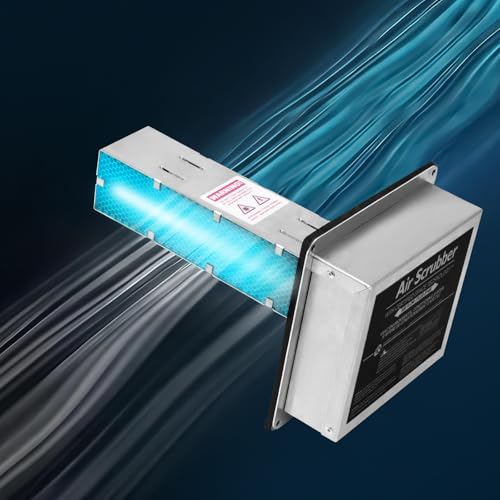
An in duct air purifier is a purification device installed directly inside the ductwork of a forced-air heating, ventilation, and air conditioning (HVAC) system. Unlike portable air purifiers that treat a single room, an in duct unit treats the air as it travels through your ducts — meaning it can influence air quality across every room connected to the same system.
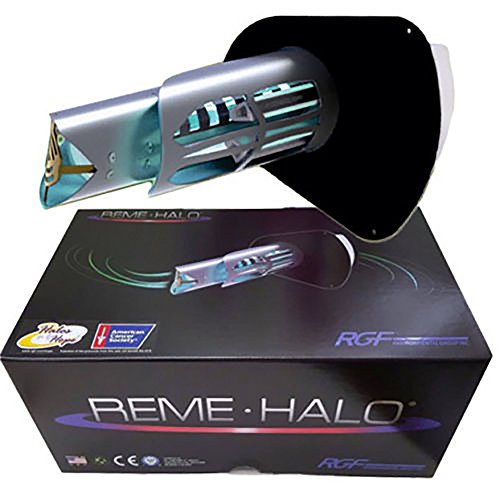
These units are typically mounted in the return air duct or the supply plenum, depending on the technology and the manufacturer's instructions. As air moves through the duct, it passes through filters, electrostatic cells, UV chambers, or photocatalytic modules designed to capture or neutralize airborne contaminants.
Homeowners often explore in duct purification when they want whole-home air quality improvement without placing standalone units in every room. If you are also considering how purification integrates with a broader system upgrade, our guide to an HVAC with air purifier explains how purification components fit into a complete HVAC setup.
Quick definition: An in duct air purifier is an inline purification component that works with your central HVAC system to treat air as it circulates through the ductwork — not a standalone room appliance.
How It Works with Your HVAC System
To understand how an in duct purifier functions, it helps to picture the air path of a typical forced-air system:
- Return air is drawn from rooms through return grilles and travels back toward the air handler or furnace.
- Filtration usually begins at the main filter, which captures larger particles before they reach sensitive components.
- Purification stage: the in duct air purifier is mounted in the duct run or plenum, where it applies additional filtration, electrostatic precipitation, UV treatment, or photocatalytic oxidation.
- Conditioned air is then pushed through the supply ducts and distributed to living spaces.
Because the purifier operates continuously whenever the blower runs, it treats a large volume of air over time. This whole-home approach can be more consistent than moving a portable purifier from room to room. However, performance depends heavily on proper sizing, duct sealing, and the unit's specific filtration efficiency.
If you are evaluating the full system rather than just the purifier, understanding your system layout is important. Resources on HVAC system fundamentals and HVAC ventilation system design can help you see where a purifier fits into the overall airflow path.
Key Benefits for Your Home
An in duct air purifier offers several practical advantages for homeowners who want cleaner indoor air without relying solely on portable units:
- Whole-home coverage: One installed unit treats air that circulates through multiple rooms, rather than a single zone.
- Reduced airborne particles: Depending on the technology, it can capture dust, pollen, pet dander, and some smoke particles.
- Odor reduction: Carbon-based or photocatalytic stages can help reduce cooking odors, pet odors, and some volatile organic compounds (VOCs).
- Out-of-sight operation: The unit is installed inside the ductwork, so it does not take up floor or counter space.
- Integration with existing equipment: It works with your existing blower and duct system rather than requiring separate room-by-room equipment.
- Potential relief for allergy sufferers: By reducing airborne irritants, some households report fewer allergy-like symptoms — though results vary by home and individual.
For households already investing in air quality improvements, pairing an in duct purifier with humidity control can be valuable. Our guide to ideal humidity for your home explains why moisture balance matters alongside particle filtration.
Types of In Duct Air Purifiers
Not all in duct purifiers use the same technology. Each type has different strengths, maintenance needs, and installation considerations. Below are the most common categories available for residential systems.
1. Media Filter Purifiers (High-Efficiency Pleated Filters)
These units use a high-efficiency pleated media filter — often rated MERV 11 to MERV 16 — mounted in a dedicated duct cabinet. They capture particles such as dust, pollen, mold spores, and pet dander. They are typically the simplest to maintain: the filter is replaced on a schedule.
Best for: homeowners seeking reliable particle filtration with straightforward maintenance.
2. Electrostatic Precipitators
Electrostatic units charge particles as they pass through an ionization section, then collect them on oppositely charged plates. Many models include washable collection cells, which reduces filter replacement frequency. They can capture very fine particles, but require regular cleaning to maintain efficiency.
Best for: households that want strong fine-particle capture and are comfortable with periodic cleaning.
3. UV-C Air Purifiers
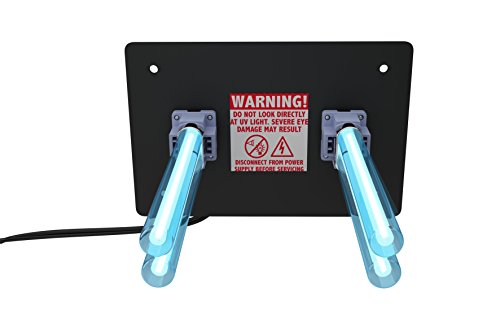
UV-C purifiers use ultraviolet light to neutralize microorganisms such as bacteria, mold spores, and viruses that pass through the duct. They are often used as a complementary stage alongside filtration, because UV light does not physically remove particles — it neutralizes them.
Best for: homes concerned about microbial growth in the duct system or air handler.
4. Photocatalytic Oxidation (PCO) Purifiers
PCO units combine UV light with a catalyst to break down certain volatile organic compounds and odors. They can be effective for gas-phase pollutants, but performance varies by model and residence time. They are usually paired with a particle filter.
Best for: households dealing with odors or VOCs who also have particle filtration in place.
5. Carbon and Gas-Phase Filters
Activated carbon media targets odors, smoke, and certain chemical vapors. These are often integrated as a secondary stage in a media filter cabinet or as a standalone inline module.
Best for: homes with persistent cooking odors, pet odors, or mild chemical vapors.
Technology Comparison Table
The table below compares the main in duct purifier technologies by category, typical maintenance, and best use case. It uses universal tier descriptors rather than any figures.
| Technology | Primary Target | Typical Maintenance | Tier | Best For |
|---|---|---|---|---|
| Media Filter | Particles (dust, pollen, dander) | Replace filter every 1–3 months | Essential tier | Whole-home particle reduction |
| Electrostatic Precipitator | Fine particles | Wash collection cells regularly | Mid-tier | Fine-particle capture with washable cells |
| UV-C Purifier | Microorganisms | Replace lamp per manufacturer schedule | Balanced tier | Microbial control in ducts and air handler |
| Photocatalytic (PCO) | Odors and VOCs | Replace catalyst and lamp per schedule | High-end tier | Gas-phase pollutant reduction |
| Carbon / Gas-Phase | Odors, smoke, chemical vapors | Replace carbon media per schedule | Essential tier | Odor and vapor reduction |
How to Choose the Right In Duct Air Purifier
Choosing the right unit is about matching the purifier to your duct system, your air quality concerns, and your maintenance preferences. Consider the following factors:
Start with Particle Filtration
If your primary concern is dust, pollen, and pet dander, a high-efficiency media filter cabinet is often the most straightforward and reliable starting point. It is well-specified for the category and easy to maintain.
Add Electrostatic Capture
Electrostatic precipitators offer strong fine-particle capture and washable cells. They are a solid choice for the tier when maintenance routines are established and you want to reduce filter replacement frequency.
Combine Stages for Comprehensive Treatment
Combining media filtration with UV-C or PCO stages can address particles and microorganisms or odors together. These configurations are feature-rich for the class and suit households with multiple air quality concerns.
Target Odors with Carbon
If cooking or pet odors are the main issue, a carbon gas-phase stage can deliver good value for its tier, especially when paired with a particle filter upstream.
Beyond technology type, keep these practical factors in mind:
- Duct size and airflow: The unit must fit the duct dimensions and not restrict airflow beyond the system's design limits. Proper sizing is part of overall HVAC sizing and should be verified by a professional.
- Static pressure impact: High-efficiency filters can increase resistance. A qualified technician should evaluate whether your blower can handle the added pressure drop.
- Maintenance access: Choose a location that allows filter or cell access without dismantling ductwork.
- Compatibility: Confirm the unit is compatible with your air handler, furnace, and duct material.
- Certifications: Look for models with recognized performance certifications where available.
If you are unsure about your system's capacity or layout, consulting HVAC specialists is the safest path. They can assess ductwork, airflow, and the right purifier placement for your home.
Installation Requirements
In duct air purifiers are not plug-and-play devices. Correct installation matters for both performance and safety. Key requirements typically include:
- Professional assessment: A technician evaluates duct dimensions, airflow direction, and available space before selecting a mounting location.
- Duct modification: Many units require cutting into the duct or installing a dedicated filter cabinet. This must be sealed properly to prevent air leaks.
- Electrical connection: Powered units (UV, electrostatic, PCO) require a safe electrical connection, often via a dedicated circuit or a connection to the air handler's power supply.
- Airflow verification: After installation, static pressure and airflow should be checked to confirm the system still performs within design parameters.
- Sealing and insulation: All penetrations should be sealed and, where relevant, insulated to prevent condensation and energy loss.
For homeowners planning a broader system upgrade, understanding HVAC system installation best practices helps set expectations for how the purifier integrates with the rest of the equipment. If your existing ductwork is aging or leaky, sealing it first can improve purifier effectiveness.
Important: Installing an in duct purifier without checking system static pressure can reduce airflow, raise energy use, and affect comfort. Always have a qualified technician verify compatibility before installation.
Maintenance and Filter Care
Regular maintenance keeps an in duct purifier operating efficiently. The exact schedule depends on the technology, but general best practices include:
- Media filters: Check every one to three months. Replace when visibly loaded or according to manufacturer guidance. Homes with pets or high dust may need more frequent changes.
- Electrostatic cells: Wash according to the manufacturer's instructions, typically every few weeks to a few months, and dry completely before reinstalling.
- UV lamps: Replace at the recommended interval — UV output declines over time even if the lamp still appears lit.
- PCO catalysts: Follow the manufacturer's replacement schedule; catalysts can degrade over time.
- Carbon media: Replace when odors return or at the manufacturer's recommended interval.
Routine maintenance of the HVAC system itself also supports purifier performance. Our guide to HVAC unit maintenance covers broader upkeep tasks, and HVAC tune-up service explanations can help you plan professional service visits.
Limitations to Understand
While an in duct air purifier is a valuable component of a healthy home, it is not a magic solution. Be aware of these limitations:
- It depends on the HVAC system running: Most in duct purifiers only treat air when the blower is operating. If the system is off, purification pauses unless the unit is designed for continuous operation.
- Duct leakage reduces effectiveness: If ducts leak, treated air may escape before reaching living spaces. Sealing ducts is an important prerequisite.
- Not a substitute for source control: Reducing dust, fixing leaks, and controlling moisture are still essential for indoor air quality.
- Performance varies by technology: A basic media filter does not neutralize gases or odors; a UV unit does not capture particles. Choose based on your specific concerns.
- Professional guidance matters: Incorrect sizing or installation can reduce benefits or affect HVAC performance.
If you are dealing with high humidity alongside air quality concerns, a dehumidifier may also be worth exploring. Our resource on whether you need a dehumidifier in your house explains signs that moisture control should be part of your overall strategy.
Ready to Explore In Duct Air Purifier Options?
Understanding the technology is the first step. When you are ready to compare features and find a unit that fits your HVAC system, our curated product section can help you explore available options.
Explore OptionsFrequently Asked Questions
An in duct air purifier is a filtration or purification device installed inside the ductwork of a central HVAC system. It treats the air as it circulates through the ducts, helping remove particles, odors, and in some models, pathogens before the air is distributed throughout the home.
Most in duct air purifiers are designed to work with standard forced-air HVAC systems. However, compatibility depends on duct size, airflow direction, and the type of purifier. Always check the manufacturer's specifications and consult an HVAC professional before installation.
Replacement or cleaning intervals vary by model and filter type. Many pleated media filters should be checked every one to three months, while washable or electronic components may need cleaning according to the manufacturer's schedule. Homes with pets or high dust levels often require more frequent attention.
In duct air purifiers can reduce airborne particles such as dust, pollen, and pet dander that pass through the HVAC system. This may help reduce allergy symptoms for some people, but results depend on the purifier's filtration efficiency, system airflow, and the home's overall air quality profile.
Yes, professional installation is strongly recommended. The unit must be correctly sized, securely mounted in the ductwork, wired safely, and integrated with the HVAC system. Improper installation can reduce performance, cause air leaks, or affect system pressure.
For more guidance on system upkeep and choosing service professionals, explore our resources on HVAC service and HVAC technician qualifications. A well-maintained system is the foundation for effective air purification.