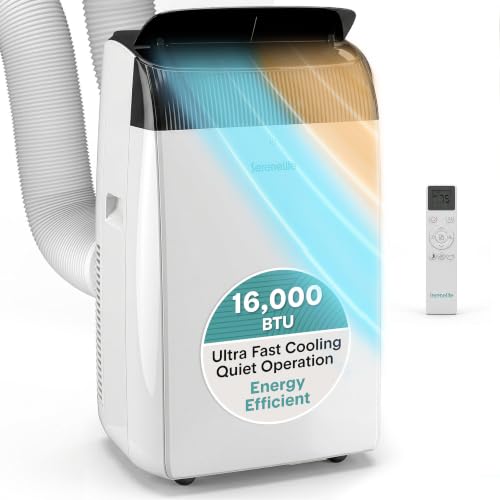
Inverter Portable Air Conditioner with Heat: The Complete Guide
Everything you need to know about portable inverter units that cool and warm — how the technology works, who benefits most, and how to select the right model for your space.
Start ReadingWhat Is an Inverter Portable Air Conditioner with Heat?
An inverter portable air conditioner with heat is a freestanding cooling appliance that combines two technologies: a variable-speed inverter compressor and a reversible heat pump cycle. Unlike a traditional portable AC that only cools, this class of unit can reverse its refrigerant flow to deliver warm air during cooler months. That dual capability makes it a genuinely year-round solution for rooms where installing a fixed system is impractical.
These units sit on casters, require only a venting path to the outdoors, and plug into a standard household circuit. The inverter component is what separates them from conventional portable ACs. Instead of cycling the compressor fully on and off, an inverter compressor modulates its speed continuously, which smooths out temperature swings and reduces the energy spikes associated with hard starts. For a deeper look at this core technology, see our guide on inverter compressor portable air conditioners.
The heat-pump function is not an auxiliary electric resistance heater. It moves thermal energy rather than generating it from scratch, which is why it can be notably more efficient than a simple space heater for the same room. If you are exploring the broader category, our overview of the inverter portable air conditioner with heat concept provides useful context on how these systems fit into a home's overall climate strategy.
Why Inverter Technology Matters
Fixed-speed compressors have one job: run at full power or stop. That binary behavior produces the familiar room-AC pattern of cooling past the setpoint, shutting off, letting the room warm back up, and restarting with a noticeable surge. An inverter compressor removes that cycle by adjusting its rotational speed to match the current load. The practical results are meaningful for everyday comfort:
Stable Temperature
Because output scales smoothly, the room stays closer to the target setting instead of oscillating around it.
Quieter Operation
Lower compressor speeds during partial-load conditions translate to less mechanical noise in the room.
Efficient in the Long Run
Reduced start-stop cycling and gentler modulation typically lower energy use over extended sessions.
For buyers comparing architectures, the trade-offs between inverter and fixed-speed portable designs are covered in detail in our article on inverter air conditioning units. The short version: inverter models are generally the better long-term investment for rooms used regularly, while fixed-speed units remain a simpler entry-level option for occasional use.
The Heat Pump Mode Explained
In cooling mode, the unit absorbs heat from indoor air and releases it outdoors through the exhaust hose. In heating mode, a reversing valve flips the refrigerant flow so the indoor coil becomes the condenser: it releases heat into the room while the outdoor side absorbs ambient energy. This is the same principle used by full-size heat pumps, scaled down into a portable chassis.
That distinction matters because a heat pump moves existing thermal energy rather than converting electricity directly into heat the way a resistance coil does. In moderate to cool conditions, it can deliver more useful warmth per unit of electricity consumed. The limitation is cold-weather performance: as outdoor temperatures drop significantly, available ambient heat shrinks and heating output falls. A portable heat pump is therefore best understood as a supplemental comfort device, not a replacement for a central furnace in a harsh winter climate. For a broader treatment of reversible systems, see our material on inverter heater and air conditioner combinations.
Important: Portable heat pumps are designed for spot heating and cooling of the room they occupy. They are not a substitute for a properly sized whole-home HVAC system, and most manufacturers specify an operating range below which heating mode becomes ineffective.
Key Benefits at a Glance
Buyers researching this category usually arrive with a specific room in mind — a converted garage, a home office, a bedroom in an older house without ductwork, or a rental where permanent modifications are not an option. The appeal of an inverter portable AC with heat is that it addresses several of those constraints at once:
- Year-round use from one appliance: Cooling in summer and supplemental warmth in the shoulder seasons or mild winters.
- No permanent installation: No wall cutting, no refrigerant lines, no contractor visit — just a vent path and a power outlet.
- Room-specific control: You condition only the space you are using, which is sensible when the rest of the home is unoccupied.
- Mobility: Casters let you move the unit between rooms as needs change.
- Inverter efficiency: Smoother compressor modulation reduces wasted energy compared with fixed-speed cycling.
If your situation involves an older property, our guide on installing air conditioning in a house without ducts pairs well with this discussion, since portable units are one of the few viable options in that scenario.
Specifications That Matter
When comparing models, a handful of specifications carry most of the decision weight. The table below summarizes what to look at and why each one matters, without reference to any commercial figures.
| Specification | Why It Matters | What to Look For |
|---|---|---|
| Cooling capacity (BTU) | Determines whether the unit can handle the room's heat load. | Match capacity to room size and sun exposure; oversizing wastes energy, undersizing underperforms. |
| Heating capacity (BTU) | Indicates supplemental warmth output in heat-pump mode. | Note that heating capacity is often lower than cooling capacity on the same unit. |
| Inverter compressor | Enables variable-speed modulation and steadier temperatures. | Confirm the compressor type explicitly; not all portable units labeled "with heat" use inverter technology. |
| Hose configuration | Affects pressure balance and efficiency. | Dual-hose designs generally maintain more consistent performance than single-hose designs. |
| Noise level (dB) | Directly impacts usability in bedrooms and offices. | Lower decibel ratings matter for sleeping spaces; check the compressor and fan ratings separately. |
| Drainage method | Affects maintenance effort. | Self-evaporative systems reduce manual emptying; humid climates may still require a drain hose. |
| Operating temperature range | Defines when heating mode remains effective. | Check the manufacturer's stated minimum outdoor temperature for heat mode. |
For readers who want to cross-shop against fixed installations, our comparison of inverter dual-hose portable air conditioners explains how hose design influences real-world performance.
Market Tiers and What They Offer
Rather than thinking in commercial terms, it helps to understand where a given model sits in the market and what that positioning usually implies about build quality and feature depth. The three-tier framing below is a practical shorthand for that comparison.
Entry-Level Tier
Basic single-hose designs with essential cooling and heating modes. Suitable for occasional use in small rooms, with simpler controls and fewer convenience features. Solid choice for the tier if the unit will not run continuously.
Mid-Range Tier
Dual-hose configurations, better insulation, quieter fans, and programmable or app-based controls are common. Inverter compressors appear more consistently here. A balanced tier for regular daily use in a primary room.
Top-Tier
Refined inverter modulation, premium materials, low noise ratings, advanced humidity management, and robust warranty terms. Feature-rich for its class and intended for buyers who prioritize comfort and long-term durability.
A well-specified mid-range model is often the sweet spot: it captures the inverter efficiency and dual-hose advantages that define the category without the extras that only matter in niche situations. Buyers with a dedicated year-round room, such as a home office or a sunroom, tend to gravitate toward the higher tier for acoustic reasons alone.
Placement and Venting Tips
Portable units are forgiving but not indifferent to placement. A few practical rules improve both cooling and heating performance:
- Keep the exhaust short and straight. Long, kinked hoses reduce airflow and efficiency. Insulated hoses help limit heat gain or loss along the run.
- Seal the window or door opening. The included panel kits exist for a reason; gaps let conditioned air escape and undermine the unit's work.
- Leave breathing room. Give the unit clearance on all sides so intake and exhaust are unobstructed.
- Mind the drain. In humid conditions, plan where condensate will go, whether through a hose or a self-evaporative system.
- Consider sun exposure. A unit in direct afternoon sun works harder; shading the room, not just the unit, helps.
If your only available opening is a sliding door or a non-standard window, our articles on installing a portable AC unit in a casement window and installing a portable air conditioner without a window cover the workarounds in detail.
Who Should Choose One?
This category fits a specific set of situations well. It is a strong match for renters who cannot modify the property, homeowners with rooms that ductwork never reached, and anyone who needs a single appliance to bridge both warm and cool seasons in a limited zone. It is also a pragmatic choice for converted spaces such as garages, attics, or basement offices where extending a central system would be disruptive.
It is a weaker match for large open-plan areas, for whole-home conditioning, or for very cold climates where a heat pump's heating output will not keep pace. Buyers in those situations are usually better served by a fixed system; our overview of inverter air conditioners can help frame that comparison.
Single-Hose vs Dual-Hose Comparison
| Aspect | Single-Hose | Dual-Hose |
|---|---|---|
| Pressure effect | Draws some room air for condenser cooling, creating slight negative pressure. | Separates intake and exhaust, largely avoiding negative pressure. |
| Efficiency consistency | Can vary more as outdoor conditions change. | Generally maintains steadier performance. |
| Setup complexity | Simpler, one hose to route. | Slightly more involved, two hoses to manage. |
| Best fit | Occasional use, smaller rooms, simpler setups. | Regular use, larger rooms, buyers prioritizing efficiency. |
Frequently Asked Questions
What is an inverter portable air conditioner with heat?
It is a portable cooling unit that uses inverter compressor technology for variable-speed operation and includes a heat pump mode, allowing it to both cool and warm a room year-round from a single movable appliance.
How does an inverter compressor improve efficiency?
An inverter compressor adjusts its speed continuously instead of switching fully on and off. This steady modulation reduces energy spikes, maintains a more stable temperature, and typically uses less power over long operating periods compared with fixed-speed compressors.
Does a portable AC with heat replace a full heating system?
No. A portable heat pump is best suited as a supplemental or zone-specific solution. It warms the room it sits in and should not be relied upon as a primary whole-home heating system, particularly in very cold climates.
Can I use a portable heat pump in a room without a window?
Portable units need to exhaust air. Without a standard window, you may need specialized venting through a wall opening, a door panel kit, or a sliding door. Some models support alternative venting accessories, but a vent path is always required.
What is the difference between a single-hose and dual-hose portable unit?
Single-hose units draw some room air to cool the condenser and exhaust it outdoors, which can create slight negative pressure. Dual-hose units separate intake and exhaust, reducing that effect and generally maintaining more consistent cooling efficiency.
Final Thoughts
An inverter portable air conditioner with heat is a practical answer to a common problem: rooms that need comfort across seasons but cannot accommodate a fixed system. The inverter compressor delivers steadier, quieter, and more efficient operation, while the heat pump mode extends the unit's usefulness beyond summer. The key is to match the model to the room, respect its venting requirements, and treat it as a targeted solution rather than a whole-home replacement. With those expectations set, it is one of the more flexible comfort investments available for renters, older homes, and converted spaces.
For readers continuing their research, our related guides on inverter window air conditioners with heat and mini-split air conditioners with heat pumps cover adjacent options that may suit different room layouts.