Mini Split 12,000 BTU: The Complete Buyer's Guide
Discover whether a 12,000 BTU ductless mini split is the right fit for your space. Learn about room sizing, efficiency ratings, installation requirements, and how to choose the best model for your home.
START WITH SIZINGQuick answer: A mini split 12,000 BTU system is designed to cool (and often heat) a room of roughly 450 to 550 square feet. It is one of the most popular capacities in the ductless market because it fits many bedrooms, living rooms, and small open-plan areas while remaining highly energy efficient when paired with inverter technology.
What Is a 12,000 BTU Mini Split?
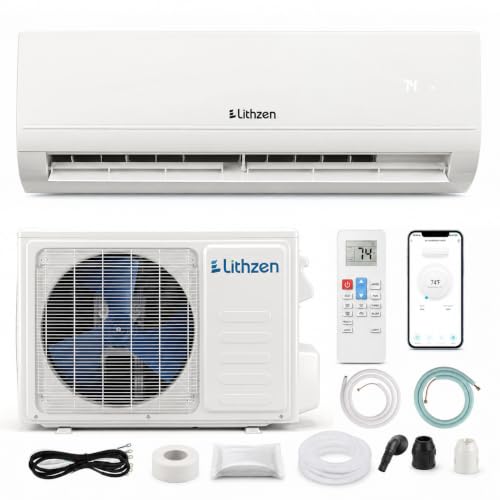
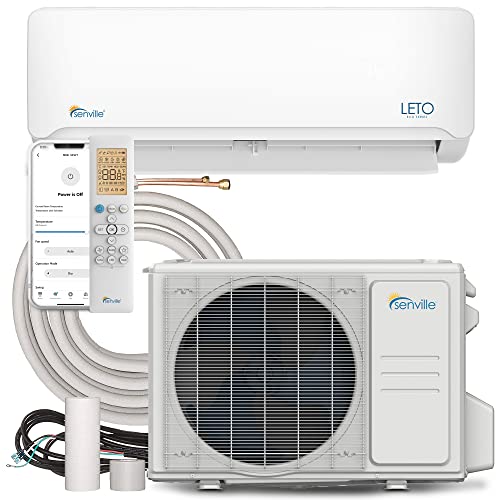
A mini split is a ductless air conditioning system that consists of two main components: an indoor air handler and an outdoor condenser. Unlike central systems, a mini split does not rely on a network of ductwork. Instead, refrigerant lines connect the indoor and outdoor units through a small wall opening, allowing conditioned air to be delivered directly into the room.
The "12,000 BTU" specification refers to the cooling capacity of the system. BTU stands for British Thermal Unit, and it measures how much heat the unit can remove from a space in one hour. A 12,000 BTU mini split falls in the middle of the residential ductless range, making it a versatile option for single-room and small-space cooling.
Many 12,000 BTU models are also heat pumps, meaning they can reverse the refrigerant cycle to provide heating in cooler months. These dual-purpose systems are especially useful for rooms without existing ductwork, additions, and older homes. If you are still comparing system formats, our broader guide to a mini split air conditioning unit explains how ductless systems compare to window and central alternatives.
Is 12,000 BTU the Right Capacity for Your Room?
Sizing is the single most important decision when selecting a mini split. An undersized unit will struggle to reach the desired temperature on hot days, while an oversized unit will cool too quickly, cycle on and off frequently, and fail to remove humidity properly. Both scenarios waste energy and reduce comfort.
As a general rule, a 12,000 BTU mini split is appropriate for a room of about 450 to 550 square feet. However, this estimate assumes standard ceiling height (around 8 feet), average insulation, and a moderate climate. Real-world sizing should account for several adjustment factors:
- Ceiling height: Rooms with ceilings above 8 feet require additional capacity.
- Window area and sun exposure: Large south-facing windows or heavy sun exposure increase the load.
- Insulation quality: Poorly insulated rooms lose capacity faster.
- Occupancy: Rooms with frequent foot traffic or multiple occupants need more cooling.
- Heat-generating appliances: Kitchens, home offices with equipment, and rooms with electronics carry a higher load.
- Climate: Hotter, more humid climates push the required capacity upward.
For a more precise estimate, use a room-by-room BTU calculator or perform a Manual J load calculation. These methods account for the full envelope of the space rather than a simple square-foot rule. If your room is closer to 600 square feet or sits in a harsh climate, consider stepping up to a 15,000 to 18,000 BTU unit instead. You can also review our guide to a mini split AC unit for 500 square feet for a narrower capacity discussion.
Mini Split 12,000 BTU Market Tiers
Ductless mini splits at the 12,000 BTU capacity are available across a wide range of positions in the market. To make comparison easier without relying on numeric pricing, here is a consistent tier framework used throughout this guide:
Entry-Level Tier
Basic single-zone systems with fixed or single-speed compressors. Suitable for occasional use in mild climates. Simpler controls and fewer operating modes.
Mid-Range Tier
Inverter-driven models with variable-speed compressors, better SEER2 ratings, and quieter operation. A balanced choice for most residential rooms.
Premium Tier
High-efficiency inverter systems with advanced filtration, smart controls, low-ambient heating performance, and refined build quality for year-round use.
As a general rule, mid-range and premium tier units use inverter compressors that modulate speed instead of cycling fully on and off. This results in more stable temperatures, lower humidity swings, and better energy performance over time. Entry-level tier units can still be a reasonable fit for a seasonal room or a space where the system is not run continuously.
Efficiency Ratings Explained
Efficiency is a major factor in the long-term performance of any 12,000 BTU mini split. Two ratings matter most:
- SEER2: The seasonal energy efficiency ratio for cooling. Higher numbers indicate better cooling efficiency. Baseline models typically sit around 15, while premium inverter units reach the low-to-mid 20s.
- HSPF2: The heating seasonal performance factor, relevant only for heat pump models. Higher values indicate more efficient heating.
If you plan to run the system heavily during summer, prioritizing a higher SEER2 rating is a smart move. For year-round heating and cooling, pay attention to HSPF2 as well. Our overview of energy-efficient mini split air conditioners explains how these ratings translate into real operating behavior. You can also read the general explanation of what a SEER rating is for background.
12,000 BTU Mini Split at a Glance
| Category | Typical Specification | Best For |
|---|---|---|
| Cooling capacity | 12,000 BTU per hour | Rooms up to ~550 sq ft |
| Recommended room size | 450 – 550 sq ft (standard conditions) | Bedrooms, living rooms, home offices |
| Voltage options | 115V or 230V depending on model | 115V for plug-in convenience; 230V for efficiency |
| Compressor type | Inverter (mid-range and premium) or fixed-speed (entry-level) | Inverter for continuous comfort |
| SEER2 range | ~15 (baseline) to low-to-mid 20s (premium) | Higher rating for heavy use |
| Heating capability | Heat pump models available | Year-round climate control |
| Zones supported | Single zone (most common); multi-zone heads possible | One room per indoor head |
Installation Considerations
Installing a mini split is more involved than setting up a window unit. A 12,000 BTU system requires mounting the indoor air handler, positioning the outdoor condenser, running refrigerant lines, and ensuring proper drainage. While some experienced DIYers attempt installation, most homeowners hire a licensed HVAC technician to handle refrigerant charging, vacuuming, and electrical connections.
Key installation factors include:
- Indoor unit placement: High on a wall with clearance for airflow and access to the refrigerant line path.
- Outdoor unit placement: Shaded, level, and with adequate ventilation clearance.
- Line set length: Keep refrigerant lines within the manufacturer's recommended maximum length to preserve efficiency.
- Electrical supply: Confirm whether the unit requires a dedicated 115V or 230V circuit and match the breaker accordingly.
- Condensate drainage: Ensure a downward slope for the drain line to avoid water backup.
For a step-by-step walkthrough, see the guide on installing a mini split. If your home lacks existing ductwork and you are weighing options, the article on installing air conditioning in a house without ducts provides useful context. Homeowners in very cold climates should also review low ambient mini splits to ensure heating performance holds up in winter.
Features Worth Prioritizing
Beyond capacity and efficiency, several features influence day-to-day satisfaction with a 12,000 BTU mini split:
- Inverter compressor: Modulates speed for steadier temperatures and quieter operation.
- Heat pump capability: Adds heating for year-round use; look for a mini split air conditioner with heat pump if heating matters.
- Wi-Fi and smart controls: Scheduling and remote control improve convenience and energy management.
- Filtration: Washable filters are standard, but some units add multi-stage or anti-allergen filtration.
- Dehumidification mode: Useful in humid climates; see mini split air conditioner with dehumidifier for models that emphasize moisture removal.
- Low noise operation: Indoor sound levels in the low 20s to 30s (dB) are common on premium units.
- Self-cleaning or dry mode: Helps reduce moisture buildup inside the indoor coil.
For multi-room planning, a mini split AC system with multiple indoor heads can serve several zones from one outdoor condenser, though each zone's capacity should be sized independently.
Common Mistakes to Avoid
- Oversizing for the room: A larger unit is not automatically better. Oversized systems short-cycle and leave humidity behind.
- Ignoring the electrical requirement: Confirm the voltage and amperage before installation to avoid rewiring surprises.
- Skipping the load calculation: Square footage alone is a starting point, not a final answer.
- Placing the indoor head poorly: Direct airflow onto seating areas or blocked by furniture reduces comfort.
- Neglecting maintenance: Clogged filters and dirty coils reduce efficiency and can lead to water leaks. Review maintenance for HVAC systems for a seasonal checklist.
- Choosing by tier alone: A premium-tier unit with the wrong capacity will underperform a well-sized mid-range model.
Frequently Asked Questions
What size room does a 12,000 BTU mini split cool?
A 12,000 BTU mini split is generally sized for a room of about 450 to 550 square feet, depending on ceiling height, insulation, window area, and local climate.
Is a 12,000 BTU mini split enough for a living room?
For a typical living room up to roughly 550 square feet with standard ceiling height, a 12,000 BTU mini split is a solid match. Larger open-plan spaces or rooms with heavy sun exposure may need a higher-capacity unit.
How many amps does a 12,000 BTU mini split use?
Most 12,000 BTU ductless mini splits operate on 115V or 230V circuits. The 115V models typically draw around 10 to 12 amps, while 230V models draw roughly 5 to 6 amps. Always confirm the electrical requirements on the unit's specification label.
Can a 12,000 BTU mini split heat as well as cool?
Yes. Many 12,000 BTU mini splits are heat pumps that provide both cooling and heating. Heat pump models are rated with an HSPF value for heating efficiency in addition to a SEER rating for cooling.
What SEER rating should I look for in a 12,000 BTU mini split?
Look for a SEER2 rating of at least 15 for baseline efficiency, while premium inverter models often reach the low-to-mid 20s. Higher SEER2 ratings generally mean lower energy use over the life of the unit.
Ready to Compare 12,000 BTU Mini Splits?
Review the recommended models below to compare features, efficiency ratings, and system tiers side by side. Each listing opens directly to the product page for detailed specifications.
VIEW RECOMMENDED MODELS