Mini Split Heat Pump for 1000 Square Feet: Complete Guide
Everything you need to know about sizing, zoning, efficiency, and choosing a ductless heat pump that delivers year-round comfort across 1,000 square feet — without guesswork.
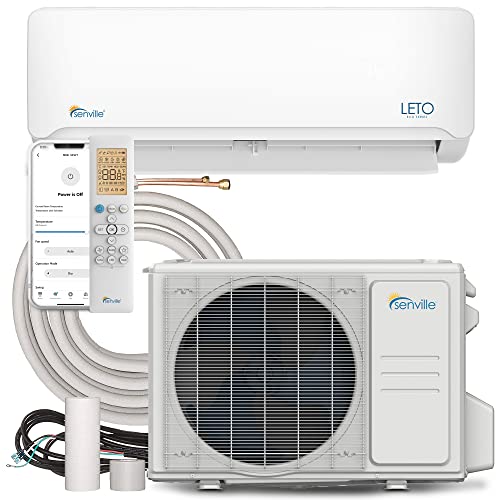
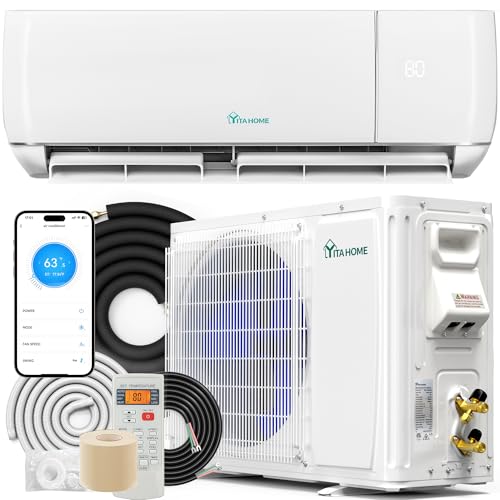
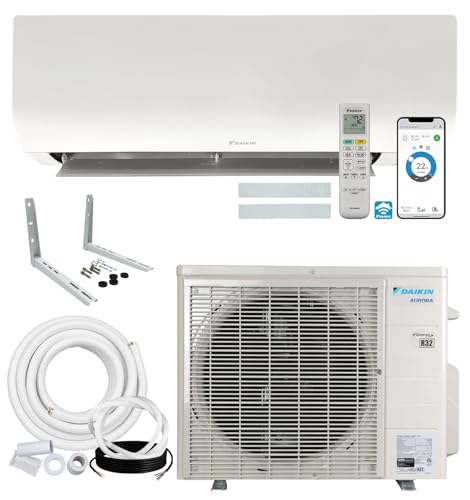
Start With SizingQuick summary: A 1,000 square foot space typically needs 18,000 to 24,000 BTU of total heating and cooling capacity. Open-plan layouts usually suit a single-zone system, while divided floor plans benefit from a multi-zone mini split setup. Modern cold-climate models deliver efficient heating even in freezing conditions, making a mini split heat pump a viable year-round solution.
Why 1,000 Square Feet Is a Popular Mini Split Size
1,000 square feet is one of the most common targets for ductless heat pump shoppers. It is large enough to cover a two-bedroom apartment, a small ranch home, a finished basement, or an open-plan living and dining area — yet compact enough that a single high-capacity wall unit can sometimes handle the whole space. This makes the 1,000 square foot category a natural entry point for homeowners moving away from window units or supplementing an aging central system.
The challenge is that 1,000 square feet can mean very different things: a wide-open loft behaves nothing like three closed bedrooms off a hallway. That is why sizing by square footage alone is only a starting point. The shape of the space, ceiling height, insulation quality, window area, and local climate all shift the final capacity requirement. A properly sized mini split heating and cooling system balances all of these factors rather than relying on a single number.
How Much Capacity Does a 1,000 Sq Ft Heat Pump Need?
As a general rule, plan for roughly 18 to 24 BTU per square foot for cooling, which translates to a total of 18,000–24,000 BTU for 1,000 square feet. Heating demand is often slightly higher, especially in colder regions, so choose a model whose heating capacity at design temperature still meets your needs.
Use the table below as a starting reference, then confirm with a professional load calculation for accuracy.
| Scenario | Suggested Total Capacity | Typical Configuration | Best For |
|---|---|---|---|
| Well-insulated, mild climate, open plan | 18,000 BTU | Single-zone wall unit | Studios, lofts, open living areas |
| Average insulation, mixed climate | 20,000–24,000 BTU | Single-zone high-capacity or dual-zone | Small homes, two-room layouts |
| Divided floor plan, multiple rooms | 24,000–30,000 BTU total | Multi-zone with 2–3 heads | Two-bedroom apartments, townhomes |
| Cold climate or poor insulation | 24,000–30,000 BTU+ | Cold-climate multi-zone or dual system | Northern homes, converted basements |
Oversizing is a common mistake. A system that is too large will short-cycle, which reduces dehumidification, increases wear, and makes temperatures feel uneven. Undersizing leads to constant operation and poor comfort on peak days. The sweet spot is a system that runs long, steady cycles at moderate output. Our guide on how to size an air conditioner walks through the full calculation method if you want to go deeper.
Single-Zone vs Multi-Zone for 1,000 Square Feet
The right zoning strategy depends on how air moves through your space. Here is how the two approaches compare in practice:
Single-Zone System
One outdoor unit paired with one indoor head. Ideal for open-plan layouts where air circulates freely. Simpler to install, fewer components to maintain, and typically more straightforward to operate. Best when the 1,000 sq ft is essentially one continuous space.
Multi-Zone System
One outdoor unit connected to two or more indoor heads, each controlling its own room. Better for divided floor plans with bedrooms, offices, or closed-off areas. Allows independent temperature settings and improves comfort in spaces that do not share airflow. Learn more about multi-zone mini split systems.
If your 1,000 square feet includes two or three distinct rooms with doors, a multi-zone setup usually delivers noticeably better comfort. If it is one large open area, a single high-capacity ductless mini split is often the cleaner solution. Some homeowners also consider a mini split to supplement central air conditioning in specific zones rather than replacing the whole system.
Efficiency Ratings That Matter
Efficiency is where mini split heat pumps separate themselves from older systems. Two ratings do most of the work in your decision:
- SEER2 — cooling efficiency. Higher is better. Look for models in the high teens or low twenties for strong performance within their class.
- HSPF2 — heating efficiency. Especially important if you plan to use the heat pump as a primary heat source through winter.
Inverter-driven compressors are standard on quality mini splits today, and they are a major reason these systems modulate smoothly instead of switching on and off. Our explainer on mini split with inverter technology covers how this works in plain language. For a broader comparison of efficiency metrics, see our overview of SEER ratings and HSPF ratings.
Cold-Climate Performance
Modern cold-climate mini split heat pumps maintain strong heating output well below freezing. If you live in a region with harsh winters, prioritize models explicitly rated for low-ambient operation and check the heating capacity at your design temperature — not just the nominal rating. A system that claims 24,000 BTU may deliver meaningfully less at 5°F, so the cold-climate specification matters more than the headline number.
For homes with existing ductwork, it is also worth understanding how a mini split compares with ducted alternatives. Our comparison of ductless vs ducted AC covers the trade-offs, and our overview of ductless heating and cooling explains how these systems operate year-round.
Installation Considerations for 1,000 Sq Ft
Installation quality determines how well a mini split performs, regardless of the equipment tier. Key items to plan for:
- Indoor head placement — high on an exterior wall, clear of obstructions, with airflow directed into the living space. Our guide on mini split heads explains placement principles.
- Outdoor unit location — shaded, well-ventilated, and mounted on a solid surface. A mini split pad or wall bracket keeps the unit stable and clear of snow or debris.
- Line set routing — shorter runs reduce losses and simplify installation. Our article on mini split line sets covers length and routing basics.
- Electrical — most 18,000–24,000 BTU systems require a dedicated 240V circuit. Confirm panel capacity before installation.
- Permits — many jurisdictions require a permit for refrigerant work and electrical connections.
If you prefer professional installation, our overview of mini split installation services outlines what to expect, and our guide on finding mini split installers in my area helps you vet contractors. For confident DIYers, there are also mini split DIY options, though refrigerant handling remains regulated.
Choosing the Right Tier for Your Needs
Rather than thinking in numbers, think in tiers. Each tier delivers a different balance of features, build quality, and long-term efficiency:
| Tier | Best For | Key Characteristics |
|---|---|---|
| Essential tier | Basic cooling in mild climates | Reliable operation, standard efficiency, straightforward features |
| Balanced tier | Year-round heating and cooling | Inverter compressor, solid efficiency, Wi-Fi control, good value for its tier |
| Premium tier | Cold climates and primary heating | Cold-climate rated, high SEER2 and HSPF2, quiet operation, advanced controls |
| Top-tier / flagship | Whole-home comfort and maximum efficiency | Highest efficiency, multi-zone flexibility, premium build, smart integration |
For most 1,000 square foot applications, the balanced tier offers the strongest overall fit: it covers both seasons, includes modern inverter technology, and remains well-specified for the category. Premium and flagship tiers make sense when the heat pump is the primary heating source or when quiet operation and advanced zoning are priorities.
Maintenance Tips for Long-Term Performance
A mini split heat pump rewards regular care with consistent efficiency and a longer service life:
- Clean or replace filters every 4–8 weeks during heavy use.
- Keep the outdoor unit clear of leaves, snow, and debris.
- Schedule a professional checkup annually to verify refrigerant charge and coil condition.
- Use a programmable or smart thermostat to reduce unnecessary runtime.
For a broader seasonal routine, see our AC maintenance guide and seasonal AC checklist. If you ever notice reduced performance, our article on AC not cooling covers common causes and fixes.
Frequently Asked Questions
What size mini split heat pump do I need for 1000 square feet?
For 1000 square feet, a total capacity of roughly 18,000 to 24,000 BTU is typical. In average climates with standard insulation, 18,000 BTU often suffices, while colder climates or poorly insulated spaces may need 24,000 BTU or more. A proper load calculation is always recommended.
Is a single-zone or multi-zone mini split better for 1000 square feet?
A single-zone system works well for open-plan layouts where air can circulate freely. Multi-zone systems are better for 1000 square feet divided into separate rooms, allowing independent temperature control and improved comfort.
Can a mini split heat pump heat a 1000 square foot home in winter?
Yes. Modern cold-climate mini split heat pumps operate efficiently at temperatures well below freezing. Look for models rated for low-ambient operation and check the HSPF2 rating for heating efficiency.
How many indoor heads do I need for 1000 square feet?
If the space is open-plan, one high-capacity head may be enough. For two or three separate rooms, two or three heads — each sized for its room — generally deliver better comfort and efficiency than a single unit trying to push air through doorways.
Does a mini split heat pump replace both an AC and a furnace?
In many climates, yes. A heat pump provides both cooling and heating, which can replace a separate AC and furnace. In very cold climates, some homeowners keep a backup heat source for extreme cold snaps.
Ready to Compare Mini Split Heat Pumps?
Explore top-tier options and find the configuration that fits your 1,000 square foot space.
View Recommended Models