Ductless Mini Split AC: The Complete Guide
Everything you need to know about ductless mini split air conditioners — how they work, how to size them, installation options, maintenance, and how to choose the right system for your home or office.
START LEARNINGWhy ductless mini splits matter: Traditional central air systems rely on ductwork that can lose 20–30% of cooled air through leaks and poor insulation. A ductless mini split delivers conditioned air directly into the room it serves, offering room-by-room control, high energy efficiency, and installation flexibility — especially for homes without existing ducts.
What's in This Guide
- What Is a Ductless Mini Split AC?
- How Ductless Mini Split Systems Work
- Types of Ductless Mini Split Systems
- How to Size a Mini Split for Your Space
- Efficiency Ratings Explained
- Pros and Cons of Ductless Cooling
- Installation Process and Considerations
- Maintenance Tips for Longevity
- Buying Checklist
- Frequently Asked Questions
What Is a Ductless Mini Split AC?
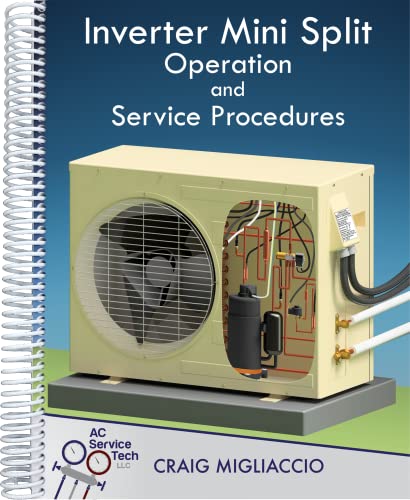
A ductless mini split AC is an air conditioning system composed of two main components: an outdoor compressor/condenser unit and one or more indoor air-handling units (often called "heads"). The two are connected by a narrow conduit that carries refrigerant lines, electrical wiring, and condensate drainage. Because there is no ductwork, the system cools and heats spaces by delivering conditioned air directly into each room.
Ductless mini splits are available as cooling-only units or as heat pumps that provide both cooling and heating. They are among the most energy-efficient HVAC options available today, and they are especially well suited for:
- Homes without existing ductwork, such as older homes or historic properties
- Room additions, sunrooms, and converted garages
- Multi-zone temperature control in larger homes
- Apartments and condos where central air is impractical
- Offices, server rooms, and other commercial spaces
If you're exploring the broader category, see our full guide to mini split heat pumps and mini split units to understand how ductless systems fit into the wider HVAC landscape.
How Ductless Mini Split Systems Work
A ductless mini split operates on the same refrigeration cycle as a central air conditioner, but without the duct distribution network. Here's the process in simple terms:
- Refrigerant absorption: Inside the indoor unit, warm indoor air is drawn across an evaporator coil. The refrigerant inside the coil absorbs heat from the air, cooling it before it is blown back into the room.
- Heat transport: The warmed refrigerant travels through the line set to the outdoor unit.
- Heat release: In the outdoor condenser, the refrigerant releases the absorbed heat to the outside air and returns to a liquid state.
- Cycle repeats: The refrigerant flows back indoors through the expansion valve, and the cycle continues.
In heating mode (for heat pump models), the system reverses the cycle using a reversing valve. The outdoor coil absorbs heat from the outside air — even in cold temperatures — and moves it indoors to warm the space.
Because there are no ducts, there is no duct leakage. This is one reason ductless mini splits are often more efficient than central systems. For a deeper technical breakdown, see mini split heating and air conditioning systems.
Types of Ductless Mini Split Systems
Ductless mini splits come in several configurations, each suited to different spaces and installation scenarios. Understanding these options will help you choose the right system for your home.
Single-Zone Mini Split
A single-zone system pairs one outdoor unit with one indoor head. It is the most common configuration for cooling or heating a single room or open area. Single-zone systems are straightforward to install and are ideal for bedrooms, living rooms, home offices, and additions.
Multi-Zone Mini Split
Multi-zone systems connect one outdoor unit to two or more indoor heads, each serving a different room or zone. This allows independent temperature control in each space. Multi-zone systems are popular in larger homes where different rooms have different comfort needs. Explore multi-zone mini split options and multi-zone ductless AC for more details.
Indoor Unit Styles
Indoor heads come in several form factors:
Wall-Mounted Heads
The most common and versatile style, mounted high on a wall. Ideal for most rooms.
Ceiling Cassettes
Recessed into the ceiling for a clean, unobtrusive look. Great for larger open areas.
Floor-Mounted Units
Installed low on a wall or floor. Useful for rooms with limited wall space or sloped ceilings.
Ducted Mini Splits
Connect to short duct runs for hidden installation and multi-room distribution from one head.
For more on indoor unit options, see mini split heads and mini split cassettes.
How to Size a Mini Split for Your Space
Correct sizing is critical for comfort and efficiency. An undersized unit will struggle to keep up on hot days, while an oversized unit will short-cycle, leading to uneven cooling and excess humidity. The general rule is about 20 BTU per square foot of living space, but several factors can adjust this figure.
| Room Size (sq ft) | Recommended Capacity (BTU) | Typical Use Case |
|---|---|---|
| Up to 200 | 6,000 – 8,000 | Small bedroom, studio |
| 200 – 400 | 9,000 – 12,000 | Medium bedroom, home office |
| 400 – 600 | 12,000 – 18,000 | Living room, large bedroom |
| 600 – 1,000 | 18,000 – 24,000 | Open living area, small apartment |
| 1,000 – 1,500 | 24,000 – 36,000 | Large open space, multi-room zone |
Additional factors that may require a larger capacity include high ceilings, large windows or poor insulation, direct sun exposure, and hot climates. If you're sizing for a specific space, see our guides for 400 sq ft, 500 sq ft, and 1,000 sq ft spaces.
Efficiency Ratings Explained
Ductless mini splits are among the most efficient HVAC systems on the market. When comparing models, look at these key metrics:
- SEER / SEER2: Seasonal Energy Efficiency Ratio — measures cooling efficiency over a season. Higher is better. Modern ductless mini splits often reach SEER2 ratings in the 20s or higher.
- EER / EER2: Energy Efficiency Ratio — measures efficiency at a specific peak temperature. Useful for comparing performance in hot climates.
- HSPF / HSPF2: Heating Seasonal Performance Factor — measures heating efficiency for heat pump models.
- Inverter technology: Inverter-driven compressors vary their speed to match demand, avoiding the on/off cycling of conventional compressors. This is a major reason ductless mini splits are so efficient. See our guide to mini split with inverter.
For a broader comparison, see most energy efficient mini split air conditioner.
Pros and Cons of Ductless Cooling
Advantages
- No ductwork required — ideal for retrofits and older homes
- High energy efficiency with no duct losses
- Room-by-room zoning and independent temperature control
- Quiet operation compared to central systems
- Both cooling and heating in one system (heat pump models)
- Faster, less invasive installation than central AC
- Improved indoor air quality with multi-stage filtration
Considerations
- Higher upfront investment than window or portable units
- Visible indoor heads on walls or ceilings
- Each zone requires its own head and line set
- Professional installation is strongly recommended
- Regular filter cleaning is essential for performance
- Condensate drainage must be managed properly
Installation Process and Considerations
Proper installation is the single most important factor in the performance and longevity of a ductless mini split. While some DIY-oriented kits exist (see mini split DIY), most homeowners should work with a licensed HVAC professional. A typical installation involves:
- Site assessment: Choosing the best locations for indoor and outdoor units, considering airflow, sun exposure, and line set routing.
- Mounting: Securing the indoor head to the wall or ceiling and the outdoor unit on a pad, bracket, or stand. See mini split pad, mini split wall bracket, and mini split stand.
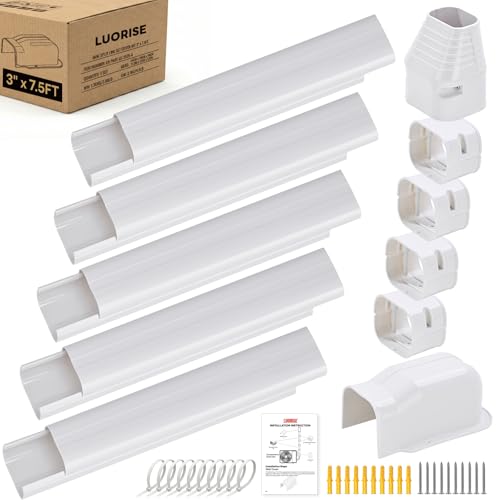
- Line set routing: Running the refrigerant lines, electrical wiring, and condensate drain through a small hole in the wall. The mini split line set length and routing affect performance.
- Vacuum and charge: Evacuating the lines and releasing refrigerant according to manufacturer specifications.
- Testing and commissioning: Verifying airflow, temperature differential, and system operation.
Professional installation services are widely available. See mini split installation services and mini split installers in my area. For a full overview, visit mini split heating and cooling installation.
Maintenance Tips for Longevity
Regular maintenance keeps your ductless mini split running efficiently and extends its lifespan. Key tasks include:
- Clean or replace filters every 2–4 weeks during peak use. Clogged filters reduce airflow and efficiency.
- Clean the indoor coil and blower annually, or more often in dusty environments.
- Inspect and clear the condensate drain to prevent water backups and mold growth.
- Clean the outdoor condenser coil and remove debris from around the unit.
- Schedule professional service annually to check refrigerant levels, electrical connections, and overall performance.
For related topics, see mini split compressor replacement if you suspect compressor issues, and mini split remote thermostat for smart control options.
Buying Checklist
Before purchasing a ductless mini split, work through this checklist to ensure you choose the right system:
- Determine your zones: How many rooms or areas need independent control? This determines single-zone vs. multi-zone.
- Calculate capacity: Use the 20 BTU per square foot rule, adjusted for ceiling height, insulation, and climate.
- Decide on heating needs: If you need heating, choose a heat pump model with a suitable HSPF2 rating for your climate.
- Check efficiency ratings: Look for SEER2 ratings appropriate for your region and energy goals.
- Choose indoor head styles: Wall-mounted, ceiling cassette, floor-mounted, or ducted — based on room layout and aesthetics.
- Plan installation: Confirm line set routing, outdoor unit placement, and electrical requirements. See mini split heating and air conditioning units for more on matching components.
- Consider smart features: Wi-Fi control, remote thermostats, and scheduling can improve comfort and efficiency.
For additional options, explore mini splits for sale and mini split heating and cooling systems.
Frequently Asked Questions
What is a ductless mini split AC?
A ductless mini split AC is an air conditioning system that consists of an outdoor compressor/condenser unit and one or more indoor air-handling units, connected by a narrow conduit. It cools spaces without requiring ductwork, making it ideal for homes without existing ducts or for room-by-room temperature control.
How many BTU do I need for a ductless mini split?
As a general rule, you need about 20 BTU per square foot of living space. A 400 square foot room typically needs a 9,000 BTU unit, while a 1,000 square foot area may need 18,000 to 24,000 BTU. Factors like ceiling height, insulation, window area, and climate also affect the calculation.
Can a ductless mini split both heat and cool?
Yes, many ductless mini split systems are heat pumps that provide both cooling and heating. In heating mode, the system reverses the refrigerant cycle to extract heat from outdoor air and move it indoors, even in cold climates.
How long does a ductless mini split last?
A well-maintained ductless mini split system typically lasts 15 to 20 years. Regular filter cleaning, annual professional inspections, and proper installation significantly extend the lifespan of both indoor and outdoor units.