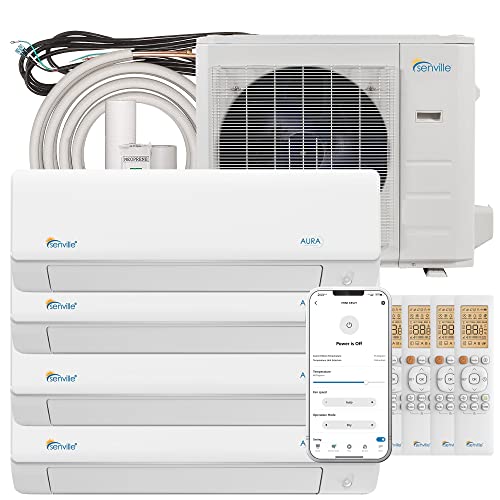
Multi Zone Mini Split System: Complete Comfort Guide
Learn how a multi zone mini split system delivers personalized heating and cooling to every room, slashing energy waste and eliminating ductwork headaches.
START LEARNINGWhat Is a Multi Zone Mini Split System?
A multi zone mini split system is a ductless HVAC setup where a single outdoor compressor connects to two or more indoor air handlers — often called mini split heads — each installed in a separate room or zone. Unlike a traditional central air conditioner that pushes conditioned air through a network of ducts, a multi zone mini split delivers cooled or heated air directly into each space through its own wall-mounted, ceiling, or floor unit.
This design gives you independent temperature control for every zone. You can cool the bedroom while keeping the home office at a milder setting, or heat the living room without touching the empty guest room. For households with varied schedules or rooms that are hard to cool with a single-zone system, a multi zone mini split is often the smartest upgrade.
Key takeaway: A multi zone mini split system replaces bulky ductwork with slim refrigerant lines, letting you condition only the rooms you actually use. That targeted approach translates to meaningful energy savings over the life of the equipment.
How a Multi Zone System Works
At its core, a multi zone mini split operates on the same refrigeration cycle as any air conditioner, but the architecture is different. Here is the flow:
- One outdoor condenser: Houses the compressor and condenser coil. It is sized to handle the combined load of all connected indoor zones.
- Multiple indoor air handlers: Each zone gets its own evaporator coil, blower fan, and filter. These units are connected to the outdoor unit via a mini split line set.
- Branch boxes or multi-port valves: A distribution component splits refrigerant flow to each indoor head, allowing each zone to run independently.
- Individual thermostats: Each zone has its own remote or mini split wall thermostat, so occupants set their own comfort level.
Because each indoor unit has its own metering device, the system can modulate refrigerant flow per zone. When only one room calls for cooling, the compressor ramps down to match that single load rather than running at full capacity. This partial-load operation is one reason multi zone systems can be remarkably efficient when used thoughtfully.
Inverter Technology and Zoned Comfort
Most modern multi zone systems use inverter-driven compressors. A mini split with inverter technology varies compressor speed continuously instead of cycling on and off. Combined with zone control, this means the system can maintain stable temperatures with fewer energy spikes. If you are comparing options, look closely at how each manufacturer implements inverter modulation across multiple zones — it directly affects part-load efficiency.
Types of Multi Zone Mini Split Configurations
Not all multi zone systems are built the same. The configuration you choose depends on your home layout, how many rooms you need to condition, and whether you want heating as well as cooling.
Dual Zone, Tri Zone, and Quad Zone Systems
Systems are commonly classified by the number of indoor heads they support. A multi zone mini split heating and cooling setup might be configured as a dual zone (two rooms), tri zone (three rooms), or quad zone (four rooms). Some outdoor units support up to five or even eight zones, though efficiency and complexity trade-offs grow with each additional branch.
Wall-Mounted vs. Ceiling Cassette Indoor Units
The most common indoor head is the wall-mounted unit, which is compact and easy to install on a high wall. For rooms with drop ceilings or spaces where wall space is limited, a mini split heat pump with ceiling cassette distributes air in multiple directions from a flush-mounted ceiling panel. There are also mini split cassettes that fit into standard ceiling grids, and ceiling cassette units with branch duct that can serve small adjacent spaces from a single cassette.
Heat Pump vs. Cooling-Only
A mini split heat pump can reverse the refrigerant cycle to provide heating in winter. If you live in a climate with cold winters, choosing a multi zone mini split heating and cooling model with heat pump capability gives you year-round comfort from one system. Cooling-only multi zone setups are less common today but still exist for warm climates where heating is never needed.
Multi Zone Mini Split vs. Other Cooling Options
To help you see where a multi zone system fits, here is a comparison across common alternatives:
| System Type | Best For | Zone Control | Ductwork Needed | Tier Positioning |
|---|---|---|---|---|
| Multi Zone Mini Split | Homes with multiple distinct rooms, no existing ducts | Individual per room | None | Mid-tier to premium |
| Single Zone Mini Split | One large open space or a single room | Single zone only | None | Entry-level to mid-range |
| Central AC with Zoning | Homes with existing ductwork and multiple rooms | Ducted dampers per zone | Required | Premium to luxury |
| Window AC Units | Individual rooms, temporary or starter setups | Per unit only | None | Entry-level |
| Portable AC Units | Renters or spaces without permanent installation | Per unit only | None | Essential tier |
If you already have central air but find certain rooms uncomfortable, a mini split to supplement central air conditioning can serve as a targeted fix for problem areas. This hybrid approach is often more practical than re-engineering an entire duct system.
How to Size a Multi Zone Mini Split System
Sizing a multi zone system is not as simple as adding up the square footage of each room and picking a matching outdoor unit. You need to account for how many zones will run simultaneously, the load each room places on the system, and how the outdoor unit modulates when only one zone is active.
Load Calculation Basics
Each zone needs its own load estimate based on square footage, ceiling height, window area, insulation quality, and local climate. For reference, a well-insulated 400-square-foot room might need roughly 9,000 to 12,000 BTU of cooling capacity, while a 500-square-foot space could call for 12,000 to 15,000 BTU. These are rules of thumb — a proper Manual J load calculation is always more accurate. You can explore room-specific guidance for a mini split heat pump for 400 sq ft, a mini split heat pump for 500 sq ft, and a mini split heat pump for 1000 square feet.
Simultaneous Operation and Diversity Factor
Multi zone outdoor units are rated for a total connected capacity that may exceed the compressor's nominal output. Manufacturers account for the fact that not all zones run at full tilt simultaneously. This is called a diversity factor. However, if you routinely run every zone at maximum, the system may struggle to keep up. When sizing, be honest about how you will use the system: if all bedrooms cool at night and the living area cools during the day, a diversity-friendly configuration works well. If every zone runs at peak at the same time, size up.
Zone Count and Outdoor Unit Capacity
As a starting point, a two-zone system might pair a 18,000 to 24,000 BTU outdoor unit with indoor heads rated around 9,000 to 12,000 BTU each. A four-zone system might use a 36,000 BTU outdoor unit with four 9,000 BTU heads. Always verify compatibility between indoor and outdoor units — not every head works with every condenser. The mini split compressor replacement guide is useful if you are upgrading an older system and need to understand compressor sizing constraints.
Benefits of Going Multi Zone
A multi zone mini split system offers several advantages that single-zone or ducted systems struggle to match:
- Room-by-room comfort: Each zone has its own setpoint, so family members with different preferences stop fighting over the thermostat.
- No duct losses: Ducted systems can lose 20 to 30 percent of conditioned air through leaks and poor insulation. A ductless multi zone system delivers air directly to the room, minimizing waste.
- Retrofit-friendly installation: Only a small three-inch hole is needed for the line set, making multi zone systems ideal for older homes without ducts.
- Quiet operation: Indoor units are much quieter than window or portable ACs because the compressor sits outside.
- Heating and cooling in one: Heat pump models provide both functions, eliminating separate heating equipment in mild climates.
- Energy efficiency at part load: When only one or two zones are active, the inverter compressor modulates down, using less energy than a single-stage central system cycling at full power.
Ready to Explore Multi Zone Systems?
Browse our curated selection of multi zone mini split systems and find the right configuration for your home.
View Multi Zone OptionsInstallation Considerations and Costs
Installing a multi zone system is more involved than mounting a single window unit. The outdoor condenser needs a stable pad or mini split wall bracket, and each indoor head requires a clear path for the refrigerant lines, condensate drain, and power. Line set routing often determines where indoor units can go, so plan the layout before drilling holes.
Professional installation is strongly recommended for multi zone systems. Refrigerant handling, vacuum evacuation, and electrical connections all require specialized tools and training. If you are considering a mini split DIY approach, be aware that most manufacturers require licensed installation to validate the warranty. You can learn more about professional mini split installation services and how to find mini split installers in my area.
For a broader look at the mini split pricing landscape and what affects overall project scope, review our detailed breakdown. Keep in mind that multi zone installations involve more labor and materials than single-zone setups, so the investment is proportionally higher.
Maintenance Tips for Multi Zone Systems
Keeping your multi zone system running efficiently requires routine care for each indoor head:
- Clean or replace filters monthly during peak season. Clogged filters reduce airflow and force the system to work harder.
- Check condensate drains. Each indoor unit has its own drain line. A clogged drain can cause water damage.
- Keep outdoor unit clear. Remove debris, leaves, and snow from around the condenser to maintain airflow.
- Schedule annual professional service. A technician should check refrigerant charge, electrical connections, and coil cleanliness across all zones.
- Inspect line set insulation. Damaged insulation on refrigerant lines wastes energy and can lead to condensation issues.
If you notice uneven performance between zones or a head that is not heating or cooling properly, it may be a sign of a refrigerant distribution issue or a failing component. Review common symptoms using our AC compressor running but not cooling and AC compressor not running troubleshooting guides for next steps.
Multi Zone vs. Multi Head: What's the Difference?
These terms are often used interchangeably, but there is a nuance. A multi head mini split specifically refers to a system with multiple indoor heads connected to one outdoor unit. A multi zone ductless AC emphasizes the zoning aspect — the ability to control different areas independently. In practice, a multi head system is almost always a multi zone system, but not every multi zone system uses multiple heads. For example, a single ducted indoor unit with motorized dampers could serve multiple zones from one air handler.
If you are exploring ductless options more broadly, our multi zone ductless heating and cooling systems overview covers additional configurations and use cases.
Frequently Asked Questions
How many zones can a multi zone mini split support?
Most residential multi zone systems support two to five zones, though some commercial-grade outdoor units can handle up to eight indoor heads. The practical limit depends on the outdoor unit's capacity and the diversity factor of your usage pattern.
Can a multi zone system heat and cool at the same time?
Standard multi zone heat pumps operate in either heating or cooling mode across all zones at once. If you need simultaneous heating in one room and cooling in another, you would need a heat recovery system, which is a more specialized and higher-tier configuration.
Is a multi zone mini split better than central air?
It depends on your home. If you lack ductwork or want room-by-room control, a multi zone mini split is often the more practical and efficient choice. If you already have well-sealed ducts and want whole-home coverage from a single system, central air with zoning may be preferable.
What happens if one zone breaks down?
The other zones can typically continue operating, though the system may enter a fault state depending on the manufacturer's design. A mini split compressor replacement may be necessary if the outdoor unit is affected, but indoor head issues are usually isolated.
Do multi zone systems qualify for energy rebates?
Many high-efficiency multi zone heat pumps meet ENERGY STAR criteria and may qualify for local utility rebates or federal tax credits. Check with your utility provider and review the latest incentive programs in your area.
How long does a multi zone system last?
With proper maintenance, a quality multi zone mini split system can last 15 to 20 years. Compressor lifespan is often the limiting factor, and regular filter cleaning and annual professional service help maximize longevity.
Can I add a zone later?
Some outdoor units have spare ports for additional zones, but not all do. If you anticipate adding zones in the future, choose an outdoor unit with extra capacity or ports at the time of initial installation. Retrofitting later can be complex and may require replacing the outdoor unit.