Plenum in HVAC: The Complete Guide to Air Distribution Chambers
Discover how plenums work in heating, ventilation, and air conditioning systems. Learn about supply and return plenums, materials, sizing, insulation, and installation best practices for optimal airflow and energy efficiency.
📋 What You'll Learn in This Guide
What Is a Plenum in HVAC?
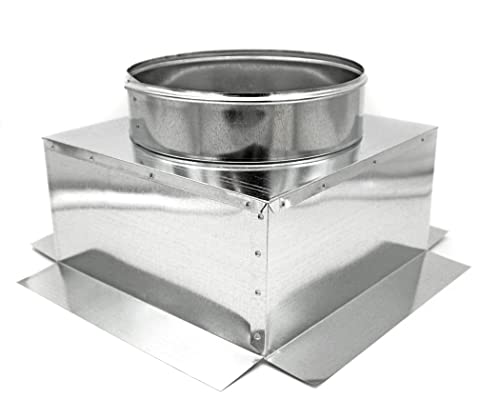
A plenum in HVAC is a critical component of your home's air distribution system. It is essentially a distribution box or chamber that connects the air handler (or furnace) to the network of ductwork running throughout your home. Think of it as the central hub where conditioned air either begins its journey to your rooms or returns to be reconditioned.
The term "plenum" comes from the Latin word "plenus," meaning "full." In HVAC terminology, a plenum is a space that is full of air under slight pressure. This pressure differential is what drives air through the duct system. Without a properly designed plenum, your HVAC system would struggle to distribute air efficiently, leading to uneven heating or cooling, increased energy consumption, and potential system strain.
Plenums are typically located directly above or beside the indoor air handler unit. In a typical residential setup, you'll find two plenums: one on the supply side (pushing conditioned air out) and one on the return side (pulling air back in). These components work together to maintain balanced airflow throughout your home.
A plenum is not just a simple box—it is an engineered component that must be correctly sized, sealed, and insulated to ensure your entire HVAC system operates at peak efficiency. Poorly designed plenums are a common cause of airflow problems and energy waste.
How Does a Plenum Work in an HVAC System?
To understand the role of a plenum, it helps to visualize the entire air circulation cycle in your home. Here's how it works:
1. Return Air Collection
Air from your living spaces is drawn through return vents and travels through return ducts to the return plenum. This air is then pulled into the air handler, where it passes through a filter to remove dust and debris.
2. Conditioning Phase
Inside the air handler, the air is either heated by the furnace or cooled by the evaporator coil. The conditioned air is then pushed into the supply plenum by the blower fan.
3. Distribution Through Ductwork
From the supply plenum, conditioned air flows into the main trunk duct and then branches out through smaller ducts to reach individual rooms and spaces throughout your home.
4. Continuous Cycle
The cycle repeats continuously as long as your HVAC system is running. The plenums serve as the critical transition points between the air handler and the duct system, maintaining proper air pressure and flow throughout the process.
Proper plenum design ensures that the transition from the air handler to the ductwork is smooth and unrestricted. A well-designed plenum minimizes turbulence and pressure drop, allowing your blower motor to operate efficiently without working harder than necessary. This is why understanding residential HVAC systems as a whole is important for homeowners.
Types of HVAC Plenums
There are two primary types of plenums in a typical HVAC system: the supply plenum and the return plenum. Each serves a distinct function and has its own design considerations.
Supply Plenum
The supply plenum is connected to the outlet side of the air handler. After air is conditioned (heated or cooled), it enters the supply plenum before being distributed through the supply ductwork. This plenum is typically the larger of the two and is designed to handle pressurized air without excessive turbulence.
Key characteristics of a supply plenum include:
- Located on the "positive pressure" side of the blower
- Usually insulated to prevent condensation when carrying cool air
- Often transitions from a rectangular air handler outlet to round or rectangular duct connections
- May include takeoff collars for multiple duct runs
Return Plenum
The return plenum is connected to the inlet side of the air handler and collects air from the return ducts. This air is then drawn into the system to be filtered, heated, or cooled. Return plenums operate under negative pressure (suction) and must be well-sealed to prevent drawing in unconditioned air from attics, crawlspaces, or basements.
Key characteristics of a return plenum include:
- Located on the "negative pressure" side of the blower
- Must be sealed thoroughly to prevent air infiltration
- Often includes a filter slot or filter grille connection
- May be connected to a single large return duct or multiple smaller returns
Comparison Table: Supply vs. Return Plenum
| Feature | Supply Plenum | Return Plenum |
|---|---|---|
| Position | Outlet side of air handler | Inlet side of air handler |
| Pressure Type | Positive pressure | Negative pressure (suction) |
| Function | Distributes conditioned air to rooms | Collects return air from rooms |
| Typical Size | Larger cross-section | Usually smaller cross-section |
| Insulation Need | High (especially for AC) | Moderate to high |
| Sealing Importance | High | Very High (prevent infiltration) |
Understanding these two types is essential when working with any split system or whole-house air conditioning setup. The plenum design directly impacts how effectively your system conditions and circulates air.
Plenum Materials: What Are HVAC Plenums Made Of?
The material used to construct a plenum affects its durability, insulation properties, and overall performance. Here are the most common materials used in HVAC plenum construction:
Galvanized Sheet Metal
Galvanized steel is the most traditional and widely used material for plenum construction. It offers excellent durability and is resistant to corrosion due to its zinc coating. Sheet metal plenums are fabricated in HVAC shops and can be custom-sized to fit virtually any installation. However, they require separate insulation to prevent condensation and energy loss.
Best for: Long-term installations where durability and precise fabrication are priorities. Often considered a professional-grade choice for residential HVAC systems.
Fiberglass Duct Board
Fiberglass duct board is a popular alternative to sheet metal. It is made from resin-bonded fiberglass and comes with a foil facing that acts as a vapor barrier. One of its primary advantages is that it provides built-in insulation, eliminating the need for separate insulation work. It is also easier to cut and shape on-site, making it a favorite among contractors.
Best for: Situations where integrated insulation is desired and installation speed matters. A solid mid-range choice for many residential applications.
Flexible Duct Material
While not typically used for the plenum box itself, flexible duct material may be used to create short plenum transitions. This is more common in tight spaces where rigid ductwork is difficult to install.
Best for: Short transitions and tight spaces where flexibility is needed.
For humid climates or installations in unconditioned spaces, fiberglass duct board plenums with sealed foil facings often provide better moisture control than uninsulated sheet metal. Conversely, sheet metal plenums offer superior structural integrity and are less prone to damage during servicing.
Plenum Sizing and Design Considerations
Proper sizing of your plenum is essential for optimal airflow and system efficiency. An undersized plenum restricts airflow, forcing your blower motor to work harder and potentially leading to premature failure. An oversized plenum, on the other hand, can cause air velocity to drop too low, leading to poor distribution and potential stratification.
The Role of CFM in Plenum Sizing
Plenum sizing is primarily based on the airflow capacity of your HVAC system, measured in CFM (cubic feet per minute). A typical residential system might move anywhere from 800 to 2,000 CFM, depending on its capacity in tons. As a general guideline:
- Supply plenum: Cross-sectional area should maintain a face velocity of approximately 600 to 900 feet per minute.
- Return plenum: Cross-sectional area should maintain a face velocity of approximately 500 to 700 feet per minute.
These velocity ranges help minimize pressure drop and turbulence while ensuring adequate air distribution. When you are sizing an air conditioner, the plenum design must be matched to the system's airflow requirements.
Transition Design
A properly designed plenum should include a gradual transition from the air handler outlet to the duct connections. Abrupt transitions cause turbulence and pressure loss. The ideal transition angle is typically no more than 45 degrees to maintain smooth airflow. When working with insulated air conditioning ducting, the plenum transition should also be insulated to prevent thermal bridging.
Takeoff Placement
For supply plenums serving multiple ducts, the placement of takeoff collars (the points where ducts connect to the plenum) should be carefully planned. Ideally, takeoffs should be spaced evenly and positioned to minimize turbulence. Avoid placing takeoffs directly opposite each other, as this can cause air streams to collide and reduce efficiency.
For those interested in optimizing their entire duct system, exploring air duct fans can be a helpful complement to proper plenum design.
Insulation Requirements for HVAC Plenums
Insulation is a critical but often overlooked aspect of plenum design. Properly insulated plenums help maintain the temperature of conditioned air, prevent condensation, and improve overall energy efficiency.
Why Insulate a Plenum?
- Prevent condensation: Cold air in a supply plenum can cause moisture in the surrounding air to condense on the plenum's exterior, leading to water damage and mold growth.
- Maintain air temperature: Uninsulated plenums in unconditioned spaces (like attics or crawlspaces) can lose or gain significant heat, reducing system efficiency.
- Improve energy efficiency: Insulation helps your HVAC system deliver air at the intended temperature, reducing energy waste and potentially lowering utility bills.
- Prevent sweating ducts: Insulated plenums and ducts are less likely to "sweat" (form condensation) in humid climates.
Insulation Options
For sheet metal plenums, external insulation is typically applied after fabrication. Common options include fiberglass blanket insulation with a foil vapor barrier, or foil-faced bubble wrap insulation for easier installation. The insulation should have a minimum R-value of R-6 to R-8 for supply plenums in unconditioned spaces.
For fiberglass duct board plenums, the board itself provides insulation, typically with an R-value of R-4.3 to R-8 depending on thickness. The foil facing serves as the vapor barrier, and all joints should be sealed with approved tape or mastic.
When installing insulation on a plenum, ensure all seams and joints are sealed with a proper vapor barrier. Any gaps in the vapor barrier can allow moisture to enter the insulation, reducing its effectiveness and potentially leading to mold growth. This is especially important in humid climates and when dealing with central air conditioner leaking water inside issues.
Installation Best Practices for HVAC Plenums
Proper installation is essential for plenum performance and longevity. Whether you are replacing an existing plenum or installing one as part of a new system, following best practices ensures optimal airflow and efficiency.
Sealing the Plenum
One of the most critical installation steps is sealing all joints, seams, and connections. Leaky plenums can lose a significant percentage of conditioned air, wasting energy and reducing comfort. Use UL-181 rated mastic or foil tape to seal all joints. Pay particular attention to:
- The connection between the plenum and the air handler
- All seams in the plenum construction
- Duct takeoff connections
- Filter access doors or slots
Sealing is especially important for return plenums, which operate under negative pressure and can draw in unfiltered air from unconditioned spaces if leaks are present. This is a common issue when there is water in attic air conditioner installations or when systems are located in crawlspaces.
Support and Secure Mounting
Plenums must be properly supported to prevent sagging or separation from the air handler. Use appropriate hangers, brackets, or support straps according to local building codes. The plenum should be securely attached to the air handler with screws and sealed with mastic to prevent air leaks.
Proper Transition Fittings
When connecting round ducts to a rectangular plenum, use proper transition fittings rather than simply cutting a hole and inserting the duct. Transition fittings help maintain smooth airflow and reduce turbulence. These fittings should also be sealed to prevent leaks.
Access for Maintenance
Design the plenum installation to allow access for future maintenance. If the plenum houses a filter or contains components that may need servicing, ensure there is adequate access. This is particularly important for return plenums, where the filter is often located.
For those considering professional installation, it's wise to ask the right questions before hiring an installer, and to work with licensed HVAC professionals who understand proper plenum fabrication and installation techniques.
Common Plenum Problems and How to Identify Them
Plenums are subject to several common issues that can affect HVAC performance. Recognizing these problems early can prevent more serious system damage and help maintain energy efficiency.
1. Air Leaks
Leaky plenums are one of the most common issues. Leaks in the supply plenum waste conditioned air, while leaks in the return plenum can draw in unfiltered air. Signs of plenum leaks include:
- High energy bills without apparent cause
- Uneven heating or cooling
- Dust accumulation near the air handler
- Whistling or hissing sounds near the HVAC unit
2. Condensation and Moisture
Uninsulated or poorly insulated supply plenums can develop condensation, especially in humid climates. Over time, this moisture can lead to rust, mold growth, and water damage. If you notice water stains or rust on your plenum, it may be a sign of inadequate insulation or sealing.
3. Insulation Deterioration
Over time, insulation on or inside plenums can degrade, come loose, or become moisture-laden. Damaged insulation reduces the plenum's effectiveness and should be repaired or replaced. If you notice insulation hanging loose or see visible moisture in the insulation, it's time to address the issue.
4. Undersized Plenum
An undersized plenum restricts airflow, causing the blower motor to work harder. This can lead to reduced airflow throughout the home, increased energy consumption, and premature blower motor failure. Symptoms include weak airflow from vents and a system that seems to struggle to maintain comfortable temperatures.
5. Plenum Separation
In some cases, the plenum can separate from the air handler or ductwork due to poor installation, vibration, or deterioration. This creates significant air leaks and must be addressed promptly. If you notice a gap between the plenum and air handler, or if the plenum feels loose, contact a professional.
If you notice musty odors coming from your vents, visible mold on or near the plenum, or unexplained increases in energy bills, have your plenum inspected by a qualified technician. These can be signs of serious problems that could affect indoor air quality and system efficiency. Explore maintenance of HVAC system resources to stay on top of these issues.
Maintenance Tips for HVAC Plenums
Regular maintenance helps ensure your plenums continue to perform efficiently and last for the life of your HVAC system. Here are some practical tips:
Annual Inspection
Include a visual inspection of your plenums in your annual HVAC maintenance routine. Look for signs of leaks, condensation, insulation damage, or separation. If you notice any issues, address them promptly. This is especially important if your system is located in an attic or crawlspace where temperature extremes and humidity can accelerate wear.
Seal Leaks Promptly
If you discover air leaks in your plenum, seal them immediately with mastic or foil tape. Small leaks can become larger over time, and even minor leaks can waste significant energy over the course of a year. When it comes to tips & maintenance, prompt attention to small issues prevents bigger problems.
Check Insulation
Periodically check the insulation on and inside your plenums. Look for signs of moisture, sagging, or deterioration. If the insulation is damaged or wet, replace it. Wet insulation loses much of its insulating value and can become a breeding ground for mold.
Keep the Area Clean
Ensure the area around your plenums is clean and free of debris. Dust and dirt can accumulate on the exterior of plenums and insulation, and if there are any small leaks, debris can be drawn into the system. Keeping the area clean also makes it easier to spot potential problems during inspections.
Schedule Professional Maintenance
While some maintenance tasks are suitable for DIYers, a professional HVAC technician can thoroughly inspect your plenums and identify issues that may not be obvious. Regular professional maintenance also helps extend the life of your entire HVAC system. Consider finding local HVAC services or getting HVAC quotes for professional inspections and maintenance.
Ensure Your HVAC System Performs at Its Best
Proper plenum design and installation are essential for efficient air distribution. Whether you're installing a new system or maintaining an existing one, understanding these components helps you make informed decisions about your home's comfort.
For professional assistance with your HVAC system, connect with qualified technicians who can assess your ductwork and plenum installation.
Explore our recommendations →Frequently Asked Questions About Plenum in HVAC
A plenum in HVAC is a distribution box that connects the air handler or furnace to the ductwork. It serves as a central chamber that receives conditioned air from the HVAC unit and distributes it throughout the duct system (supply plenum), or collects return air to be reconditioned (return plenum). The plenum helps ensure smooth, efficient airflow from the HVAC equipment into the ducts.
A supply plenum is connected to the outlet side of the air handler and distributes conditioned air into the supply ducts. It operates under positive pressure. A return plenum is connected to the inlet side and collects return air from the rooms to bring it back to the HVAC unit for reconditioning. It operates under negative pressure (suction). Both are essential for a balanced air distribution system.
Plenum sizing depends on the airflow requirements of your HVAC system, measured in CFM (cubic feet per minute). As a general guideline, the supply plenum should maintain a face velocity of 600 to 900 feet per minute, while the return plenum should maintain 500 to 700 feet per minute. Proper sizing prevents excessive pressure drop and ensures efficient airflow. A qualified HVAC technician can calculate the correct plenum size for your specific system.
Yes, plenums should be insulated to prevent energy loss and condensation. Supply plenums carrying cold air should be insulated to prevent condensation and maintain efficiency. Return plenums in unconditioned spaces (like attics or crawlspaces) also benefit from insulation to prevent heat gain and moisture issues. The recommended insulation R-value for plenums in unconditioned spaces is typically R-6 to R-8.
HVAC plenums are typically made from galvanized sheet metal, fiberglass duct board, or sometimes flexible duct material. Sheet metal plenums are durable and long-lasting but require separate insulation. Fiberglass duct board plenums offer built-in insulation and are easier to fabricate on-site. The choice of material depends on factors such as climate, installation location, and budget considerations for your HVAC project.
Signs of a plenum leak include: high energy bills without an apparent cause, uneven heating or cooling throughout your home, dust accumulation near the air handler, whistling or hissing sounds near the HVAC unit, and visible gaps or separation between the plenum and air handler. If you suspect a leak, have it inspected by a qualified technician who can seal it properly.
While some experienced DIYers may be able to replace a plenum, it is generally recommended to hire a qualified HVAC professional. Proper plenum sizing, fabrication, sealing, and insulation are critical for system performance. An incorrectly installed plenum can cause airflow problems, energy waste, and even system damage. Professional installation ensures the job is done correctly and safely.
The lifespan of an HVAC plenum depends on the material and installation quality. Galvanized sheet metal plenums can last 20 to 30 years or more if properly maintained and protected from moisture. Fiberglass duct board plenums typically last 15 to 25 years. Factors that can shorten lifespan include moisture exposure, poor sealing, and physical damage. Regular inspections help identify issues early.
Related HVAC Resources
Expand your knowledge of HVAC systems with these related guides:
- HVAC Pump Guide — Understanding pumps in HVAC systems
- Return Vents Explained — How return air systems work
- Insulated Air Conditioning Ducting — Duct insulation best practices
- AC Furnace Dripping Water — Troubleshooting moisture issues
- Maintenance of HVAC System — Complete maintenance guide
- HVAC Tax Credits & Rebates — Available incentives
- Most Efficient Home Air Conditioning System — Efficiency guide
- Variable Speed AC — Advanced compressor technology